
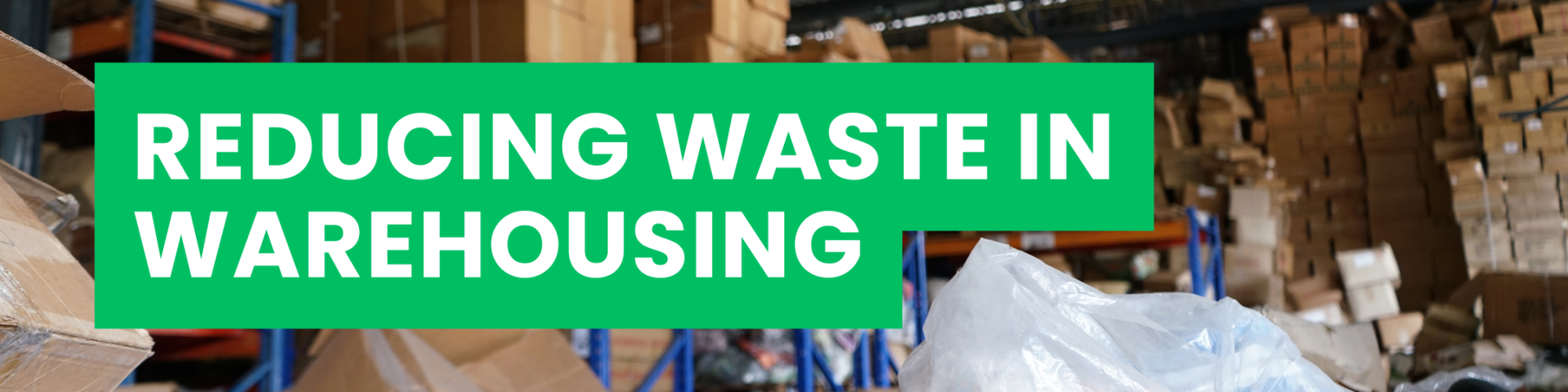
In today’s global supply chain environment, warehousing is no longer just a storage function—it is a critical operational hub that directly impacts cost efficiency, sustainability, and customer satisfaction. As international trade grows more complex and competitive, reducing waste in warehousing has become a strategic priority for businesses seeking to optimize performance while meeting environmental expectations.
At ASL Logistics, waste reduction is not treated as a side initiative—it is embedded into the core of warehouse design, operations, and continuous improvement strategies. This article explores how organizations can minimize waste in warehousing while strengthening operational efficiency and building a more sustainable supply chain.
Understanding Waste in Warehousing
Waste in warehousing extends far beyond excess packaging or discarded materials. It includes any activity, resource, or process that does not add value to the end customer.
Common forms of warehouse waste include:
- Excess inventory leading to storage inefficiencies and obsolescence
- Unnecessary movement of goods and personnel
- Over-processing due to redundant handling or documentation
- Waiting time caused by poor coordination
- Damage and defects resulting in returns or rework
- Energy waste from inefficient lighting, HVAC, and equipment
- Packaging waste from single-use or excessive materials
Reducing these inefficiencies requires a structured approach that combines operational discipline, technology, and strategic planning.
Why Waste Reduction Matters
Reducing warehouse waste delivers measurable business benefits:
1. Cost Optimization
Eliminating inefficiencies reduces labor, storage, energy, and material costs.
2. Improved Operational Speed
Streamlined workflows reduce delays, improving order fulfillment and delivery timelines.
3. Sustainability Compliance
Governments and customers increasingly expect environmentally responsible operations.
4. Enhanced Customer Satisfaction
Fewer errors, faster processing, and better product handling improve the overall customer experience.
5. Competitive Advantage
Efficient, sustainable warehousing strengthens brand positioning in global markets.
Key Strategies to Reduce Waste in Warehousing
1. Implement Lean Warehousing Principles
Lean methodology focuses on identifying and eliminating non-value-added activities.
Core lean practices include:
- Value stream mapping to identify inefficiencies
- 5S methodology (Sort, Set in order, Shine, Standardize, Sustain)
- Continuous improvement (Kaizen) culture
- Standardized processes for consistency
By adopting lean principles, warehouses can significantly reduce time, effort, and material waste.
2. Optimize Warehouse Layout and Design
Poor layout is a major source of inefficiency and waste.
Effective layout strategies include:
- Slotting optimization to place high-demand items closer to dispatch areas
- Minimizing travel distance for workers and equipment
- Dedicated zones for receiving, picking, packing, and shipping
- Clear pathways to avoid congestion
A well-designed warehouse reduces unnecessary movement, improves productivity, and lowers operational costs.
3. Leverage Warehouse Management Systems (WMS)
Technology plays a critical role in waste reduction.
A robust WMS enables:
- Real-time inventory tracking
- Automated picking routes
- Accurate demand forecasting
- Reduced manual errors
- Improved inventory visibility
By digitizing operations, businesses can minimize overstocking, stockouts, and process inefficiencies.
4. Improve Inventory Management
Excess or poorly managed inventory is one of the largest sources of waste.
Best practices include:
- Just-in-Time (JIT) inventory to reduce holding costs
- ABC analysis to prioritize high-value items
- Cycle counting for inventory accuracy
- Demand forecasting using data analytics
Efficient inventory control ensures optimal stock levels while reducing storage waste and product obsolescence.
5. Reduce Packaging Waste
Packaging is essential—but excessive or inefficient packaging creates both cost and environmental waste.
Strategies to optimize packaging include:
- Using right-sized packaging
- Transitioning to recyclable or biodegradable materials
- Implementing returnable packaging systems
- Reducing unnecessary fillers and plastics
Smart packaging solutions lower material costs while aligning with sustainability goals.
6. Enhance Workforce Efficiency
Human resource inefficiencies contribute significantly to operational waste.
Key approaches include:
- Structured training programs
- Standard operating procedures (SOPs)
- Performance monitoring and KPIs
- Ergonomic workspace design
An efficient workforce minimizes errors, reduces rework, and improves throughput.
7. Automate Repetitive Processes
Automation reduces manual errors and increases efficiency.
Common automation solutions include:
- Conveyor systems
- Automated storage and retrieval systems (AS/RS)
- Barcode and RFID scanning
- Robotics for picking and sorting
Automation not only reduces waste but also improves scalability and consistency.
8. Minimize Energy Consumption
Energy waste is often overlooked but can significantly impact operational costs.
Energy-efficient practices include:
- LED lighting systems
- Motion sensors and smart controls
- Energy-efficient HVAC systems
- Solar energy integration
- Equipment maintenance to prevent inefficiencies
Reducing energy consumption lowers costs and supports environmental sustainability.
9. Reduce Product Damage and Returns
Damaged goods lead to financial losses and operational inefficiencies.
Preventive measures include:
- Proper storage techniques
- Secure packaging methods
- Staff training in handling procedures
- Quality control checkpoints
Reducing damage not only saves costs but also improves customer trust and brand reputation.
10. Implement Data-Driven Decision Making
Data is a powerful tool in identifying inefficiencies and optimizing operations.
Key metrics to track include:
- Inventory turnover ratio
- Order accuracy rate
- Picking efficiency
- Warehouse utilization rate
- Return and damage rates
Analyzing these metrics helps businesses continuously refine their warehousing strategies.
Sustainability in Warehousing
Sustainability is no longer optional—it is a business requirement.
Waste reduction contributes to:
- Lower carbon emissions
- Reduced landfill impact
- Compliance with global environmental regulations
- Improved corporate social responsibility (CSR)
Forward-thinking organizations integrate sustainability into every aspect of warehouse operations, from energy usage to material handling.
Challenges in Reducing Warehouse Waste
Despite its benefits, waste reduction comes with challenges:
- Initial investment in technology and infrastructure
- Resistance to operational change
- Complexity in global supply chains
- Data integration issues across systems
Overcoming these challenges requires strategic planning, leadership commitment, and the right logistics partner.
The Role of a Global Logistics Partner
Reducing warehouse waste is not a one-time initiative—it is an ongoing process that requires expertise, technology, and global coordination.
A trusted partner like ASL Logistics brings:
- Global warehousing expertise
- Advanced technology integration
- Optimized supply chain design
- Compliance with international standards
- Customized solutions for diverse industries
By partnering with experienced logistics providers, businesses can accelerate waste reduction while maintaining operational excellence.
Future Trends in Waste Reduction
The future of warehousing is driven by innovation and sustainability.
Emerging trends include:
1. AI and Predictive Analytics
Artificial intelligence enables better demand forecasting and inventory optimization.
2. Smart Warehouses
IoT-enabled systems provide real-time data for improved decision-making.
3. Circular Supply Chains
Reusing materials and packaging to minimize waste.
4. Green Warehousing
Facilities designed with sustainability at their core, including renewable energy use.
5. Robotics and Automation Expansion
Advanced robotics reduce errors and improve efficiency.
Businesses that embrace these trends will be better positioned to compete in the evolving global logistics landscape.
Practical Steps to Get Started
Organizations looking to reduce waste in warehousing can begin with these actionable steps:
- Conduct a warehouse audit to identify inefficiencies
- Implement lean practices across operations
- Invest in technology solutions like WMS
- Optimize inventory and packaging strategies
- Train teams for efficiency and accountability
- Monitor performance using data-driven KPIs
- Partner with a global logistics expert
Consistency and continuous improvement are key to long-term success.
Conclusion
Reducing waste in warehousing is not just about cutting costs—it is about building a smarter, more resilient, and sustainable supply chain. As global trade continues to evolve, businesses must adapt by optimizing their warehouse operations and eliminating inefficiencies at every level.
From lean methodologies and advanced technology to sustainable practices and workforce optimization, every improvement contributes to stronger operational performance and long-term growth.
With deep expertise in international logistics, freight forwarding, customs brokerage, and supply chain optimization, ASL Logistics is uniquely positioned to help businesses transform their warehousing operations.
If you are looking to reduce waste, improve efficiency, and strengthen your global supply chain, connect with ASL Logistics today to explore customized, scalable logistics solutions tailored to your business needs.