
Choosing between 3PL and 4PL can define your supply chain success. Learn how ASL IOR bridges logistics and compliance to help global businesses achieve speed, control, and cost-efficiency. Understanding the Logistics Landscape in 2025 The global logistics industry in 2025 is more complex than ever. Supply chains now stretch across continents, spanning dozens of regulatory jurisdictions, with real-time data flows and automation reshaping every step. Businesses are under growing pressure to deliver faster, cheaper, and with complete visibility — yet the risks have never been higher. From geopolitical instability to fluctuating trade policies, logistics management has evolved from a back-end function into a strategic pillar of competitive advantage. As companies expand globally, many face a fundamental decision: Should we rely on a Third-Party Logistics (3PL) provider, or step up to a Fourth-Party Logistics (4PL) model? The answer depends on your operational maturity, risk appetite, and how much control you want over your supply chain. What Is a 3PL (Third-Party Logistics) Provider? A 3PL is a logistics partner that handles a company’s transportation, warehousing, and distribution operations. These providers specialize in physical execution — moving goods efficiently and reliably. Key Features and Capabilities of 3PLs 3PLs act as an extension of your logistics team, focusing on operational excellence rather than strategic orchestration. Pros and Cons of Using a 3PL Pros Cons Cost savings from logistics outsourcing Limited visibility over end-to-end supply chain Flexible capacity and scalability Limited control over strategy and execution Access to logistics expertise Integration complexity with multiple partners Reduced operational burden Fragmented data and slower problem resolution A 3PL is ideal for companies that need execution partners — not full supply chain orchestration. What Is a 4PL (Fourth-Party Logistics) Provider? A 4PL takes logistics outsourcing a step further. Rather than simply executing, a 4PL manages and optimizes your entire supply chain ecosystem, including multiple 3PLs, technology providers, and carriers. How 4PLs Differ from 3PLs The 4PL acts as your single point of contact, offering complete supply chain visibility, data-driven optimization, and end-to-end coordination. Advantages and Disadvantages of 4PL Solutions Advantages Disadvantages End-to-end visibility and control Higher setup cost Strategic optimization and governance Less direct control over individual partners Improved scalability and risk mitigation Complex onboarding and data integration Enhanced performance tracking May require long-term contractual commitments A 4PL is a natural evolution for companies managing global, multi-layered supply chains that demand agility, compliance, and visibility. Comparing 3PL vs 4PL – The Core Differences Feature 3PL 4PL Focus Execution Strategy & orchestration Scope Logistics operations Full supply chain ecosystem Ownership Outsourced operations Managed services model Visibility Partial Full end-to-end Technology Integration Limited Centralized platform Control Level Tactical Strategic Ideal for SMBs and single-country ops Global, complex supply chains Where ASL’s IOR Services Fit Into the 3PL/4PL Spectrum ASL operates at the intersection of logistics and compliance — bridging the tactical and strategic advantages of both 3PL and 4PL models through its Importer of Record (IOR) services. ASL as a Strategic 4PL Partner ASL’s 4PL services go beyond freight movement. They deliver: By combining logistics management with regulatory compliance, ASL functions as a 4PL with compliance at its core. IOR as the Bridge Between 3PL and 4PL Efficiency Many 3PLs are experts in logistics, but struggle with international trade compliance.That’s where ASL’s IOR solution transforms operations by: The result: You get the efficiency of a 3PL with the strategic control of a 4PL — all under one roof. Case Example – Transitioning from 3PL to 4PL with ASL’s IOR Support Scenario:A global tech firm relied on multiple 3PLs to manage shipments to 20+ countries. But inconsistent customs processes and regulatory delays caused downtime at local data centers. Challenge: Solution:ASL implemented its 4PL orchestration layer and IOR services, becoming the single point of import compliance. Outcome: This transition not only improved efficiency but also de-risked the client’s global expansion. Key Factors to Consider Before Making the Switch Before deciding between 3PL and 4PL, evaluate: ASL offers hybrid solutions, enabling you to scale from 3PL to 4PL seamlessly as your business grows. When a Hybrid 3PL–4PL Model Makes Sense Some companies combine the best of both worlds: This model works best for businesses that want to retain some operational control while enjoying the strategic visibility and compliance protection of a 4PL. Common Myths About 3PL vs 4PL FAQs: 3PL vs 4PL in Global Logistics Q1: What’s the main difference between 3PL and 4PL?A 3PL executes logistics operations, while a 4PL manages and optimizes the entire supply chain. Q2: How does ASL’s IOR fit into a 4PL model?ASL acts as both orchestrator and compliance enabler — handling customs, duties, and documentation seamlessly. Q3: Can I use both 3PL and 4PL providers together?Yes. Many companies use ASL as their 4PL coordinator managing multiple 3PL partners globally. Q4: Is switching from 3PL to 4PL difficult?With ASL’s phased implementation and IOR integration, transitions are smooth and low-risk. Q5: Does 4PL make sense for small businesses?Yes — especially for those expanding internationally without in-house compliance teams. Q6: How can I measure the ROI of a 4PL approach?Track lead time reduction, compliance cost savings, and customer satisfaction improvements. Conclusion: Choosing the Right Logistics Model for a Smarter Future In a world where supply chains define brand reliability, choosing between 3PL and 4PL isn’t just about cost — it’s about control, compliance, and confidence. With ASL’s IOR-enabled 4PL solutions, you can simplify customs complexity, fast-track global shipments, and gain total visibility over your logistics ecosystem. Whether you’re scaling globally or optimizing operations, ASL helps you move faster, smarter, and fully compliant — every time.
Offshore Warehousing: Pros, Cons, and Trends
Executive Summary Offshore warehousing—storing inventory outside your home market to serve regional demand—can lower landed costs, speed up delivery, and de-risk customs exposure. But it also introduces new compliance, visibility, and working-capital challenges. In 2025, the calculus is shifting: FTZ/bonded strategies, near/friend-shoring, and AI-enabled WMS are reshaping how global brands design their networks. What Do We Mean by “Offshore Warehousing”? Definition. Offshore warehousing places buffer or cycle stock in a foreign country (or a free-trade/foreign-trade zone) to shorten lead times, postpone duty payments, and support regional delivery SLAs. Two regimes dominate: Offshore vs. Nearshore. Many companies now blend offshore nodes with nearshore hubs (closer to end demand) to hedge geopolitical, tariff, or capacity shocks while keeping cost advantages. Why Offshore Warehousing? (Pros) Where It Bites Back (Cons & Risks) FTZ vs. Bonded Warehouse: A Quick Decision Lens Factor FTZ Bonded Warehouse Duty & Tax Timing Deferred; potential reductions; re-export relief Deferred until domestic release Value-Added Ops Allowed (kitting, assembly, relabeling) Not allowed beyond minimal handling Storage Duration Typically unlimited Often up to 5 years Complexity Higher admin & setup Lower setup; strict storage rules Best For Postponement, multi-country distribution hubs Import-hold-release or re-export staging The 2025 Trendline: What’s Changing Now Building the Business Case: A Practical Model Inputs to quantify: Five-step evaluation: Governance & Compliance: What “Good” Looks Like Technology Stack for Offshore Nodes Selecting a Location: A Shortlist Framework Mini-Scenarios KPIs That Matter Common Pitfalls (and How to Avoid Them) FAQs Q1: When should I choose an FTZ over a bonded warehouse?Choose FTZs if you need postponement activities; bonded if only storage and duty deferral are required. Q2: Can smaller shippers benefit from FTZs?Yes—through 3PL-operated FTZs that share resources. Q3: What systems do I need on day one?A WMS capable of FTZ/bonded handling, with integrations to brokers and carriers. Q4: How do I compare candidate countries?Evaluate infrastructure, customs reliability, costs, and political stability. Q5: Will offshore buffers increase my risk of obsolete stock?Yes, if unmanaged. Use demand sensing and strict exit rules to mitigate. The ASL International Perspective At ASL International (ASL INT), we design fit-for-purpose offshore nodes—ranging from bonded staging areas to FTZ hubs with postponement and automation. Our expertise covers: Actionable Takeaways Call to Action (ASL INT)
E-Commerce Explosion: Warehouse Scalability
Introduction: Why Scalability Defines Modern E-Commerce Logistics The last decade has seen e-commerce transform from a niche channel into the backbone of global retail. Fueled by mobile shopping, digital payments, and consumer demand for instant delivery, online sales have exploded. Global e-commerce sales surpassed $6 trillion in 2024 and are projected to keep rising sharply through 2030. This rapid growth creates tremendous opportunities but also immense pressure on the backbone of fulfillment: warehousing and distribution centers. Traditional warehouse models—built for predictable volumes—struggle to adapt to spikes in demand, seasonal surges, and the “instant gratification” culture shaped by same-day and next-day delivery expectations. For businesses, the key challenge is warehouse scalability: the ability to expand, optimize, and contract operations quickly while maintaining efficiency and controlling costs. This blog explores how companies can scale warehousing to match the e-commerce explosion, the role of technology, and how ASL International empowers global clients to transform scalability into a competitive advantage. The New Reality of E-Commerce Logistics Rising Consumer Expectations Market Pressures Without scalable warehouse systems, companies face missed deadlines, soaring costs, and unhappy customers. What Does Warehouse Scalability Mean? Scalability in warehousing is more than just “adding space.” It combines infrastructure, processes, and technology to flex capacity, labor, and throughput in line with fluctuating e-commerce demand. Core Elements of Scalability: Challenges in Scaling Warehousing for E-Commerce 1. Space Shortages Urban warehouses near key demand centers face rising rents and limited availability. 2. Labor Shortages Warehouses worldwide suffer from high turnover and skill gaps. E-commerce surges amplify this challenge. 3. Technology Gaps Legacy WMS and manual processes cannot keep pace with real-time, omnichannel fulfillment needs. 4. Inventory Complexity Growing SKU diversity increases picking complexity and requires smarter slotting strategies. 5. Cost Management Scaling too fast leads to underutilized assets; scaling too slow leads to service failures. Balancing both is a constant struggle. Strategies for Scalable Warehousing 1. Flexible Infrastructure Models 2. Automation and Robotics 3. Smart Warehouse Management Systems 4. Workforce Flexibility 5. Data-Driven Optimization Case Study: Peak Season Scalability Imagine a global fashion retailer preparing for Singles’ Day in China, the world’s biggest online shopping event. Without scalable warehousing: By adopting scalable strategies: Role of ASL International in Enabling Scalability ASL International specializes in end-to-end logistics and warehousing solutions that empower businesses to meet e-commerce growth head-on. Our Scalable Solutions By partnering with ASL International, businesses gain a logistics partner that not only scales infrastructure but also absorbs complexity, reduces risks, and accelerates growth. The Future of Scalable Warehousing 1. Robotics as a Service (RaaS) On-demand robotic fleets that can be scaled without heavy capital investment. 2. AI-Powered Forecasting Hyper-accurate demand prediction will minimize costly overcapacity or stockouts. 3. Green Scalability Sustainable energy solutions, recyclable packaging, and carbon-neutral operations will be integral to scalable warehousing. 4. Global Expansion Emerging markets like Africa, Southeast Asia, and Latin America will demand scalable warehousing to support skyrocketing e-commerce penetration. Actionable Takeaways Conclusion The e-commerce explosion is not slowing down—it is accelerating. Businesses that fail to scale warehousing risk losing relevance in a hyper-competitive market. Those that embrace scalable infrastructure, automation, and strategic partnerships will thrive. ASL International stands ready to help companies transform warehousing into a growth engine. By combining global reach, local expertise, and cutting-edge technology, we make warehouse scalability not just a response to e-commerce growth—but a driver of long-term competitive advantage. FAQs Q1: Why is warehouse scalability critical for e-commerce?Scalability ensures businesses can handle sudden surges in demand, seasonal peaks, and long-term growth without sacrificing efficiency or customer experience. Q2: What role does automation play in warehouse scalability?Automation reduces dependency on manual labor, boosts accuracy, and speeds up order fulfillment, making it easier to scale operations rapidly. Q3: How can small businesses achieve warehouse scalability?They can partner with 3PLs like ASL International, use shared warehouse models, and adopt cloud-based WMS to scale without massive capital investments. Q4: What is the future of scalable warehousing?Expect increased robotics adoption, AI-powered forecasting, micro-fulfillment centers, and sustainable energy solutions. Q5: How does ASL International support warehouse scalability?ASL offers a global warehouse network, advanced WMS, surge handling, value-added services, and full trade compliance support through IOR/EOR services.
Geo-Tracking: Enhancing Fleet Transparency
Introduction: Why Transparency Matters in Fleet Management In today’s fast-paced global economy, businesses depend heavily on efficient logistics and fleet management. Whether it’s moving telecom equipment to remote regions, ensuring timely delivery of IT hardware, or transporting sensitive goods across borders, the ability to track, monitor, and optimize fleet performance is no longer a luxury—it’s a necessity. Geo-tracking technology has emerged as a cornerstone for fleet transparency, giving logistics companies, Importer of Record (IOR) service providers, and clients unprecedented visibility into operations. For organizations like ASL International, which specialize in complex and sensitive logistics, geo-tracking strengthens accountability, boosts efficiency, and fosters customer confidence. This article explores how geo-tracking works, why it’s transforming fleet transparency, and how companies can leverage it to remain competitive in 2025 and beyond. What Is Geo-Tracking in Fleet Management? Geo-tracking uses GPS (Global Positioning System) and advanced telematics to monitor the real-time location, speed, and condition of fleet vehicles. But in modern logistics, it goes far beyond simply tracking dots on a map. Today’s geo-tracking systems integrate: For ASL International, geo-tracking ensures that every shipment—from IT servers to telecom hardware—is delivered with real-time transparency and compliance with local and international regulations. The Transparency Gap in Fleet Operations Historically, fleet operations faced significant blind spots. Once a truck or container left the port, companies often had limited visibility until it reached its destination. This gap created problems such as: Geo-tracking closes these gaps by providing end-to-end visibility, turning uncertainty into measurable, actionable data. Benefits of Geo-Tracking for Fleet Transparency 1. Real-Time Visibility for Clients Clients increasingly demand transparency. With geo-tracking, ASL International can provide real-time shipment updates—allowing clients to track their telecom equipment, data center hardware, or IT devices with precision. This visibility strengthens trust and creates a competitive advantage. 2. Enhanced Security and Loss Prevention High-value IT equipment often attracts risks during transportation. Geo-tracking enables: This not only safeguards assets but also provides clients with assurance that their investments are secure. 3. Compliance and Regulatory Assurance For international logistics, compliance is paramount. Geo-tracking helps demonstrate adherence to: By providing digital logs and verifiable records, geo-tracking reduces regulatory risks and ensures smoother customs clearance. 4. Operational Efficiency Fleet managers gain critical insights into: This directly lowers costs and improves fleet utilization rates. 5. Customer Confidence and Brand Reputation Transparency drives loyalty. When clients know where their shipment is, how it is being handled, and when it will arrive, they feel confident partnering with a logistics provider like ASL International. In competitive markets, this trust is invaluable. How Geo-Tracking Works in Practice at ASL International Case Example 1: Telecom Hardware to Remote Regions A telecom company needed to deploy network towers in remote parts of Africa. Using geo-tracking, ASL International: The result: on-time delivery, zero cargo loss, and enhanced client trust. Case Example 2: Data Center Equipment Across Borders When shipping high-value servers from the EU to the Middle East, geo-tracking enabled: This transparency ensured faster customs clearance and avoided compliance-related delays. Technology Behind Modern Geo-Tracking ASL International leverages these technologies to create a transparent, secure, and efficient logistics ecosystem. The Business Impact of Geo-Tracking Reduced Costs Optimized routing, fuel management, and preventive maintenance reduce overheads. Faster Deliveries Dynamic rerouting based on traffic or weather ensures timely arrivals. Improved Compliance Digital logs simplify audits and customs inspections. Competitive Differentiation Companies offering full fleet transparency attract more long-term contracts in IT and telecom industries. Challenges in Implementing Geo-Tracking While powerful, geo-tracking isn’t without challenges: ASL International addresses these by: Future of Geo-Tracking in Fleet Transparency For companies like ASL International, investing in geo-tracking today prepares them for a data-driven, transparent, and fully automated logistics future. Best Practices for Businesses Adopting Geo-Tracking Conclusion: Transparency Is the New Standard Fleet transparency is no longer optional—it’s a customer expectation and a regulatory necessity. Geo-tracking enables logistics providers to deliver not just goods, but also trust, accountability, and efficiency. For ASL International, geo-tracking is part of a broader strategy to transform logistics into a transparent, secure, and client-centered service. By leveraging advanced technology and data-driven insights, ASL ensures that every shipment is visible, compliant, and optimized from origin to destination. In a world where supply chains are becoming more complex, geo-tracking ensures one simple promise: you’ll always know where your cargo is, and you’ll always know it’s in safe hands. Looking to enhance transparency and efficiency in your global shipments? Partner with ASL International for fleet management solutions powered by geo-tracking and advanced logistics technology. 📩 Contact us today to explore how we can make your fleet operations more transparent, secure, and efficient.🌍 ASL International – Driving Transparency in Global Logistics.

Supply Chain Education: What Clients Should Know
Introduction: Why Supply Chain Education Matters In today’s interconnected world, supply chains have become the backbone of global business operations. Whether a company imports IT hardware, distributes consumer goods, or manages logistics for telecom networks, its success hinges on an efficient and transparent supply chain. Yet many clients, particularly in industries like technology, data centers, and telecommunications, underestimate how much knowledge they need to make informed decisions. Supply chain education bridges this gap. It equips clients with the insights to understand risks, optimize costs, ensure compliance, and foster long-term partnerships. For companies working with providers like ASL International, an educated client is not only empowered but also a more effective collaborator. This article explores what clients should know about supply chain education, breaking down critical areas of logistics, compliance, risk management, and technology. The Foundation: Understanding Supply Chain Basics 1. Key Components of a Supply Chain Clients should familiarize themselves with the essential building blocks: 2. The Client’s Role Education helps clients recognize that they are not passive recipients of logistics services. Their responsibilities include: The Value of Compliance Knowledge 1. Regulatory Awareness Global trade is governed by an evolving web of regulations: 2. Avoiding Penalties Ignorance of regulations can result in: 3. How ASL International Supports Compliance Supply Chain Risk Education 1. Common Risks Clients should understand these categories: 2. Mitigation Through Education Educated clients ask better questions: 3. Case Example During the pandemic, many IT companies faced delays due to chip shortages. Clients who understood supply chain risk planning diversified sourcing early, cushioning their operations. The Digital Era: Technology in Supply Chain Education 1. Visibility Tools Clients should know how platforms like IoT tracking, digital twins, and blockchain enhance supply chain visibility. 2. Data-Driven Decision Making Educated clients learn to: 3. Cloud-Based Documentation Digital education includes understanding: Cost Awareness: Understanding Total Landed Cost 1. Beyond Freight Rates Clients often focus only on freight quotes. Education ensures they account for: 2. Negotiating Smarter An informed client can: Sustainability in Supply Chain Education 1. Green Logistics Basics Clients should understand: 2. Why It Matters for Clients Building Strong Client-Provider Relationships 1. Transparency and Communication An educated client: 2. Collaboration with ASL International When clients know the basics, ASL International can focus on advanced optimization instead of basic explanations. This accelerates supply chain efficiency. Practical Steps: How Clients Can Educate Themselves FAQs: Supply Chain Education 1. Why should clients learn about supply chains if they hire providers?Because informed clients can make better decisions, reduce risks, and collaborate more effectively. 2. What’s the most important concept for beginners?Understanding Incoterms—they define who pays for what, and where risks transfer. 3. How does supply chain education save money?It prevents hidden costs, improves supplier negotiations, and reduces penalties from compliance mistakes. 4. Is supply chain education only for large corporations?No. SMEs benefit equally, especially when scaling into international markets. 5. How does ASL International support client education?Through transparent communication, compliance guidance, and digital visibility tools. Conclusion: Knowledge Is the Strongest Link A resilient supply chain doesn’t rely on logistics providers alone. It thrives when clients themselves are educated, proactive, and engaged. By understanding compliance, risk, technology, costs, and sustainability, clients become empowered partners rather than passive observers. At ASL International, we believe that supply chain education is not optional—it’s essential. Together, we build stronger, more transparent, and future-ready supply chains. Call to Action Looking to strengthen your supply chain knowledge while working with a global leader? ASL International is here to guide you. From compliance training to real-time visibility, we ensure that our clients are informed, empowered, and prepared for the future of logistics. 👉 Connect with ASL International today and transform your supply chain knowledge into a competitive advantage.

AI for Load Safety: Preventing Truck Incidents
Introduction The trucking industry remains the backbone of global supply chains, ensuring the movement of raw materials, manufactured goods, and essential commodities across borders. Yet, one of the most persistent challenges faced by logistics providers is load safety. Unsecured cargo, weight imbalance, and human error contribute significantly to truck-related accidents, resulting in lost goods, injuries, and reputational damage. In 2025, the emergence of Artificial Intelligence (AI) is transforming how logistics companies approach load safety. By combining real-time monitoring, predictive analytics, and automation, AI-driven systems can drastically reduce risks, prevent incidents, and enhance compliance. For ASL International, embracing these technologies is not just about operational efficiency—it’s about building trust, resilience, and sustainability in global logistics. The Scale of the Problem: Truck Incidents and Load Safety Traditional load-checking methods—manual inspections and driver responsibility—are no longer enough. AI offers a systematic, data-driven approach to tackle these risks before they escalate. How AI is Transforming Load Safety 1. Smart Load Distribution Systems AI-powered load planning software analyzes cargo dimensions, weight, and fragility. It then creates optimal stacking and placement plans, ensuring balanced weight distribution across axles. 2. Computer Vision for Real-Time Monitoring Using cameras and sensors, AI systems can detect whether cargo is properly strapped, shrink-wrapped, or palletized. 3. Predictive Maintenance of Restraint Systems AI monitors the wear and tear of straps, locks, and load bars using IoT-enabled devices. 4. Automated Compliance Checks Every market has unique regulations. AI can cross-reference cargo manifests against local load safety requirements in real time, flagging potential compliance breaches. 5. Driver Assistance with AI Alerts In-vehicle AI systems act as a co-pilot, alerting drivers to: Case Study: AI Preventing a Cargo Shift Incident A European logistics company piloted an AI-based load monitoring system on routes carrying sensitive telecom equipment. During a high-speed maneuver, the system detected a minor load shift and alerted the driver immediately. The driver slowed down, preventing damage to high-value servers. Without AI intervention, the company would have faced a $500,000 loss in equipment damage and potential insurance disputes. For ASL International’s clients in telecom, IT, and data centers—where high-value cargo safety is paramount—AI ensures that goods arrive intact and within deployment schedules. Benefits of AI for Load Safety Operational Benefits Financial Benefits Strategic Benefits Challenges in Implementing AI for Load Safety Data Integration AI solutions require high-quality data from sensors, telematics, and ERP systems. Poor data synchronization can limit effectiveness. Cost of Implementation The initial investment in AI-enabled devices, training, and software can be significant. However, long-term ROI often outweighs upfront costs. Workforce Training Drivers, warehouse staff, and managers need to adapt to AI-assisted workflows. Without proper training, adoption rates may remain low. Cybersecurity Risks As AI relies on connected devices, cybersecurity becomes crucial to prevent hacking of load monitoring systems. Future Outlook: AI and Load Safety in 2030 Looking ahead, AI will not just prevent incidents—it will create autonomous load safety ecosystems: Actionable Steps for Companies Today Conclusion In an era where logistics networks are more complex than ever, load safety cannot be left to chance. AI is no longer a futuristic option—it is a present-day necessity. By embedding AI-driven monitoring, predictive maintenance, and compliance automation into trucking operations, logistics providers like ASL International can not only reduce risks but also build resilience, efficiency, and customer trust. For companies transporting sensitive and high-value cargo, AI provides a safeguard against accidents, financial losses, and reputational damage. In the race for safer, smarter logistics, those who adopt AI today will lead the market tomorrow. Meta Description (SEO) Discover how AI is revolutionizing load safety in trucking. Learn how ASL International prevents incidents with AI-driven monitoring, compliance, and predictive systems.
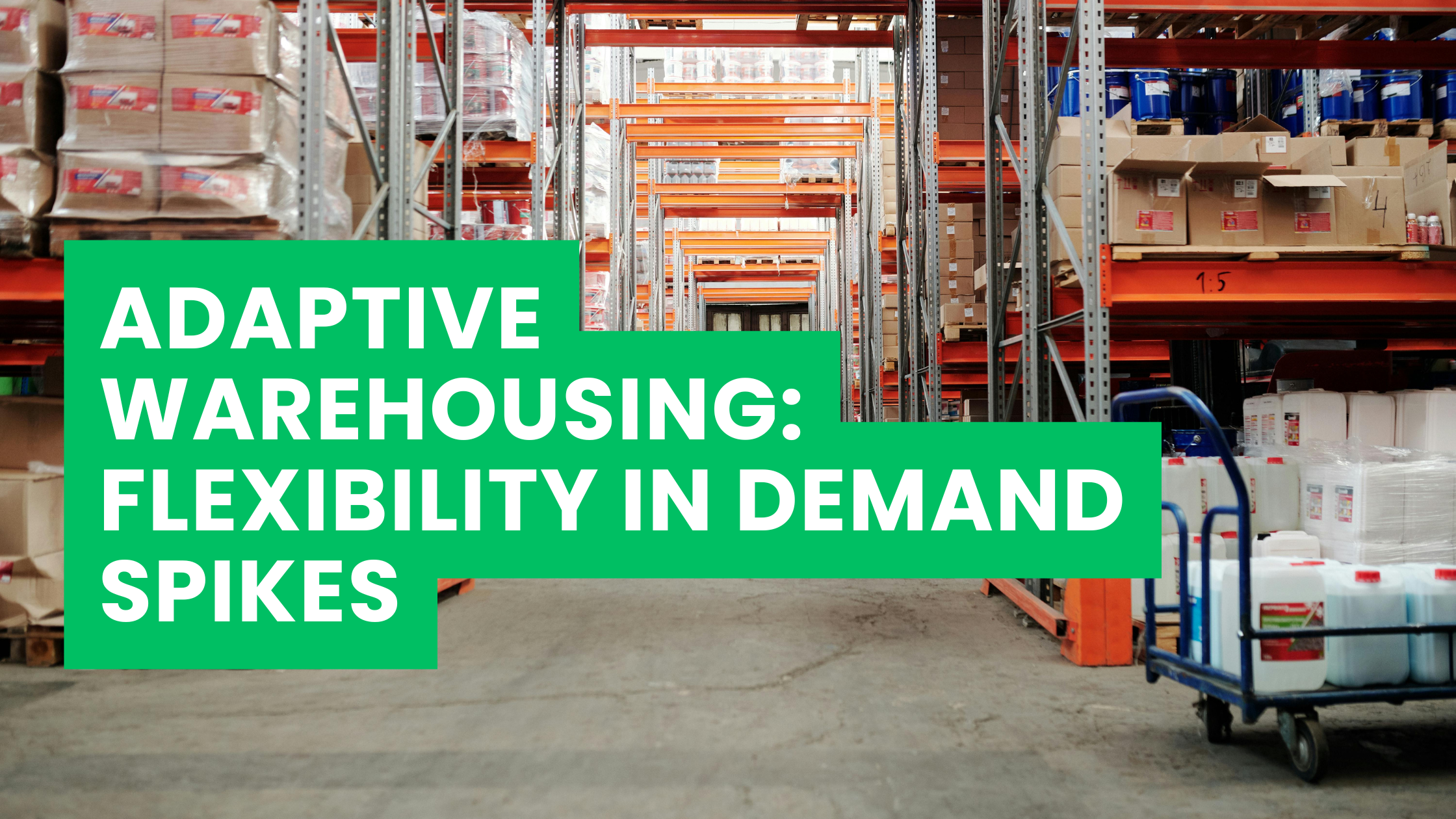
Adaptive Warehousing: Flexibility in Demand Spikes
Introduction Global supply chains have become increasingly unpredictable. From seasonal shopping booms to sudden geopolitical disruptions, businesses face demand fluctuations that can overwhelm traditional warehousing models. For IT, telecom, e-commerce, and logistics players, the ability to adapt quickly to spikes in demand is no longer optional—it’s a competitive necessity. This is where adaptive warehousing steps in. By blending scalable infrastructure, smart technology, and agile operations, adaptive warehousing ensures companies can absorb demand shocks without compromising service levels or profitability. ASL International has witnessed firsthand how businesses leveraging adaptive warehousing strategies stay resilient while others struggle with bottlenecks. This article explores what adaptive warehousing is, why it matters, and how companies can adopt it to thrive in volatile markets. What Is Adaptive Warehousing? Adaptive warehousing is a flexible warehousing model designed to scale operations up or down based on real-time demand. Unlike conventional static warehouses, which lock businesses into rigid space and labor allocations, adaptive warehouses rely on a mix of: The goal is simple: create a resilient storage and distribution ecosystem that can flex during peaks—such as holiday seasons, new product launches, or unexpected supply chain disruptions—and contract during slower periods, minimizing costs. Why Flexibility Matters in Today’s Warehousing Demand Volatility Is the New Normal Retailers face Black Friday-style spikes multiple times a year. Telecom and IT suppliers encounter sudden surges when governments approve infrastructure rollouts. Global events, such as pandemics or geopolitical conflicts, cause demand patterns to shift overnight. Rigid warehousing can’t handle this volatility. Companies risk: The Cost of Inflexibility Traditional warehouses often operate on long leases, fixed staff levels, and outdated manual processes. When demand spikes, companies scramble for extra space or staff, often at premium prices. Conversely, in downturns, they pay for unused capacity. Adaptive warehousing eliminates this “one-size-fits-all” trap, enabling cost optimization while safeguarding supply chain resilience. Core Principles of Adaptive Warehousing 1. Scalability Warehousing capacity can expand during high-volume periods and shrink afterward, ensuring businesses only pay for what they use. 2. Agility Adaptive warehouses enable rapid reconfiguration of workflows, storage layouts, and staffing levels. 3. Technology-Driven Intelligence Real-time inventory tracking, demand forecasting, and automated resource allocation allow smarter decision-making. 4. Collaborative Ecosystems Partnerships with 3PLs (third-party logistics providers), shared facilities, and IOR/EOR (Importer/Exporter of Record) services give companies global reach without massive fixed investments. How Adaptive Warehousing Handles Demand Spikes Seasonal Peaks E-commerce sees spikes during holidays. Adaptive warehouses employ on-demand space and temporary workforce scaling to absorb the surge. Product Launches For IT and telecom sectors, when a new server, router, or smartphone enters the market, demand explodes. Adaptive warehousing ensures quick storage reallocation and priority handling, preventing missed sales windows. Emergency Supply Chain Disruptions Political instability, port closures, or sudden regulatory changes often cause supply bottlenecks. Adaptive warehousing provides buffer capacity and flexible rerouting to keep supply chains moving. Technologies Powering Adaptive Warehousing Warehouse Management Systems (WMS) Cloud-based WMS enables real-time monitoring of inventory and labor, allowing dynamic adjustments during spikes. Robotics and Automation Automated Guided Vehicles (AGVs), robotic arms, and drones accelerate picking and packing, reducing reliance on manual labor. IoT Sensors Sensors track inventory levels, temperature, and equipment performance, enabling predictive actions. Artificial Intelligence and Machine Learning AI forecasts demand patterns, optimizing space utilization and workforce allocation before spikes occur. Blockchain For industries requiring compliance and traceability, blockchain ensures transparent, secure, and auditable supply chain records. Adaptive Warehousing Strategies On-Demand Warehousing Leverage a network of flexible facilities instead of relying solely on one fixed warehouse. Cross-Docking Speed up distribution by transferring incoming shipments directly to outbound trucks, minimizing storage needs. Micro-Fulfillment Centers Small, automated hubs near urban centers reduce delivery times during demand spikes. Dynamic Staffing Models Partner with staffing agencies or deploy gig-economy labor platforms for peak season workforce scaling. Integration with IOR/EOR Services For global IT and telecom shipments, integrating warehousing with IOR services ensures seamless compliance, customs clearance, and last-mile delivery, even in volatile markets. Real-World Examples of Adaptive Warehousing Case 1: E-Commerce Giant During Holiday Season An online retailer in Asia leveraged on-demand warehousing and robotics to process 5x normal order volumes during Singles’ Day, while maintaining same-day delivery. Case 2: Telecom Infrastructure Rollout A telecom operator launching 5G across Africa faced unpredictable equipment deliveries. Adaptive warehousing with flexible storage and customs-ready processes allowed them to scale up smoothly, avoiding project delays. Case 3: IT Equipment Import A global tech firm importing servers to emerging markets partnered with ASL International’s adaptive warehousing and IOR support. This ensured fast customs clearance, scalable space, and regulatory compliance, cutting lead times by 30%. Benefits of Adaptive Warehousing Challenges in Implementing Adaptive Warehousing While adaptive warehousing offers immense potential, it comes with hurdles: ASL International helps clients overcome these challenges by combining local expertise, global networks, and compliance knowledge. Future of Adaptive Warehousing AI-First Warehousing Predictive algorithms will autonomously allocate space, staff, and equipment based on real-time signals. Robotics as a Service (RaaS) Businesses will rent robotic automation on a subscription model, making advanced automation affordable. Sustainability Integration Green warehouses with renewable energy, smart lighting, and circular packaging solutions will become standard. Global Adaptive Networks Companies will increasingly rely on integrated adaptive warehousing and IOR ecosystems, ensuring resilience across continents. Actionable Steps for Businesses Conclusion Adaptive warehousing is no longer a futuristic concept—it’s the backbone of modern supply chain resilience. By embracing scalability, agility, and technology-driven operations, businesses can thrive during demand spikes instead of being crushed by them. For IT, telecom, and e-commerce industries, adaptive warehousing ensures faster go-to-market strategies, seamless compliance, and customer satisfaction.
Cybersecurity in Logistics: Protecting Your Data
Introduction In today’s interconnected world, logistics is no longer just about moving goods from one place to another. Supply chains now rely on complex digital infrastructures that integrate real-time tracking, automated warehousing, IoT devices, and cloud-based platforms. While these innovations bring unprecedented efficiency and visibility, they also expose logistics networks to significant cybersecurity risks. Cybercriminals are targeting the logistics sector with increasing frequency because of the sensitive nature of the data involved—customer information, shipment records, customs documentation, and financial transactions. A single breach can disrupt global operations, damage reputations, and cause severe financial losses. For logistics providers, cybersecurity is no longer optional; it is a cornerstone of operational resilience. At ASL International, we recognize that protecting data in logistics is as critical as protecting the cargo itself. This article explores why cybersecurity in logistics matters, the threats businesses face, and the strategies companies can adopt to protect their data across global supply chains. Why Cybersecurity Matters in Logistics 1. Data as a Core Asset Logistics companies process vast amounts of sensitive data daily, from bills of lading to import/export licenses, and from customer financials to supplier contracts. This information is highly valuable to hackers who can use it for fraud, ransom, or industrial espionage. 2. The Rise of Digital Logistics The digital transformation of supply chains has increased exposure to cyber threats. Cloud platforms, APIs, and IoT devices create multiple entry points that attackers can exploit. Without robust security, every connected system is a potential vulnerability. 3. Regulatory Compliance Global supply chains are subject to strict data protection regulations, including GDPR in Europe and CCPA in California. Non-compliance due to breaches can lead not only to operational disruption but also to hefty fines. Common Cybersecurity Threats in Logistics 1. Ransomware Attacks Hackers infiltrate systems, encrypt data, and demand payment to restore access. In logistics, this can freeze warehouse operations or block shipment visibility systems. 2. Phishing and Social Engineering Attackers trick employees into revealing login credentials or downloading malicious software, leading to unauthorized access. 3. Insider Threats Disgruntled employees or contractors with system access can intentionally leak or misuse sensitive information. 4. Supply Chain Attacks Hackers target third-party vendors, customs brokers, or IOR/EOR partners to infiltrate larger logistics networks. 5. IoT Vulnerabilities From GPS trackers to warehouse sensors, IoT devices often lack strong security protocols, making them easy targets for exploitation. The Cost of Cybersecurity Breaches in Logistics Key Cybersecurity Strategies for Logistics Providers 1. Build a Cybersecurity-First Culture Employees are the first line of defense. Regular training on phishing awareness, password management, and secure data handling can dramatically reduce risk. 2. Secure Supply Chain Partners Work only with partners who follow strict cybersecurity protocols. Verify compliance before onboarding vendors, freight forwarders, or customs brokers. 3. Implement Multi-Layered Security Adopt layered defenses including firewalls, intrusion detection, endpoint protection, and network segmentation to minimize attack surfaces. 4. Encrypt Data at Rest and in Transit Encryption ensures that even if data is intercepted, it remains unreadable to unauthorized parties. 5. Invest in Secure IoT Frameworks Ensure IoT devices used in tracking and monitoring have robust security features like firmware updates, authentication, and encryption. 6. Incident Response Planning Develop and regularly test an incident response plan to minimize downtime and damage in case of an attack. 7. Leverage Blockchain for Transparency Blockchain can enhance cybersecurity by creating tamper-proof digital records for shipments and transactions, reducing fraud risks. Case Study: Logistics Cybersecurity Breach In 2017, one of the world’s largest shipping companies was hit by the NotPetya ransomware attack, costing an estimated $300 million in damages. Operations across multiple continents were paralyzed, ports were shut down, and cargo shipments were delayed. This high-profile case underscores how dependent logistics companies are on digital infrastructure—and how devastating an attack can be without strong cybersecurity measures. Emerging Trends in Logistics Cybersecurity How ASL International Protects Your Logistics Data At ASL International, we integrate cybersecurity into every logistics process. Our compliance-first, technology-driven approach ensures: By safeguarding your digital supply chain, ASL ensures your cargo moves seamlessly, your data remains protected, and your reputation stays intact. Conclusion As logistics becomes increasingly digitized, cybersecurity must take center stage. Protecting data is not only about compliance; it’s about safeguarding global trade continuity, customer trust, and business reputation. Organizations that invest in robust cybersecurity strategies will not only shield themselves from risks but also position themselves as reliable, future-ready partners in the global supply chain. At ASL International, we are committed to securing both your cargo and your data, ensuring that your logistics operations remain efficient, compliant, and resilient in an age of digital threats.
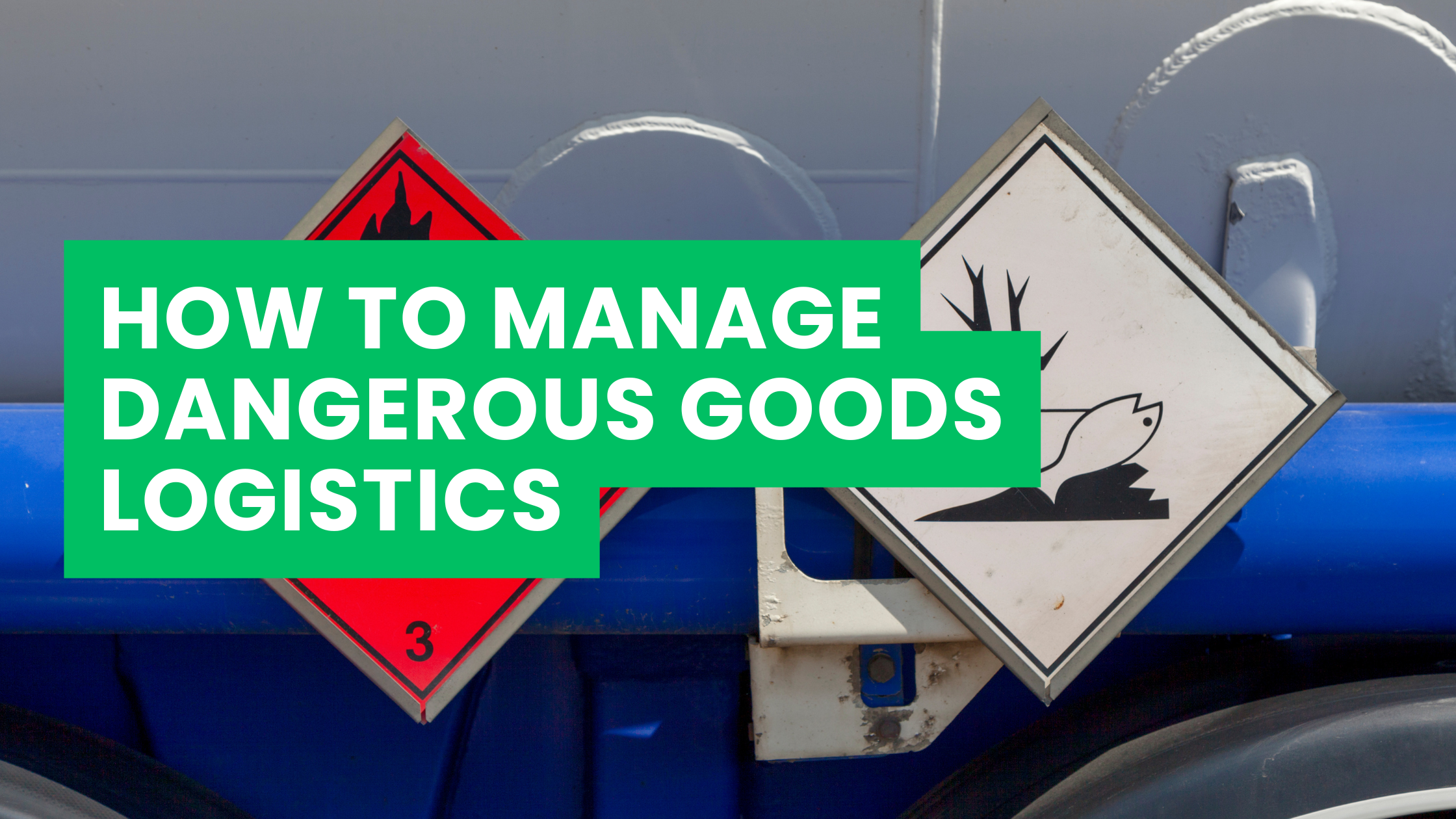
How to Manage Dangerous Goods Logistics
Introduction Dangerous goods logistics is one of the most complex and high-stakes aspects of the supply chain. Unlike ordinary cargo, hazardous materials carry inherent risks—ranging from flammability and toxicity to environmental hazards—that demand strict adherence to international regulations, specialized handling, and robust safety protocols. For companies operating globally, the challenge is not only ensuring compliance but also guaranteeing that shipments arrive on time, intact, and without risk to people, property, or the environment. At ASL International, we understand that managing dangerous goods requires a combination of technical expertise, compliance knowledge, and operational precision. This blog explores the essential strategies, challenges, and solutions for managing dangerous goods logistics in a global context. What Are Dangerous Goods? Dangerous goods (DG) are items or substances that, when transported, pose risks to health, safety, property, or the environment. They are classified under international standards such as: Common categories include: Correct classification is the foundation of safe and compliant transport. Key Challenges in Dangerous Goods Logistics 1. Complex Regulatory Frameworks Every mode of transport has its own regulations, and these rules differ across regions. A shipment compliant in Europe may require additional permits or packaging adjustments when entering Asia or Africa. 2. Safety Risks Accidents involving hazardous cargo can have catastrophic consequences—fires, spills, contamination, or explosions. The reputational and financial damage to companies is immense. 3. Documentation Burden Dangerous goods require detailed documentation: 4. Specialized Handling and Packaging Improper packaging or labeling is a common compliance failure. DG must be packaged in UN-certified containers, correctly labeled with hazard classes, and handled by trained personnel. 5. Cost and Insurance Dangerous goods logistics is more expensive than standard freight due to the need for specialized packaging, staff training, and higher insurance premiums. Best Practices for Managing Dangerous Goods Logistics 1. Accurate Classification and Labeling 2. Robust Documentation Process 3. Specialized Packaging Solutions 4. Staff Training and Certification 5. Choosing the Right Transport Mode 6. Emergency Preparedness and Risk Management 7. Partnering with an Expert Logistics Provider A reliable partner like ASL International ensures: Dangerous Goods by Transport Mode Air Transport The IATA Dangerous Goods Regulations (DGR) govern DG shipments by air.Key requirements: Ocean Transport The International Maritime Dangerous Goods (IMDG) Code governs sea freight. Road Transport The ADR (European Agreement Concerning the International Carriage of Dangerous Goods by Road) applies in Europe. Rail Transport The RID (Regulations Concerning the International Carriage of Dangerous Goods by Rail) covers Europe. Technology in Dangerous Goods Logistics Technology is transforming how DG logistics is managed: Compliance Failures: Real-World Consequences Each of these incidents highlights why proactive compliance and risk management are non-negotiable. How ASL International Adds Value At ASL International, we provide: Our goal is to ensure that your dangerous goods shipments move seamlessly across borders—safely, securely, and on schedule. Future Trends in Dangerous Goods Logistics Conclusion Managing dangerous goods logistics is far more than a compliance exercise—it’s about protecting lives, safeguarding the environment, and ensuring the resilience of global supply chains. From classification and packaging to multimodal transport and emergency preparedness, every step demands precision. ASL International brings the expertise, infrastructure, and global network needed to handle dangerous goods with confidence. By combining regulatory compliance, cutting-edge technology, and a commitment to safety, we ensure that your hazardous cargo reaches its destination safely and on time. If your business requires reliable solutions for dangerous goods logistics, partner with ASL International—where safety meets efficiency.

Autonomous Trucks: On the Horizon or Not?
Introduction The logistics industry is in the midst of a technology-driven revolution. From AI-powered supply chain planning to predictive analytics for freight optimization, innovation is reshaping how goods move across the globe. Among these advancements, autonomous trucks stand out as one of the most disruptive and debated technologies. For years, analysts and tech companies have promised that self-driving trucks would soon dominate highways, cutting costs, reducing accidents, and solving driver shortages. But in 2025, a crucial question remains: Are autonomous trucks truly on the horizon, or are they still a distant dream? For a global logistics player like ASL International, the answer isn’t just academic—it has real implications for investment strategies, partnerships, compliance, and the future of end-to-end delivery services. This blog takes a deep dive into where the technology stands, the barriers holding it back, and the potential opportunities it offers for global supply chains. The Current State of Autonomous Truck Technology Autonomous driving is typically classified into five levels by SAE International: Today, most “autonomous” trucks being tested are in Level 3–4, often operating on pre-mapped highways with safety drivers on board. Companies like Waymo, Aurora, TuSimple, and Plus have logged millions of test miles across the U.S. and China, while European OEMs such as Daimler and Volvo are running advanced pilot projects. Despite progress, commercial deployment at scale remains limited. Most programs are still in trial phases, restricted to specific freight corridors, weather conditions, and controlled logistics environments. Market Drivers for Autonomous Trucks Several powerful forces are pushing the industry toward automation: 1. Driver Shortages The trucking industry faces a chronic shortage of drivers, especially in markets like the U.S. and Europe. Aging workforces, long hours, and difficult working conditions have made recruitment and retention increasingly challenging. Autonomous trucks could bridge this gap. 2. Cost Pressures Labor accounts for nearly 40% of long-haul trucking costs. By reducing dependency on human drivers, companies hope to cut expenses significantly and boost efficiency. 3. Safety Improvements Human error is responsible for over 90% of road accidents. Autonomous trucks promise to reduce fatigue-related crashes, improve lane discipline, and enhance overall road safety. 4. E-commerce Growth The surge in online retail and just-in-time delivery models requires scalable freight capacity. Automation offers a way to increase throughput without adding proportional human resources. 5. Sustainability Goals Autonomous trucks, when paired with electric drivetrains or hydrogen fuel cells, can optimize fuel consumption, reduce emissions, and align with global sustainability targets. Barriers to Widespread Adoption For all the hype, autonomous trucks face substantial hurdles: 1. Regulatory Uncertainty Laws governing self-driving vehicles differ widely by country and even by state. Without harmonized frameworks, scaling autonomous trucking across borders remains complex. 2. Technology Limitations While AI and sensors have advanced, challenges remain in handling adverse weather, construction zones, and unpredictable human drivers. Achieving Level 5 autonomy is still years away. 3. Public Perception Trust in self-driving technology is fragile. High-profile accidents involving autonomous cars have fueled skepticism, raising questions about safety readiness. 4. Infrastructure Gaps Autonomous trucks need smart highways, 5G connectivity, and high-definition mapping. Many regions lack these foundational elements. 5. Economic Displacement Millions of truck drivers worldwide could be displaced, triggering labor resistance, union pushback, and political debates. Regional Developments: A Global Snapshot United States The U.S. is the global leader in autonomous trucking pilots. Tech companies and logistics firms are testing middle-mile operations between warehouses and ports, especially along Texas and Arizona highways where weather conditions are favorable. Europe Europe emphasizes platooning technology, where multiple trucks move in coordinated convoys to reduce drag and fuel consumption. Regulatory bodies are cautious but gradually approving limited tests. China China is aggressively pursuing self-driving trucks, driven by government support, smart infrastructure investment, and leading OEM partnerships. Middle East Countries like the UAE and Saudi Arabia, with ambitions to build smart cities and logistics hubs, are beginning to explore autonomous truck corridors, particularly for controlled environments such as free zones and ports. Africa & Emerging Markets Adoption is slower due to infrastructure and regulatory challenges. However, as global supply chains increasingly pass through Africa, pilot programs could follow. Timeline Predictions: When Will We See Scale? In short: autonomous trucks are on the horizon—but not fully here yet. Implications for Supply Chains 1. Hub-to-Hub Logistics Transformation Autonomous trucks are best suited for long-haul, repetitive routes between major hubs. Logistics providers may redesign networks to take advantage of this capability. 2. Hybrid Workforce Models Rather than eliminating drivers, the shift will likely reassign them. Humans may focus on last-mile delivery, fleet monitoring, and exception management, while machines handle the monotonous middle-mile hauls. 3. New Cost Structures While upfront investment in autonomous fleets and infrastructure is high, long-term savings on labor, fuel optimization, and reduced downtime could reshape freight economics. 4. Data-Driven Operations Autonomous trucks generate massive amounts of operational data. Logistics companies can leverage this for predictive maintenance, route optimization, and customer transparency. Opportunities for ASL International As a global logistics and supply chain leader, ASL International has unique opportunities to position itself at the forefront of this transition: Risks That Cannot Be Ignored Conclusion: On the Horizon, but Not Fully Arrived So—are autonomous trucks truly on the horizon? The answer is yes, but cautiously so. The technology has made tremendous progress, and the industry is closer than ever to mainstream deployment. However, significant challenges—regulatory, technological, and societal—still stand in the way of full-scale adoption. For ASL International, the key is to remain proactive: investing in knowledge, forming partnerships, and preparing for a hybrid future where human drivers and autonomous systems coexist. Those who adapt early will have a competitive advantage in shaping the supply chains of tomorrow. Autonomous trucks may not yet dominate the highways, but they are undeniably on the roadmap—and for logistics leaders, the horizon is closer than it has ever been.