
In today’s interconnected global economy, logistics is no longer just about transporting goods from one location to another. It is a strategic function that directly impacts profitability, customer satisfaction, regulatory compliance, and brand reputation. As supply chains grow more complex and customer expectations continue to rise, one factor has emerged as a defining differentiator for successful organizations: transparency. Transparency in logistics refers to the clear, accurate, and timely flow of information across every stage of the supply chain. From shipment tracking and pricing structures to customs processes and risk management, transparent operations empower businesses to make informed decisions, minimize disruptions, and maintain control over their global trade activities. For importers, exporters, procurement leaders, and supply chain professionals, transparency is not simply a best practice — it is a necessity. Organizations that prioritize visibility and openness are better equipped to navigate market volatility, regulatory changes, and operational challenges. As a trusted global logistics partner, ASL Logistics recognizes that transparency is the foundation of resilient and efficient supply chains. By integrating advanced technology, expert oversight, and proactive communication, ASL Logistics helps businesses operate with confidence in an increasingly unpredictable world. Understanding Transparency in Logistics Transparency in logistics means that every stakeholder has access to accurate and relevant information when they need it. It eliminates uncertainty and replaces guesswork with actionable insights. A transparent logistics framework typically includes: When these elements function together, businesses gain a complete picture of their supply chain operations. Lack of transparency, on the other hand, can lead to delayed shipments, unexpected costs, compliance violations, strained vendor relationships, and dissatisfied customers. In competitive markets where margins are tight, such inefficiencies can significantly impact long-term growth. Transparency transforms logistics from a reactive function into a strategic advantage. Why Transparency Matters More Than Ever Global supply chains have undergone a dramatic transformation over the past decade. Multiple sourcing locations, evolving trade regulations, geopolitical shifts, and digital commerce have increased both opportunity and complexity. Decision-makers now require more than periodic updates — they need continuous visibility. Transparency enables organizations to: Companies that operate without visibility often find themselves reacting to problems instead of preventing them. In contrast, transparent supply chains promote agility — a critical capability in modern trade environments. Building Trust Across the Supply Chain Trust is one of the most valuable currencies in global business. It influences partnerships, negotiations, and long-term collaboration. Transparency plays a central role in building that trust. When logistics providers communicate clearly about timelines, costs, and potential challenges, businesses gain confidence in their operational strategy. They can plan production schedules, manage stakeholder expectations, and maintain service reliability. Hidden fees, unclear transit updates, or inconsistent communication can quickly erode trust — often leading organizations to seek alternative partners. ASL Logistics prioritizes openness in every interaction, ensuring that clients remain fully informed and supported throughout the shipping lifecycle. This approach fosters durable partnerships rather than transactional relationships. Enhancing Operational Efficiency Efficiency is not achieved by speed alone. It requires coordination, data accuracy, and streamlined processes. Transparency enables organizations to identify inefficiencies early and address them before they escalate. For example: When logistics data is visible and reliable, teams spend less time troubleshooting and more time optimizing. Moreover, transparency promotes internal alignment. Procurement teams, warehouse managers, finance departments, and leadership can operate from a single source of truth, eliminating communication gaps that often slow operations. ASL Logistics leverages intelligent systems and structured workflows to deliver clarity across every shipment, helping clients operate with precision and consistency. Reducing Risk in Global Trade International logistics involves numerous risk factors — customs regulations, tariff changes, port congestion, weather disruptions, and geopolitical developments, to name a few. Transparency acts as a powerful risk mitigation tool. When businesses have early visibility into potential disruptions, they can pivot quickly by rerouting shipments, adjusting inventory strategies, or revising delivery commitments. Key risk-reduction benefits include: Without transparency, risks tend to surface only after they have already impacted operations. ASL Logistics combines industry expertise with proactive monitoring to help clients anticipate challenges rather than react to them. Supporting Regulatory Compliance Compliance is a non-negotiable aspect of global trade. Documentation errors, classification mistakes, or regulatory misunderstandings can result in fines, shipment seizures, or reputational damage. Transparent logistics processes ensure that all documentation, declarations, and procedures are handled with accuracy and accountability. This includes: Businesses benefit from knowing exactly how their shipments are being managed and whether they meet compliance standards. ASL Logistics maintains rigorous operational controls and compliance frameworks designed to protect clients from unnecessary exposure while simplifying cross-border trade. Improving Cost Control and Financial Planning Unexpected logistics expenses can disrupt even the most carefully planned budgets. Transparency in pricing allows businesses to forecast with confidence and maintain financial stability. Clear cost structures help organizations: Financial clarity also supports stronger internal reporting, enabling leadership teams to make strategic investment decisions based on accurate logistics data. ASL Logistics believes that predictable pricing builds stronger partnerships. By offering straightforward quotations and detailed cost breakdowns, the company ensures that clients remain in control of their logistics spending. Elevating Customer Experience Today’s customers expect accurate delivery timelines and consistent service. When businesses lack shipment visibility, they struggle to provide reliable updates — often leading to frustration and lost loyalty. Transparency enhances customer satisfaction by enabling organizations to communicate confidently about order status and delivery expectations. Benefits include: In competitive markets, superior customer experience is often the deciding factor between retention and churn. ASL Logistics supports clients with advanced tracking capabilities and proactive communication, allowing them to deliver the dependable service their customers expect. Enabling Data-Driven Decision Making Modern supply chains generate vast amounts of data. However, data only becomes valuable when it is accessible, accurate, and actionable. Transparency unlocks the full potential of logistics intelligence. With comprehensive insights, businesses can: Data-driven organizations consistently outperform competitors because they replace assumptions with measurable outcomes. ASL Logistics integrates analytics into its operational model, empowering clients with the visibility needed to refine strategies and enhance long-term performance. Strengthening Supplier and Partner Relationships Supply chains depend on
How to Measure Logistics Performance
In today’s fast-moving global economy, logistics is no longer just a support function—it is a strategic driver of business success. Companies that effectively measure logistics performance gain stronger cost control, improved customer satisfaction, reduced operational risk, and greater supply chain visibility. Yet many organizations struggle with one critical question: How do you know if your logistics operation is truly performing well? Without clear metrics, even the most sophisticated supply chains can suffer from inefficiencies, delays, and hidden costs. Measuring logistics performance provides the data needed to make smarter decisions, optimize processes, and stay competitive in international markets. For importers, exporters, supply chain managers, and procurement leaders, understanding logistics performance is essential to building resilient and scalable operations. This guide explores the key metrics, frameworks, and strategies businesses should use to evaluate logistics effectiveness — and explains how partnering with an experienced global provider like ASL Logistics can transform performance across the entire supply chain. Why Measuring Logistics Performance Matters Logistics performance directly impacts profitability, service quality, and brand reputation. A single delayed shipment can disrupt production lines, strain customer relationships, and generate unexpected costs. Organizations that prioritize performance measurement benefit from: Most importantly, performance measurement shifts logistics from reactive troubleshooting to proactive optimization. As global trade grows more complex—with evolving customs regulations, geopolitical shifts, capacity constraints, and rising customer expectations—companies must rely on data rather than assumptions. High-performing supply chains are not accidental. They are measured, analyzed, and continuously improved. Establish Clear Logistics Objectives First Before selecting metrics, businesses must define what success looks like. Measuring everything often leads to confusion rather than clarity. Start by aligning logistics goals with broader business priorities. Common strategic objectives include: For example, an exporter entering new markets may prioritize customs efficiency and transit reliability, while a manufacturer focused on lean operations may emphasize inventory turnover. When objectives are clearly defined, performance metrics become meaningful rather than purely numerical. A practical approach is to group logistics goals into four categories: Cost, Speed, Reliability, and Visibility. These pillars form the foundation of effective performance measurement. The Core Logistics Performance Metrics Every Business Should Track While every supply chain is unique, several metrics consistently indicate logistics health. Monitoring these key performance indicators (KPIs) allows organizations to identify trends, uncover inefficiencies, and implement improvements with confidence. 1. On-Time Delivery (OTD) On-time delivery is one of the most visible indicators of logistics performance. It measures the percentage of shipments delivered within the promised timeframe. Formula:(On-time shipments ÷ Total shipments) × 100 Consistently high OTD signals operational discipline, accurate planning, and dependable transportation partners. Low OTD often points to deeper issues such as: In global logistics, even minor disruptions can cascade into major delays. Monitoring OTD helps businesses detect patterns early and respond proactively. Companies operating in competitive markets increasingly view on-time delivery as a brand differentiator rather than merely an operational target. 2. Freight Cost per Unit Shipping expenses can quietly erode margins if not carefully tracked. Freight cost per unit evaluates how efficiently goods are transported relative to volume or weight. Formula:Total freight spend ÷ Total units shipped This metric enables procurement and finance teams to assess whether transportation strategies align with cost expectations. Rising costs may indicate: However, the lowest cost is not always the best outcome. Businesses must balance cost with reliability and speed. Experienced logistics partners help organizations strike this balance by designing cost-efficient routes without compromising service quality. 3. Transit Time Consistency Average transit time alone does not tell the full story. Consistency is what builds operational confidence. If a shipment takes 10 days one week and 18 the next, planning becomes difficult. Transit time consistency measures predictability across lanes and carriers. Stable transit times support: Variability often signals congestion, carrier performance issues, or documentation gaps. Advanced logistics providers leverage network intelligence, historical data, and real-time tracking to improve predictability across global routes. 4. Perfect Order Rate The perfect order rate measures how often shipments arrive: Formula:Perfect orders ÷ Total orders × 100 This KPI combines multiple operational elements into one powerful indicator. A high perfect order rate reflects coordination across warehousing, transportation, packaging, and customs processes. A decline suggests systemic breakdowns rather than isolated errors. Because it directly affects customer satisfaction, many organizations consider this the ultimate logistics performance metric. 5. Inventory Turnover Inventory that sits too long ties up capital and increases storage costs. Inventory turnover reveals how frequently stock is sold and replenished. Formula:Cost of goods sold ÷ Average inventory Higher turnover typically indicates efficient demand planning and strong logistics execution. Low turnover may signal overstocking, forecasting inaccuracies, or slow transportation cycles. For global businesses, inventory optimization depends heavily on reliable logistics timelines. When shipments move predictably, companies can operate with leaner inventory models. 6. Order Accuracy Shipping the wrong item can be more damaging than shipping late. Order accuracy measures the percentage of orders fulfilled without errors. Mistakes often stem from: Beyond direct replacement costs, inaccuracies harm customer trust and create reverse logistics expenses. Technology-enabled fulfillment and standardized workflows significantly improve accuracy rates. 7. Customs Clearance Time For international shipments, customs performance can define the difference between smooth delivery and costly delays. Customs clearance time tracks how long shipments remain in regulatory review. Extended clearance times often result from: Partnering with experienced customs specialists reduces these risks while accelerating border movement. Efficient clearance is not just about speed—it protects businesses from penalties, shipment holds, and reputational damage. 8. Damage Rate Damaged goods generate replacement costs, insurance claims, and dissatisfied customers. Damage rate measures the percentage of shipments arriving in compromised condition. Common causes include: Analyzing damage patterns helps organizations refine packaging standards and carrier selection. Preventing damage is far more cost-effective than managing claims. 9. Logistics Cost as a Percentage of Sales This high-level metric evaluates how much revenue is consumed by logistics activities. Formula:Total logistics cost ÷ Total sales × 100 It provides leadership with a strategic view of supply chain efficiency. A rising percentage may indicate operational inefficiencies, network design issues, or changing customer expectations such

Future Trends Every Logistics Manager Should Know
The global logistics industry is undergoing a fundamental transformation. What once revolved around cost efficiency and basic transportation has evolved into a complex, technology-driven ecosystem that directly impacts business resilience, customer satisfaction, and long-term growth. For logistics managers, importers, exporters, and supply chain leaders, understanding future trends is no longer optional—it is essential for staying competitive in an increasingly volatile global trade environment. From digitalization and automation to sustainability and regulatory complexity, logistics is entering an era where adaptability defines success. Companies that anticipate change and invest in forward-looking strategies will outperform those that react too late. This is where experienced global logistics partners such as ASL Logistics play a critical role—helping businesses navigate complexity while unlocking efficiency and compliance across international supply chains. This article explores the most important future trends every logistics manager should know and how they will shape global trade, freight forwarding, customs brokerage, and supply chain management in the years ahead. 1. End-to-End Supply Chain Visibility Becomes a Standard Visibility is no longer a “nice-to-have.” It is becoming a baseline expectation across global logistics operations. Businesses want real-time insights into shipment status, inventory levels, transit delays, and potential disruptions—all in one place. Future logistics operations will rely heavily on integrated digital platforms that connect freight forwarders, carriers, customs authorities, warehouses, and end customers. These systems will allow logistics managers to monitor shipments from origin to destination, identify bottlenecks early, and make proactive decisions instead of reactive ones. Greater visibility also supports stronger customer relationships. When businesses can provide accurate delivery timelines and real-time updates, trust increases and disputes decrease. Logistics managers who prioritize transparency will be better positioned to meet customer expectations and internal performance benchmarks. 2. Artificial Intelligence and Predictive Analytics Drive Smarter Decisions Artificial intelligence is reshaping how logistics managers plan, execute, and optimize supply chains. Rather than relying solely on historical data and manual forecasting, AI-driven systems analyze massive datasets to identify patterns, predict outcomes, and recommend actions. Predictive analytics helps logistics teams anticipate demand fluctuations, port congestion, weather disruptions, and capacity constraints. This allows managers to adjust routes, modes of transport, and inventory levels before problems escalate. In freight forwarding and customs brokerage, AI is also improving document processing, classification accuracy, and risk assessment. Automated compliance checks reduce errors, speed up customs clearance, and minimize costly delays. Logistics managers who embrace AI gain not only efficiency but also a strategic advantage in risk management. 3. Automation Expands Across Warehousing and Transportation Automation is rapidly becoming a core component of modern logistics operations. Warehouses are increasingly deploying automated storage and retrieval systems, robotics, and smart picking solutions to improve speed, accuracy, and labor efficiency. In transportation, automation is influencing route optimization, load planning, and fleet management. Advanced software can automatically select the most efficient routes based on real-time traffic, fuel costs, and delivery priorities. For logistics managers, automation reduces dependency on manual processes, lowers operational risk, and supports scalability during peak demand periods. As global trade volumes continue to fluctuate, automated systems provide the flexibility needed to maintain service levels without increasing overhead. 4. Sustainability Shifts from Trend to Business Requirement Sustainability is no longer a marketing concept—it is a strategic and regulatory necessity. Governments, customers, and investors are placing increasing pressure on businesses to reduce their environmental footprint. Future logistics strategies will focus on carbon-efficient transportation, optimized route planning, eco-friendly packaging, and energy-efficient warehousing. Logistics managers will be expected to measure emissions, report sustainability metrics, and support corporate environmental goals. Sustainable logistics also delivers operational benefits. Reduced fuel consumption lowers costs, optimized networks improve efficiency, and compliance with environmental regulations minimizes risk. Partnering with a logistics provider that understands sustainable trade practices helps businesses align growth with responsibility. 5. Global Trade Compliance Grows More Complex Customs regulations, trade policies, and compliance requirements are becoming more complex and region-specific. Changing tariff structures, trade agreements, sanctions, and documentation standards demand continuous monitoring and expertise. Future-focused logistics managers will rely on professional customs brokerage and trade compliance support to navigate this evolving landscape. Errors in classification, valuation, or documentation can result in delays, penalties, and reputational damage. As supply chains expand across multiple countries, compliance becomes a strategic function rather than an administrative task. Logistics partners with deep regulatory knowledge help businesses mitigate risk while ensuring smooth cross-border movement of goods. 6. Multimodal Logistics Gains Strategic Importance Relying on a single mode of transportation is increasingly risky in a world of port congestion, capacity shortages, and geopolitical disruptions. The future of logistics lies in multimodal and intermodal solutions that combine air, ocean, rail, and road freight strategically. Multimodal logistics allows managers to balance cost, speed, and reliability while maintaining flexibility. For example, shifting between sea and air freight during peak seasons or disruptions can protect supply chain continuity. Logistics managers who understand how to leverage multiple transportation modes will be better equipped to optimize performance and adapt to changing market conditions. 7. Resilience and Risk Management Take Center Stage Recent global events have highlighted the fragility of traditional supply chain models. As a result, resilience is becoming a top priority for logistics leaders. Future logistics strategies will emphasize diversified sourcing, alternative routing, buffer inventory planning, and contingency frameworks. Risk assessments will be integrated into daily decision-making rather than reserved for crisis situations. Logistics managers who build resilient supply chains can protect business continuity, maintain customer confidence, and respond effectively to unexpected disruptions. 8. Customer-Centric Logistics Redefines Service Expectations Logistics is no longer a back-end function—it is a critical part of the customer experience. Businesses now expect logistics partners to act as strategic advisors rather than transactional service providers. Future logistics operations will focus on customization, responsiveness, and value-added services. This includes tailored freight solutions, proactive communication, and performance-driven service models. Logistics managers who prioritize customer-centric strategies will strengthen partnerships, improve retention, and differentiate their businesses in competitive markets. 9. Data Security and Digital Trust Become Essential As logistics operations become more digital, data security and system reliability gain importance. Sensitive trade information, shipment

The Impact of 3D Printing on Logistics
The logistics industry has always evolved alongside technology. From containerization to digital freight platforms, every major innovation has reshaped how goods move across borders. Today, 3D printing—also known as additive manufacturing—is emerging as one of the most disruptive forces in global supply chains. For logistics providers, importers, exporters, and supply chain leaders, 3D printing is not simply a manufacturing trend. It is a structural shift that influences inventory strategy, transportation demand, customs processes, warehousing models, and cross-border trade flows. Understanding its impact is no longer optional—it is a competitive necessity. At ASL Logistics, we view 3D printing not as a threat to global logistics, but as a transformation that demands smarter, more agile, and more integrated logistics solutions. This article explores how 3D printing is changing logistics today, what it means for international trade, and how businesses can adapt successfully. Understanding 3D Printing in a Supply Chain Context 3D printing is the process of creating physical objects layer by layer from a digital design. Unlike traditional manufacturing, which often involves multiple stages, molds, tooling, and assembly lines, additive manufacturing allows products to be produced on demand, closer to the point of consumption, and in smaller quantities. From a logistics perspective, this shift challenges long-standing assumptions about: Instead of shipping finished products from centralized factories, companies may ship raw materials, digital design files, or semi-finished components, fundamentally altering logistics networks. How 3D Printing Is Reshaping Traditional Logistics Models 1. Decentralization of Manufacturing Historically, manufacturing has been centralized in cost-efficient regions, with finished goods transported globally. 3D printing enables localized production, allowing companies to manufacture closer to end users. Logistics impact: For logistics providers, this means shifting from purely international transport models to hybrid global-local supply chains. 2. Reduced Inventory and On-Demand Production Traditional supply chains rely heavily on forecasting and stockpiling inventory. 3D printing enables companies to produce items only when they are needed, minimizing excess inventory. Logistics impact: This transformation favors logistics partners that can provide flexible warehousing, responsive distribution, and real-time inventory visibility. 3. Fewer Stock-Keeping Units, Greater Customization 3D printing reduces the need for multiple SKUs by allowing products to be customized at the point of production. A single digital design can replace dozens of physical variations. Logistics impact: Customization shifts logistics from volume-based efficiency to precision-based execution. Impact of 3D Printing on Global Trade and Cross-Border Logistics 1. Changing Trade Flows As manufacturing moves closer to consumers, the volume of finished goods crossing borders may decline. However, this does not eliminate international trade—it changes its composition. Instead of finished products, global trade increasingly involves: Logistics providers must adapt to more complex, higher-value, and compliance-driven shipments. 2. Customs and Regulatory Implications 3D printing introduces new questions for customs authorities: Customs brokerage expertise becomes even more critical. Companies need guidance on classification, valuation, origin determination, and regulatory compliance in a rapidly evolving environment. 3. Shorter Lead Times, Higher Expectations On-demand manufacturing shortens production cycles, which raises expectations for logistics performance. Delays in raw material supply or component transport can halt production entirely. Logistics impact: In this environment, logistics is no longer a support function—it is a strategic enabler. Warehousing in the Age of 3D Printing From Storage Centers to Production Hubs Warehouses are evolving from passive storage facilities into active production and fulfillment centers. Some locations now house 3D printers alongside inventory, enabling rapid production and dispatch. Key logistics considerations include: Logistics providers must offer scalable, adaptable warehousing solutions that align with advanced manufacturing needs. Inventory Strategy Transformation With 3D printing, companies shift from storing finished goods to storing: This requires a different approach to inventory planning, supported by data-driven logistics and integrated supply chain visibility. Transportation and Freight Forwarding in a 3D Printing World Decline in Bulk Shipments, Rise in Specialized Freight While some traditional freight volumes may decline, demand increases for: Freight forwarding becomes more specialized, focusing on speed, reliability, and compliance rather than just volume optimization. Regional and Last-Mile Logistics Gain Importance As production moves closer to consumption, regional distribution and last-mile delivery become central to supply chain success. This shift favors logistics partners with: Supply Chain Resilience and Risk Management Reducing Dependency on Single-Source Manufacturing 3D printing supports supply chain diversification by enabling production in multiple locations. This reduces reliance on a single factory or country. Logistics benefit: However, resilience still depends on robust logistics infrastructure, capable of supporting decentralized production. Managing New Types of Risk While 3D printing reduces some risks, it introduces others: Logistics partners must help businesses anticipate, mitigate, and manage these risks through strategic planning and real-time execution. Sustainability and Environmental Impact 3D printing is often associated with sustainability due to reduced waste and shorter transportation distances. From a logistics standpoint, sustainability gains are real but must be carefully managed. Positive impacts include: Logistics responsibility: Sustainability is no longer optional—it is a core expectation for global logistics providers. What 3D Printing Means for Importers and Exporters For importers and exporters, 3D printing requires a reassessment of: Businesses must decide: The right logistics partner provides strategic guidance, not just transportation. The Evolving Role of Logistics Providers 3D printing does not eliminate the need for logistics—it elevates it. Modern logistics providers must deliver: At ASL Logistics, we see ourselves as supply chain architects, helping businesses design logistics strategies that align with emerging manufacturing technologies. How ASL Logistics Supports the Future of Manufacturing and Trade As supply chains evolve, ASL Logistics remains focused on enabling growth, resilience, and efficiency for our clients. Our global capabilities support businesses navigating the complexities introduced by 3D printing, including: We understand that every business faces unique challenges. That is why we focus on customized logistics strategies, not one-size-fits-all solutions. Preparing for the Future: Key Takeaways Companies that adapt early will gain a competitive advantage. Those that delay risk falling behind in an increasingly dynamic global trade environment. Final Thoughts 3D printing represents a fundamental shift in global manufacturing—and logistics sits at the center of this transformation. While production may become more localized, the need for expert global
Autonomous Trucks and Logistics: Transforming Global Supply Chains with Intelligence and Precision
The global logistics industry is entering a defining era. As supply chains grow more complex, customer expectations rise, and margins tighten, logistics leaders are being challenged to move faster, smarter, and more sustainably than ever before. Among the most transformative forces reshaping the industry today is the emergence of autonomous trucks. Autonomous trucking is not a distant concept or experimental technology—it is rapidly becoming a strategic capability that will redefine how goods move across borders, regions, and continents. For importers, exporters, supply chain managers, and global trade professionals, understanding the impact of autonomous trucks is no longer optional. It is essential for long-term competitiveness. At ASL Logistics, innovation is viewed through a practical lens: how technology strengthens reliability, improves compliance, reduces risk, and delivers measurable value to global clients. This article explores how autonomous trucks are shaping the future of logistics, the opportunities and challenges they present, and what this shift means for businesses seeking resilient, future-ready supply chain solutions. Understanding Autonomous Trucks in Logistics Autonomous trucks are commercial vehicles equipped with advanced systems that allow them to operate with minimal or no human intervention. These systems combine artificial intelligence, machine learning, sensors, radar, cameras, GPS, and real-time data processing to navigate roads, respond to traffic conditions, and execute driving tasks safely and efficiently. Autonomy exists on a spectrum. Some trucks are partially autonomous, assisting drivers with lane control, braking, and adaptive cruise functions. Others are designed for highly automated or fully autonomous operation on defined routes, such as highways or dedicated freight corridors. In logistics, autonomous trucks are primarily being adopted to support long-haul freight movement, cross-border transportation, port-to-hub transfers, and predictable high-volume routes. Their integration is already influencing how logistics providers plan capacity, manage costs, and ensure delivery consistency. Why Autonomous Trucks Matter to Global Supply Chains Global trade depends on precision. Delays at any point—ports, borders, highways, or distribution hubs—can ripple through entire supply chains. Autonomous trucks address several structural challenges that have long constrained logistics efficiency. Addressing Driver Shortages The logistics industry faces a persistent shortage of qualified commercial drivers in many regions. Aging workforces, demanding schedules, and regulatory constraints have made recruitment increasingly difficult. Autonomous trucking technology helps mitigate this challenge by reducing reliance on long-haul drivers while allowing human professionals to focus on supervision, local deliveries, and higher-value operational roles. Enhancing Operational Consistency Unlike human drivers, autonomous systems do not experience fatigue, distraction, or performance variability. This consistency enables more predictable transit times, improved route planning, and tighter delivery windows—critical advantages for time-sensitive shipments and just-in-time supply chains. Improving Road Safety Advanced autonomous systems continuously monitor surroundings, detect hazards faster than human reflexes, and respond with precision. While human oversight remains essential, the long-term potential for reducing accidents, cargo damage, and insurance risks is significant. The Technology Behind Autonomous Trucking Autonomous logistics is powered by a sophisticated digital ecosystem rather than a single innovation. Understanding this ecosystem helps businesses evaluate readiness and long-term value. Artificial Intelligence and Machine Learning AI systems analyze vast datasets in real time, learning from road conditions, traffic patterns, weather changes, and historical performance. Over time, these systems improve route efficiency, braking accuracy, and obstacle avoidance. Sensor Fusion and Real-Time Awareness Autonomous trucks rely on multiple sensors working together—lidar, radar, cameras, and ultrasonic sensors—to create a comprehensive, real-time view of their environment. This layered awareness allows vehicles to operate safely across varied terrain and traffic conditions. Connectivity and Cloud Integration Autonomous trucks are connected assets. They exchange data with fleet management systems, logistics platforms, and control centers. This connectivity enables real-time monitoring, predictive maintenance, and seamless integration with global supply chain operations. Autonomous Trucks and Freight Forwarding Efficiency For freight forwarders, reliability and coordination are paramount. Autonomous trucks introduce new efficiencies across the freight forwarding lifecycle. Faster Transit on Predictable Routes Autonomous trucks excel on highways and fixed corridors, where conditions are structured and predictable. This makes them ideal for long-distance freight movement between ports, inland terminals, and regional distribution centers. Reduced Downtime Autonomous trucks can operate for longer hours without mandatory rest breaks, increasing asset utilization. While regulations still govern operational limits, the overall reduction in downtime improves capacity planning and throughput. Enhanced Shipment Visibility Integrated tracking and data analytics provide end-to-end visibility across autonomous freight movements. This transparency strengthens customer communication, exception management, and performance reporting. Impact on Cross-Border and International Trade Autonomous trucking has particular significance for cross-border logistics, where delays, documentation errors, and compliance risks are common challenges. Standardized Compliance Processes Autonomous systems can be programmed to follow standardized operational protocols, reducing variability in documentation handling, route selection, and regulatory adherence. This supports smoother customs clearance and border crossings when aligned with local regulations. Improved Port and Inland Connectivity Ports and inland freight hubs are increasingly adopting automation. Autonomous trucks integrate seamlessly into these environments, enabling faster cargo transfers, reduced congestion, and improved coordination between maritime and land transport. Greater Predictability for Global Trade Planning For international traders, predictability is as valuable as speed. Autonomous trucks help stabilize transit schedules, allowing businesses to plan inventory, production, and distribution with greater confidence. Cost Implications and Long-Term Value While autonomous trucking requires upfront investment, its long-term economic impact is reshaping logistics cost structures. Lower Operating Costs Over Time Reduced labor dependency, optimized fuel consumption, and predictive maintenance contribute to lower operating costs per mile. Over time, these savings can offset initial technology investments. Better Asset Utilization Higher utilization rates mean fewer trucks are needed to move the same volume of freight. This efficiency reduces capital expenditure and improves return on assets. Reduced Risk-Related Expenses Improved safety performance leads to lower accident-related costs, insurance premiums, and cargo claims—key considerations for global logistics providers and their clients. Challenges and Realities of Autonomous Logistics Despite its promise, autonomous trucking is not without challenges. A realistic understanding is essential for responsible adoption. Regulatory Complexity Autonomous vehicle regulations vary widely across countries and regions. Differences in legal frameworks, liability standards, and operational permissions require careful navigation and ongoing compliance management. Infrastructure Readiness

Drones in Future Delivery Systems
The global logistics industry is entering a defining phase. Customer expectations are rising, supply chains are becoming more complex, and businesses are under pressure to move goods faster, safer, and more sustainably. Amid these changes, one technology is steadily reshaping how the world thinks about delivery systems: drones. Once considered experimental or limited to niche applications, drones are now gaining serious attention from logistics leaders, regulators, and global enterprises. They represent more than speed or novelty. Drones signal a shift in how goods may move across borders, reach remote regions, and integrate into intelligent supply chains. For companies involved in international trade, freight forwarding, and supply chain management, understanding the future role of drones is no longer optional. It is a strategic necessity. This article explores how drones are transforming future delivery systems, the opportunities and limitations they present, and what businesses should consider as logistics evolves. It also explains how forward-thinking logistics partners like ASL Logistics prepare clients for this next phase of global trade. Why the Logistics Industry Is Looking Beyond Traditional Delivery Models Global trade has grown more interconnected than ever. However, traditional delivery systems face increasing strain due to several persistent challenges: These challenges cannot be solved by incremental improvements alone. They require structural innovation. Drones offer a fundamentally different approach to delivery. Instead of relying entirely on roads, ports, and human-operated vehicles, drones use airspace to create new logistics pathways. This opens possibilities that were previously impractical or impossible. For international logistics providers, this technology is not about replacing existing systems but enhancing them. What Are Delivery Drones and How Do They Work Delivery drones are unmanned aerial vehicles designed to transport goods from one location to another. They operate using onboard navigation systems, sensors, communication networks, and increasingly, artificial intelligence. Modern logistics drones can: While early drone models were limited in range and payload, advancements in battery technology, materials, and flight control systems have significantly expanded their capabilities. Today, drones are being tested and deployed for short-range deliveries, time-sensitive shipments, and access to hard-to-reach locations. The Role of Drones in the Last-Mile Delivery Revolution The last mile is often the most expensive, time-consuming, and inefficient part of the delivery process. It accounts for a significant portion of logistics costs and directly impacts customer satisfaction. Drones offer unique advantages in last-mile delivery: Speed and Efficiency Drones can bypass traffic, road closures, and infrastructure constraints. This allows for faster deliveries, particularly in densely populated urban areas or geographically challenging regions. Cost Optimization While drones require upfront investment, they can reduce recurring costs related to fuel, vehicle maintenance, and labor over time. For high-frequency, small-parcel deliveries, the economics become increasingly attractive. Expanded Reach In rural or remote areas where traditional delivery vehicles struggle, drones can provide reliable access. This is especially valuable for industries such as healthcare, energy, and infrastructure development. Improved Reliability Automated flight paths and real-time monitoring reduce variability caused by human factors. This leads to more predictable delivery performance. For businesses managing global supply chains, these benefits translate into improved service levels and stronger customer relationships. Drones in International Logistics and Cross-Border Trade While most current drone applications focus on domestic delivery, their future role in international logistics is gaining attention. Drones are unlikely to replace cargo ships, aircraft, or trucks for long-distance freight. Instead, they will complement these modes by addressing specific gaps in the supply chain. Port and Airport Operations Drones can be used within ports and airports for: These applications improve operational efficiency without disrupting existing workflows. Free Zones and Trade Hubs In large logistics parks, free trade zones, and bonded warehouses, drones can move samples, spare parts, and time-sensitive items quickly between facilities. Customs and Compliance Support Drones equipped with cameras and sensors can assist in cargo inspection, inventory verification, and compliance monitoring. This supports transparency and reduces manual delays. For global trade professionals, these use cases highlight how drones can enhance compliance, visibility, and speed rather than introduce complexity. Sustainability and Environmental Impact Sustainability is no longer a secondary consideration in logistics. It is a strategic priority. Drones offer several environmental advantages: When integrated responsibly, drones can support corporate sustainability goals and regulatory compliance. However, sustainability depends on thoughtful deployment. Battery production, energy sources, and airspace management must be addressed carefully. A trusted logistics partner plays a critical role in evaluating these factors and aligning drone use with broader environmental strategies. Technology Advancements Driving Drone Adoption The growing viability of drones in delivery systems is driven by rapid technological progress. Battery and Power Systems Longer flight times, faster charging, and improved energy efficiency are expanding operational range and reliability. Artificial Intelligence and Automation AI enables drones to adapt to changing conditions, optimize routes, and operate safely in complex environments. Connectivity and Data Integration Advanced communication networks allow drones to integrate seamlessly with logistics management systems, providing real-time tracking and analytics. Fleet Management Platforms Centralized systems can manage multiple drones, monitor performance, and ensure compliance with regulations. These technologies align closely with the digital transformation already underway in global logistics. Regulatory Landscape and Airspace Management One of the most critical factors shaping the future of drone delivery is regulation. Airspace is a shared and highly regulated resource. Governments and aviation authorities are working to balance innovation with safety, security, and privacy. Key regulatory considerations include: For businesses, navigating this regulatory environment requires expertise and local knowledge. This is where experienced global logistics providers add value. By staying informed and compliant across multiple jurisdictions, they help clients adopt new technologies without regulatory risk. Challenges and Limitations of Drone Delivery Despite their potential, drones are not a universal solution. Understanding their limitations is essential for realistic planning. Payload Constraints Most drones are designed for lightweight shipments. Heavy or bulky cargo remains better suited for traditional transport modes. Weather Sensitivity Strong winds, rain, and extreme temperatures can affect drone performance and reliability. Infrastructure Requirements Drone operations require launch sites, landing zones, maintenance facilities, and control systems. Public Acceptance Noise concerns, safety perceptions,
Data-Driven Logistics Decision Making
In today’s hyperconnected global economy, logistics is no longer just about moving goods from point A to point B. It is about making faster, smarter, and more resilient decisions in an environment shaped by volatility, customer expectations, regulatory complexity, and constant disruption. From fluctuating freight rates and port congestion to changing trade policies and demand uncertainty, logistics leaders face decisions that can no longer rely on intuition alone. This is where data-driven logistics decision making becomes a strategic advantage rather than a technical upgrade. At ASL Logistics, data is not treated as a buzzword or an afterthought. It is the foundation for smarter planning, operational efficiency, risk mitigation, and long-term supply chain resilience. By transforming raw information into actionable intelligence, ASL Logistics helps businesses navigate global trade with clarity, confidence, and control. This article explores how data-driven decision making is reshaping modern logistics, why it matters for importers, exporters, and supply chain leaders, and how ASL Logistics applies real-world expertise to turn data into measurable business outcomes. The Evolution of Decision Making in Global Logistics For decades, logistics decisions were driven by historical experience, manual reporting, and fragmented information. While experience still matters, today’s supply chains operate at a scale and speed that demand more precision. Several forces have accelerated this shift: In this environment, delayed or inaccurate decisions can lead to missed deliveries, excess inventory, compliance penalties, and lost customer trust. Data-driven logistics replaces reactive decision making with predictive, proactive, and prescriptive insights, enabling companies to stay ahead instead of constantly catching up. What Does Data-Driven Logistics Decision Making Really Mean? Data-driven logistics decision making is the practice of using structured, real-time, and historical data to guide every critical logistics and supply chain choice. It shifts decision making from assumptions to evidence. This approach combines: When integrated and analyzed correctly, this data allows logistics leaders to answer critical questions with confidence: At ASL Logistics, data is not isolated within systems. It is connected, contextualized, and transformed into insights that support smarter global trade decisions. Why Data-Driven Decision Making Matters More Than Ever 1. Complexity Has Become the Norm Modern supply chains span multiple countries, modes of transport, and regulatory frameworks. Managing this complexity without reliable data leads to inefficiencies and blind spots. Data-driven decision making provides visibility across the entire logistics lifecycle, from supplier pickup to final delivery. 2. Speed Is a Competitive Differentiator Customers expect accurate delivery timelines, real-time updates, and rapid issue resolution. Decisions based on outdated or incomplete information slow response times and erode trust. With data-backed insights, logistics teams can respond immediately and confidently. 3. Cost Pressures Are Increasing Freight rates, fuel costs, storage fees, and compliance expenses continue to rise. Without data, cost optimization becomes guesswork. Data-driven logistics identifies cost drivers, inefficiencies, and savings opportunities with precision. 4. Risk Exposure Is Growing From customs audits to supply disruptions, risk is unavoidable. What matters is how early it is identified and how effectively it is managed. Data transforms risk management from reactive problem-solving into proactive prevention. Core Data Sources Powering Smarter Logistics Decisions Effective data-driven logistics relies on the integration of multiple data streams. Each source contributes a critical piece of the decision-making puzzle. Operational Data This includes shipment tracking, transit times, carrier performance, warehouse throughput, and delivery accuracy. Operational data reveals how logistics processes perform in real-world conditions. Financial and Cost Data Freight charges, customs duties, taxes, demurrage, detention, and handling fees form the financial backbone of logistics decisions. Accurate cost data supports better budgeting, forecasting, and contract negotiations. Compliance and Trade Data Customs regulations, tariff classifications, import/export documentation, and country-specific requirements are essential for avoiding delays and penalties. Demand and Market Data Sales forecasts, customer demand patterns, and market trends help align logistics capacity with business growth. ASL Logistics integrates these data sources into a unified decision-making framework, enabling clients to see the full picture rather than isolated metrics. Key Areas Where Data-Driven Decisions Transform Logistics Performance Route and Mode Optimization Choosing the right transport mode and route impacts cost, speed, and reliability. Data analysis compares historical performance, congestion patterns, and cost structures to identify the optimal solution for each shipment. Instead of defaulting to familiar routes, ASL Logistics uses data to continuously refine routing strategies based on real-time conditions and long-term trends. Inventory Planning and Optimization Excess inventory ties up capital, while stockouts disrupt operations and customer satisfaction. Data-driven inventory decisions balance these risks by aligning stock levels with demand forecasts and transit times. Through advanced planning insights, ASL Logistics helps businesses position inventory closer to demand, reduce holding costs, and improve service levels. Customs Clearance and Compliance Strategy Customs delays often result from incomplete documentation, misclassification, or regulatory misalignment. Data-driven compliance uses historical clearance data and regulatory intelligence to anticipate potential issues before shipments reach the border. ASL Logistics applies data-backed compliance expertise to minimize clearance risks, reduce delays, and maintain trade integrity across markets. Carrier Selection and Performance Management Not all carriers perform equally across lanes and regions. Data-driven carrier evaluation measures on-time delivery, damage rates, cost consistency, and responsiveness. By using performance data rather than assumptions, ASL Logistics selects partners that consistently meet service and compliance expectations. Risk Identification and Mitigation Data allows logistics leaders to identify early warning signs such as rising transit delays, port congestion, or regulatory changes. Instead of reacting to disruptions after they occur, ASL Logistics enables proactive contingency planning based on predictive insights. Turning Data into Actionable Intelligence Collecting data alone does not create value. The real advantage comes from transforming data into decisions that improve outcomes. ASL Logistics follows a structured approach: Data Integration Information from multiple systems, partners, and geographies is consolidated into a single, reliable view. Analysis and Interpretation Advanced analytics identify patterns, trends, and anomalies that human observation alone may miss. Decision Support Insights are translated into clear recommendations aligned with business objectives, not just technical metrics. Continuous Improvement Decisions are reviewed against outcomes, creating a feedback loop that continuously improves performance. This disciplined approach ensures that data supports
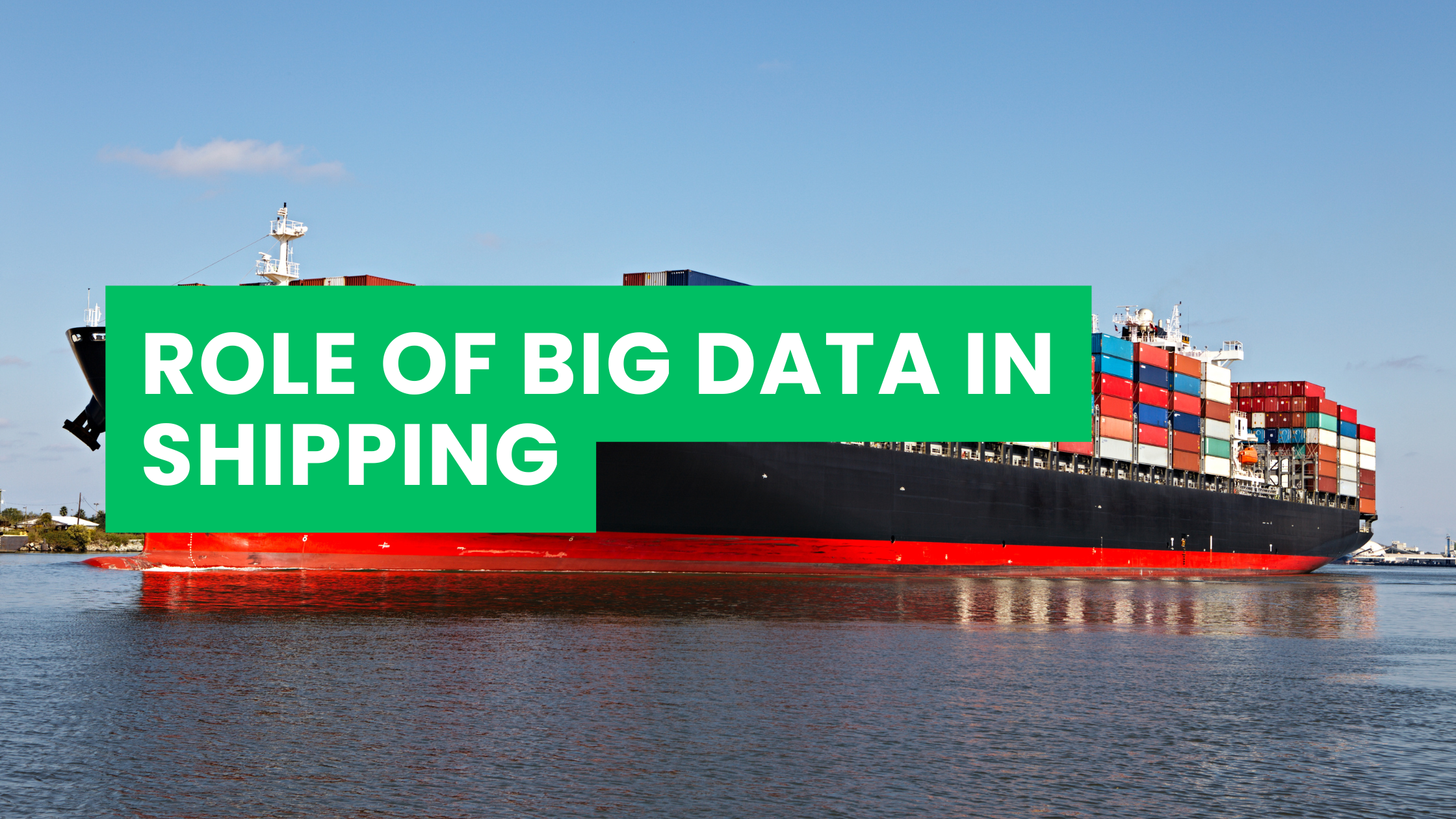
Role of Big Data in Shipping
The global shipping industry has always been data-intensive. Every shipment generates information—cargo details, routes, transit times, customs documentation, weather conditions, port congestion, carrier performance, and regulatory requirements. What has changed in recent years is not the existence of data, but the ability to capture, process, and transform massive volumes of it into actionable intelligence. This is where big data has become a defining force in modern shipping and logistics. For importers, exporters, and supply chain leaders, big data is no longer a “nice to have.” It is a strategic asset that directly influences cost control, delivery reliability, risk management, and customer satisfaction. For global logistics providers like ASL Logistics, big data enables smarter decision-making across freight forwarding, customs brokerage, multimodal transport, and end-to-end supply chain solutions. This article explores the role of big data in shipping, how it is reshaping global logistics operations, the real-world benefits for businesses, and why partnering with a data-driven logistics provider is now essential for sustainable growth in international trade. Understanding Big Data in the Shipping Industry Big data in shipping refers to extremely large and complex datasets generated from multiple sources across the logistics ecosystem. These datasets are characterized by high volume, velocity, and variety, and they require advanced analytics tools to extract meaningful insights. In shipping and logistics, big data comes from: Individually, these data points offer limited value. When integrated and analyzed together, they provide a comprehensive, real-time view of global supply chains—allowing logistics providers and shippers to move from reactive operations to predictive and proactive strategies. Why Big Data Matters in Global Shipping Shipping operates in a highly dynamic environment. Disruptions can come from port congestion, geopolitical tensions, regulatory changes, labor shortages, extreme weather, or fluctuating demand. Traditional planning methods, based on historical averages and manual processes, are no longer sufficient. Big data matters because it enables: For businesses engaged in international trade, these capabilities directly impact profitability, competitiveness, and customer trust. Big Data and End-to-End Supply Chain Visibility One of the most significant contributions of big data to shipping is enhanced end-to-end visibility. Global supply chains often span multiple countries, carriers, ports, and regulatory jurisdictions. Without centralized data intelligence, shipments can become fragmented and opaque. By aggregating data from multiple touchpoints, logistics providers can offer real-time visibility into: This visibility empowers importers and exporters to plan inventory, manage production schedules, and communicate accurately with customers. For supply chain managers, it reduces uncertainty and enables data-backed decision-making rather than guesswork. Predictive Analytics and Smarter Decision-Making Big data transforms shipping from a reactive industry into a predictive one. Advanced analytics and machine learning models analyze historical and real-time data to identify patterns, trends, and potential risks. Predicting Delays and Disruptions By analyzing factors such as weather patterns, port congestion history, vessel performance, and seasonal trade volumes, predictive models can forecast potential delays before they occur. This allows logistics teams to proactively reroute shipments, adjust schedules, or notify stakeholders in advance. Optimizing Routes and Transit Times Route optimization powered by big data considers fuel costs, weather conditions, port efficiency, carrier reliability, and transit time variability. The result is smarter routing decisions that balance speed, cost, and reliability—especially important in multimodal transport scenarios. Improving Capacity and Demand Planning Big data helps forecast shipping demand based on trade flows, market trends, and customer behavior. This supports better capacity planning, reduces last-minute premium freight costs, and ensures more stable logistics operations. Big Data in Freight Forwarding Operations Freight forwarding sits at the center of global logistics, coordinating carriers, modes of transport, documentation, and timelines. Big data enhances freight forwarding by improving coordination, transparency, and performance measurement. Key applications include: For businesses, this means more predictable outcomes and fewer surprises. For logistics providers, it means delivering consistent service quality across global networks. Enhancing Customs Brokerage and Trade Compliance Customs brokerage is another area where big data plays a critical role. Regulatory requirements are becoming more complex, and compliance failures can lead to costly delays, penalties, or shipment seizures. Big data supports customs and trade compliance by: By leveraging data intelligence, logistics providers can reduce compliance risks while accelerating clearance processes—especially important for time-sensitive or high-value cargo. Big Data and Cost Optimization in Shipping Shipping costs are influenced by numerous variables, including fuel prices, carrier rates, port fees, storage charges, and regulatory costs. Big data enables more granular cost analysis and optimization. Identifying Cost Drivers Data analytics helps break down total landed cost into its components, revealing where inefficiencies or unnecessary expenses occur. This transparency supports informed negotiations with carriers and service providers. Reducing Demurrage and Detention By tracking container dwell times and port congestion trends, big data helps minimize demurrage and detention charges. Proactive alerts allow logistics teams to act before costs escalate. Improving Asset Utilization For businesses managing containers, warehouses, or transport assets, data-driven insights improve utilization rates and reduce idle time—directly impacting bottom-line performance. IoT, Sensors, and Real-Time Cargo Intelligence The integration of Internet of Things (IoT) technology has significantly expanded the scope of big data in shipping. Sensors embedded in containers and cargo units generate real-time data on: This data is especially valuable for sensitive cargo such as pharmaceuticals, electronics, and perishables. Real-time monitoring ensures compliance with handling requirements and reduces the risk of damage, loss, or spoilage. When combined with analytics platforms, IoT data supports faster response times and stronger risk mitigation strategies across global supply chains. Big Data and Risk Management in Global Trade International shipping faces a wide range of risks, from geopolitical disruptions and sanctions to natural disasters and labor strikes. Big data strengthens risk management by providing early warning signals and scenario analysis. Examples include: With these insights, businesses can diversify routes, adjust sourcing strategies, and build more resilient supply chains. Sustainability and Environmental Impact Optimization Sustainability is no longer optional in shipping. Customers, regulators, and investors increasingly expect transparency and accountability in environmental performance. Big data contributes to sustainability by: Data-driven sustainability initiatives not only support environmental goals but also improve operational efficiency and brand reputation. Big
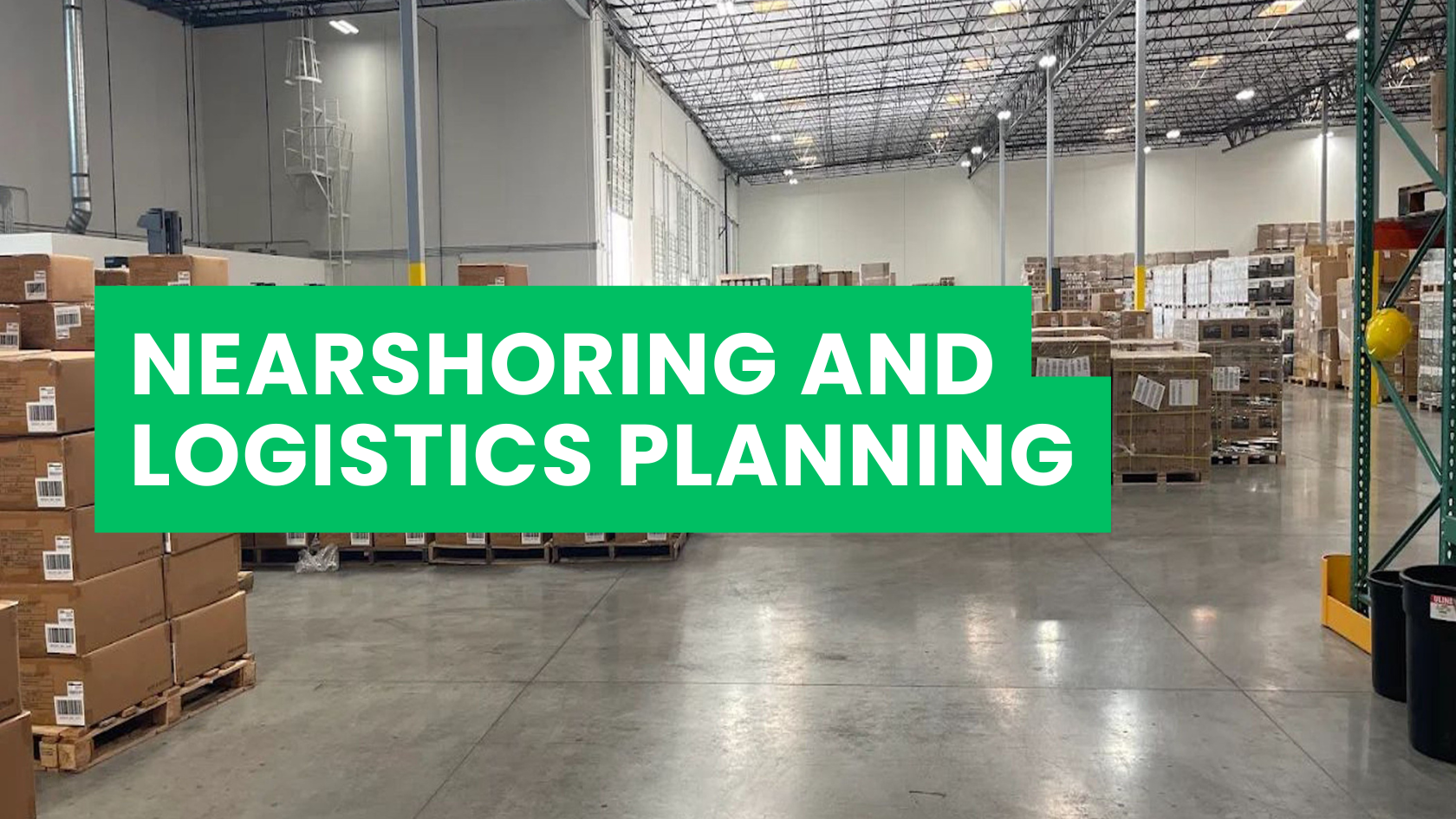
Nearshoring and Logistics Planning
Introduction: Why Nearshoring Is Reshaping Global Logistics Global supply chains are undergoing one of the most significant transformations in decades. Volatility in international trade, rising transportation costs, geopolitical uncertainty, labor shortages, and changing consumer expectations have pushed businesses to rethink how and where they source, manufacture, and distribute goods. In this environment, nearshoring has emerged as a strategic response—bringing production and sourcing closer to end markets to increase resilience, agility, and control. However, nearshoring is not simply a relocation decision. It is a logistics-intensive transformation that requires careful planning, deep regulatory knowledge, and reliable execution across borders. Without a well-designed logistics strategy, nearshoring initiatives can introduce new risks instead of reducing existing ones. This is where structured logistics planning becomes critical. From transportation networks and customs compliance to inventory positioning and supply chain visibility, logistics is the backbone that determines whether nearshoring delivers on its promise. This in-depth guide explores nearshoring from a logistics perspective—examining what it is, why companies adopt it, the planning challenges involved, and how expert logistics partners like ASL Logistics help businesses turn nearshoring strategies into sustainable competitive advantages. Understanding Nearshoring in Today’s Supply Chain Landscape Nearshoring refers to the strategic relocation of production, assembly, or sourcing activities closer to a company’s primary consumer or distribution markets. Unlike offshoring, which prioritizes low-cost labor regardless of distance, nearshoring emphasizes proximity, speed, and supply chain resilience. For many organizations, nearshoring sits between offshoring and onshoring. It allows businesses to retain cost efficiencies while significantly reducing transit times, transportation risks, and exposure to global disruptions. Nearshoring is not limited to manufacturing. It applies to component sourcing, final assembly, packaging, regional distribution, and even value-added services such as labeling or kitting. Each of these activities has unique logistics requirements that must be aligned with broader supply chain objectives. Key Drivers Behind the Rise of Nearshoring Several structural shifts are accelerating the adoption of nearshoring across industries: Supply Chain Resilience Disruptions caused by global crises have highlighted the vulnerability of long, complex supply chains. Nearshoring reduces dependency on distant suppliers and improves continuity of supply. Transportation Cost Volatility Ocean freight rates, fuel costs, and port congestion have made long-haul transportation unpredictable. Shorter routes help stabilize logistics budgets. Faster Time-to-Market Proximity to end markets enables quicker replenishment cycles, reduced lead times, and improved responsiveness to demand fluctuations. Regulatory and Trade Considerations Changing trade policies, tariffs, and compliance requirements encourage businesses to operate within regions that offer more predictable regulatory environments. Sustainability Goals Reducing transportation distances lowers carbon emissions, supporting corporate sustainability and ESG objectives. These drivers make nearshoring attractive—but only when supported by a logistics strategy designed for regional operations rather than global sprawl. The Critical Role of Logistics Planning in Nearshoring Nearshoring changes the physical and regulatory flow of goods. Logistics planning ensures that these changes lead to efficiency gains rather than operational bottlenecks. Effective logistics planning for nearshoring focuses on five core areas: Each of these areas must be reassessed when supply chain geography changes. Transportation Network Design for Nearshored Operations Nearshoring shortens distances, but it also introduces new transportation dynamics. Regional trucking, short-sea shipping, rail connectivity, and cross-border road freight often replace long-haul ocean routes. Key considerations include: A well-designed regional transportation network can significantly reduce lead times and improve delivery reliability. Poor planning, however, can result in congestion, higher last-mile costs, and inconsistent service levels. Logistics experts analyze shipment volumes, frequency, lane performance, and risk exposure to design networks that support nearshoring objectives without inflating operational costs. Customs Brokerage and Trade Compliance in Nearshoring Nearshoring does not eliminate customs—it reshapes it. Cross-border trade within regions still requires strict compliance with import and export regulations, product classifications, valuation rules, and documentation standards. Customs brokerage becomes even more critical when shipment frequency increases, as is often the case with nearshored supply chains. Higher shipment volumes mean more declarations, inspections, and potential compliance risks. Effective customs planning includes: Failure to address customs requirements can lead to delays, penalties, and supply chain disruptions that undermine the benefits of nearshoring. Inventory Strategy: From Bulk Stock to Agile Positioning Traditional offshoring often relies on large inventory buffers to compensate for long lead times. Nearshoring allows businesses to shift toward more agile inventory strategies—but only if logistics planning supports it. Nearshored inventory models focus on: This transition requires close coordination between logistics, procurement, and sales teams. Warehousing capacity, transportation reliability, and visibility tools must align with new inventory objectives. Warehousing and Distribution in Nearshored Supply Chains Nearshoring often shifts the role of warehouses from long-term storage facilities to dynamic distribution hubs. These facilities support rapid order fulfillment, cross-docking, and value-added services. Key warehousing considerations include: Modern warehouses in nearshored supply chains must prioritize speed, accuracy, and visibility. Technology-enabled operations help businesses respond quickly to market changes while maintaining cost control. Technology and Visibility: Enabling Smarter Nearshoring Visibility is essential in nearshored logistics environments. While distances are shorter, shipment frequency is higher, making real-time tracking and data-driven decision-making critical. Advanced logistics technology supports nearshoring by: Visibility tools help businesses identify inefficiencies early, reduce disruptions, and continuously optimize nearshored operations. Risk Management in Nearshored Logistics Planning Nearshoring reduces some risks but introduces others. Regional disruptions, border delays, labor shortages, and infrastructure constraints can still impact operations. Effective risk management involves: A proactive risk management approach ensures nearshoring enhances resilience rather than concentrating risk in new areas. Cost Considerations: Beyond Labor Savings Nearshoring decisions are often justified by reduced transportation and inventory costs—but logistics planning must account for the full cost picture. Key cost components include: A comprehensive total-cost-of-ownership analysis helps businesses make informed decisions and avoid hidden costs that erode nearshoring benefits. Nearshoring and Sustainability Goals Sustainability is increasingly influencing supply chain decisions. Nearshoring aligns well with environmental objectives by reducing transportation emissions and supporting responsible sourcing practices. Logistics planning enhances sustainability by: Sustainable logistics is no longer optional—it is a strategic differentiator in global trade. Industry Applications of Nearshoring Nearshoring is not industry-specific. Its logistics advantages apply across multiple sectors, including: Each industry has unique
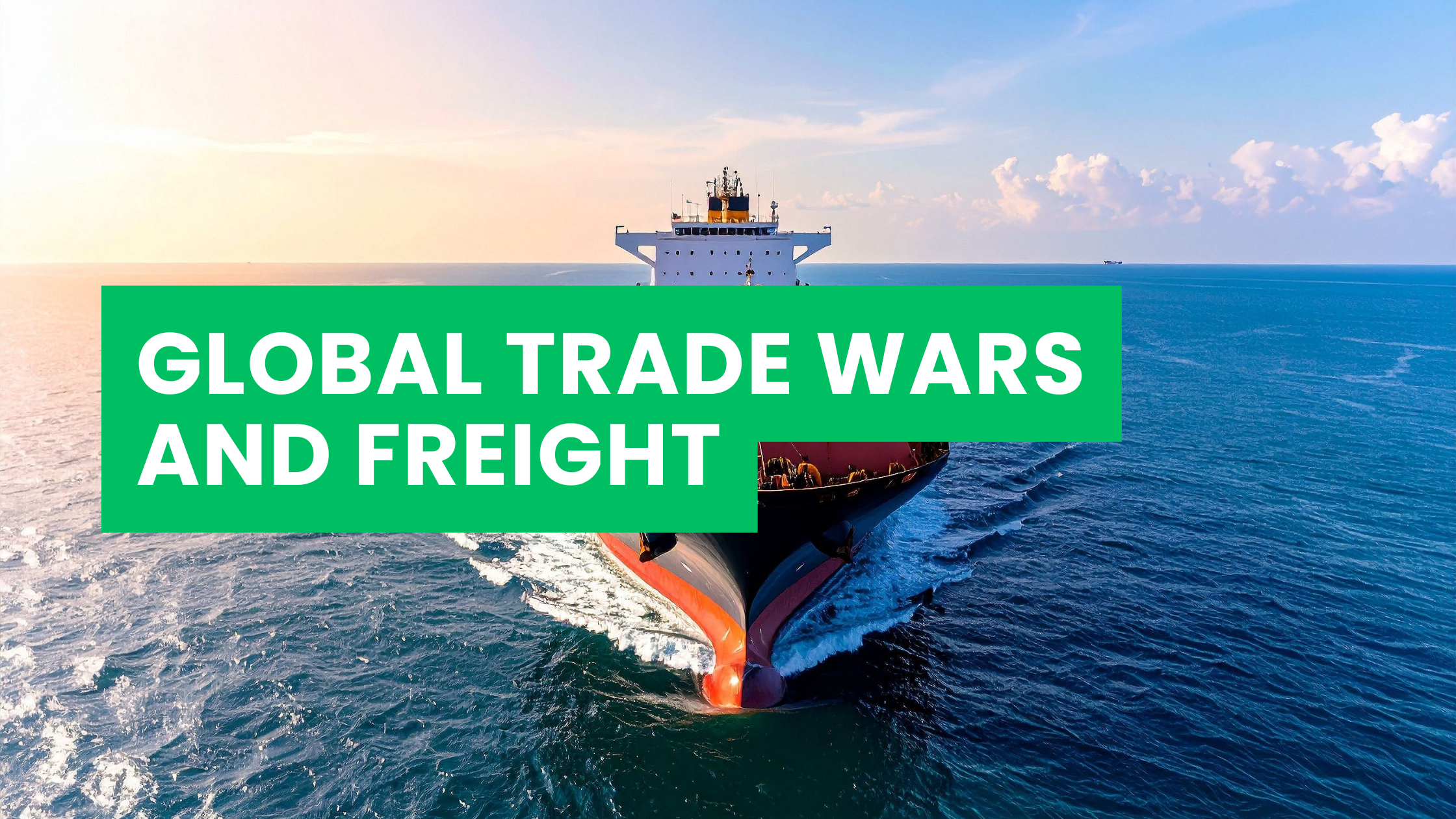
Global Trade Wars and Freight
Global trade has entered a period of sustained uncertainty… Trade wars, geopolitical rivalry, sanctions, tariff escalations, and strategic decoupling are no longer temporary disruptions—they are structural forces reshaping how goods move across borders. For importers, exporters, and logistics professionals, the impact is felt most clearly in freight operations, supply chain planning, and cost predictability. For companies engaged in international trade, understanding the relationship between global trade wars and freight is no longer optional. It is essential for survival, resilience, and long-term growth. At ASL Logistics, we work closely with businesses navigating this volatile environment. This article explores how trade wars affect global freight, the risks they introduce, and the strategies companies can use—supported by experienced logistics partners—to remain competitive in an increasingly fragmented global market. Understanding Modern Trade Wars Trade wars today are fundamentally different from those of the past. They are no longer limited to simple tariff disputes between two countries. Instead, they involve complex layers of economic policy, national security concerns, technology controls, and regulatory barriers. Modern trade conflicts typically include: Each of these measures directly influences freight movement, routing decisions, transit times, and compliance obligations. How Trade Wars Disrupt Global Freight Flows 1. Tariffs Change Shipping Economics Tariffs immediately alter the landed cost of goods. When duties rise suddenly, companies may pause shipments, reroute cargo, or renegotiate contracts. For freight providers, this leads to: Freight planning becomes reactive rather than predictable, increasing operational complexity across the supply chain. 2. Supply Chain Re-Routing and Nearshoring To avoid tariffs or sanctions, many companies relocate sourcing or manufacturing. This has led to: While diversification improves resilience, it also introduces new customs regimes, unfamiliar regulations, and less mature logistics infrastructure—raising the importance of experienced freight partners 3. Increased Customs Inspections and Delays Trade wars bring heightened enforcement. Customs authorities often increase inspections to ensure compliance with: As a result, freight shipments face: Professional customs brokerage and compliance expertise become critical under these conditions. The Impact on Different Freight Modes Ocean Freight Ocean freight remains the backbone of global trade, but it is also the most exposed to geopolitical shifts. Trade wars affect ocean freight by: Shippers must manage longer lead times and higher inventory buffers to compensate for uncertainty. Air Freight Air freight demand often spikes during trade disruptions, especially when companies rush shipments ahead of tariff deadlines or need to bypass congested ports. However, trade wars also create: Strategic air freight planning requires precise coordination between logistics, compliance, and procurement teams. Road and Rail Freight Regionalization of supply chains increases reliance on road and rail freight. While this can reduce exposure to tariffs, it introduces new challenges: Integrated multimodal logistics planning is essential to manage these complexities efficiently. Cost Volatility and Contract Risk Trade wars undermine one of the most critical elements of freight management: cost predictability. Freight buyers face: Long-term contracts become harder to negotiate, while spot market exposure increases. Businesses that lack visibility and strategic freight management often absorb unnecessary cost shocks. Compliance Risk: The Hidden Cost of Trade Wars Beyond freight rates, compliance risk is one of the most underestimated consequences of global trade conflicts. Trade wars introduce: Non-compliance can result in: This is why logistics providers must function not only as transport coordinators, but also as compliance advisors. Strategic Freight Planning in a Trade War Environment 1. Diversified Carrier and Route Strategies Relying on a single carrier, route, or port creates vulnerability. A resilient freight strategy includes: This flexibility allows businesses to adapt quickly when trade policies change. 2. Enhanced Visibility and Data-Driven Decisions In volatile trade environments, real-time visibility is essential. Businesses benefit from: Data-driven logistics decisions reduce reaction time and minimize disruption impact. 3. Customs and Trade Advisory Integration Freight planning cannot be separated from trade compliance. Successful companies integrate: This holistic approach ensures freight moves efficiently while remaining fully compliant. The Role of a Trusted Global Logistics Partner Trade wars expose the limits of transactional logistics relationships. What businesses need today is a strategic logistics partner—one that understands both freight operations and global trade dynamics. A trusted partner provides: This is where experienced global providers deliver the greatest value. How ASL Logistics Supports Businesses During Trade Wars At ASL Logistics, we help companies navigate trade uncertainty with confidence. Our global expertise enables us to design logistics solutions that are resilient, compliant, and cost-effective—even in the most challenging trade environments. Our capabilities include: We do not offer generic logistics. We deliver customized strategies aligned with your trade lanes, regulatory exposure, and business objectives. Preparing for the Future of Global Trade Trade wars are not a temporary phase. They represent a long-term shift toward a more fragmented and politicized global trading system. Businesses that adapt their freight strategies now will be better positioned to compete in the future. Preparation requires: Those who treat logistics as a strategic function—not a cost center—will emerge stronger. Final Thoughts Global trade wars have fundamentally changed the freight landscape. They have increased complexity, raised costs, and introduced unprecedented uncertainty. Yet, with the right strategy and the right logistics partner, these challenges can be transformed into competitive advantages. By combining deep trade expertise, operational excellence, and strategic foresight, ASL Logistics empowers businesses to move goods seamlessly—even when global trade rules are in flux. If your business is navigating trade disruptions, tariff uncertainty, or evolving global regulations, connect with ASL Logistics today. Our team is ready to design customized global logistics solutions that protect your supply chain, control costs, and keep your freight moving—no matter how complex the trade environment becomes.