

In the ever-evolving landscape of global trade and logistics, supply chain leaders are increasingly turning to innovative technologies to stay agile, competitive, and resilient. Among these innovations, digital twins are emerging as a game-changer — revolutionizing how organizations design, monitor, and optimize their end-to-end supply chain operations. For companies like ASL International, which are at the forefront of supply chain innovation and global logistics services, digital twins offer a strategic advantage: the ability to simulate real-world supply chains in a virtual environment, detect issues before they occur, and continuously optimize processes based on real-time data. In this blog, we dive deep into the role of digital twins in transforming supply chain planning and execution — exploring how they work, why they matter, and how businesses can leverage them for smarter, faster, and more resilient operations. What Is a Digital Twin? A digital twin is a virtual representation of a physical object, process, or system that mirrors its real-world counterpart in real time. In the context of supply chains, this could include everything from warehouse operations, transportation networks, and production facilities to entire global supply ecosystems. By integrating data from IoT sensors, ERP systems, logistics platforms, and external sources (like weather and geopolitical feeds), a digital twin creates a dynamic, data-rich replica of the supply chain. This replica can be used to simulate different scenarios, monitor performance, and optimize planning — all before any physical change is made. The Supply Chain Challenge: Complexity, Volatility, and Risk Before understanding how digital twins transform supply chains, it’s important to acknowledge the modern supply chain’s pain points: Traditional supply chain planning tools were never designed to handle this level of complexity and dynamism. That’s where digital twins come in — providing a real-time, predictive, and actionable view of the entire supply chain. Digital Twins in Supply Chain: Key Applications 1. Scenario Planning and Simulation Digital twins allow supply chain leaders to simulate multiple “what-if” scenarios and evaluate outcomes before taking action. Examples include: By simulating these scenarios, businesses can proactively design contingency plans, optimize inventory, and reroute shipments with confidence — significantly reducing decision-making risk. 2. End-to-End Visibility Digital twins bring together data from suppliers, warehouses, carriers, and retailers into one unified platform. This end-to-end visibility helps: ASL International, for example, can use digital twins to provide clients with a transparent, real-time view of cargo movement across international borders — a powerful differentiator in today’s competitive market. 3. Predictive Maintenance and Asset Management In logistics, equipment downtime can be costly. Digital twins of vehicles, containers, or warehouse systems enable: This not only increases operational efficiency but also extends asset life and reduces maintenance costs. 4. Sustainability and Carbon Footprint Analysis Digital twins can track and model the carbon impact of every supply chain decision — from transportation modes to packaging choices. Businesses can use this data to: ASL International’s clients, especially in tech and retail sectors, increasingly value this capability as ESG (Environmental, Social, and Governance) requirements rise globally. The Digital Twin Tech Stack: What Powers It? A functional supply chain digital twin relies on a well-integrated technology ecosystem. Key components include: These technologies work together to create a living, breathing model of your supply chain that evolves with every data point and transaction. Real-World Example: A Digital Twin in Action Consider a global electronics company that partners with ASL International for importing IT hardware into Asia, Europe, and Latin America. The company faces: Using a digital twin, ASL can simulate the entire shipment journey — from manufacturing to final delivery — incorporating variables like: The digital twin identifies that delaying a certain shipment by 3 days would optimize delivery times in high-demand areas and reduce detention charges. It also highlights that using a different port avoids congestion risks during a regional holiday. This level of insight allows the client to make data-driven decisions, avoid costly delays, and keep customers happy. Benefits of Digital Twins for Supply Chain Planning & Execution ✅ Improved Forecast Accuracy By feeding live market and operational data into demand planning, digital twins drastically reduce forecasting errors — helping companies balance inventory more effectively. ✅ Faster Response to Disruption When disruption hits, digital twins offer instant visibility into what’s affected — and simulate alternate options immediately, ensuring continuity. ✅ Better Collaboration Digital twins serve as a shared, single source of truth across departments and partners — improving cross-functional alignment and faster approvals. ✅ Cost Savings Through optimized routing, inventory reduction, and predictive maintenance, digital twins contribute directly to the bottom line. ✅ Customer Satisfaction Fewer delays, faster deliveries, and improved service reliability mean happier customers and stronger brand loyalty. Challenges and Considerations Despite the promise of digital twins, adoption comes with challenges: Companies must assess readiness and build digital maturity gradually — ideally with an experienced logistics and tech partner. The Role of ASL International in Enabling Digital Twin Adoption At ASL International, we understand that digital transformation in supply chains isn’t a one-size-fits-all journey. We work with clients to: With deep experience in IOR, global compliance, and logistics execution, ASL ensures digital twin implementations are grounded in operational reality — and designed for measurable results. The Future: Supply Chains That Think, Predict, and Adapt Digital twins are more than just digital replicas — they’re intelligent systems that evolve, learn, and optimize continuously. As AI advances and real-time data becomes more accessible, we are moving toward self-correcting, adaptive supply chains that can autonomously reroute, reallocate, and replan based on live events. For companies that want to lead rather than follow, now is the time to explore digital twin strategies. Final Thoughts In a world where disruption is constant and complexity is growing, digital twins offer clarity, control, and confidence. They empower supply chain leaders to make smarter decisions, faster — while reducing costs, risk, and environmental impact. At ASL International, we’re proud to be part of this transformation — helping clients navigate the future of logistics with innovation, precision, and agility. Interested in exploring digital twin technology for your

Blockchain for End-to-End Supply Chain Transparency
In today’s globalized and fast-paced logistics landscape, visibility and trust are two critical pillars of supply chain success. Yet, many businesses still struggle with siloed systems, poor data sharing, and lack of real-time insights. Enter blockchain technology—a transformative tool that’s reshaping how companies manage and monitor their supply chains from end to end. As a leader in global logistics and compliance, ASL International is at the forefront of helping businesses harness cutting-edge solutions like blockchain to create more transparent, efficient, and resilient supply chains. This blog explores how blockchain enables true end-to-end transparency, its benefits, challenges, and real-world applications in the logistics world. What is Blockchain and Why It Matters in Supply Chains At its core, blockchain is a decentralized digital ledger that records transactions across a distributed network of computers. Unlike traditional databases, blockchain is immutable, transparent, and tamper-proof. Every transaction or movement in the chain is recorded as a “block” and linked to the one before it—forming a secure, chronological “chain” of data. Key Properties of Blockchain: These features make blockchain especially suited for industries like logistics and supply chain management, where trust, traceability, and accuracy are paramount. The Current Visibility Gap in Supply Chains Despite technological advances, many supply chains are still riddled with blind spots, particularly when goods pass through multiple parties, countries, and regulatory frameworks. These gaps can lead to: Companies using fragmented systems, manual recordkeeping, or third-party intermediaries often lack a single version of truth. Blockchain solves this problem by creating a shared, real-time record that everyone can trust. How Blockchain Enhances End-to-End Transparency 1. Real-Time Tracking and Traceability Each step of a product’s journey—from raw materials to final delivery—can be logged on the blockchain. This gives stakeholders, including suppliers, manufacturers, shippers, retailers, and even end consumers, real-time visibility into: Example: A pharmaceutical company can track temperature-sensitive vaccines from production to point-of-use, ensuring cold chain compliance and reducing the risk of spoilage. 2. Authenticity and Anti-Counterfeiting Blockchain makes it nearly impossible to manipulate records, which is essential for verifying the authenticity of high-value or regulated goods. Smart tags and QR codes can link physical goods to their blockchain identity, preventing the entry of fake or unauthorized products. 3. Automated Smart Contracts Smart contracts are self-executing agreements coded into the blockchain. They automatically enforce terms when certain conditions are met—such as releasing payment when a shipment is delivered and verified. Benefits: 4. Improved Regulatory Compliance Blockchain helps maintain accurate, time-stamped records that are easy to audit. This is crucial in industries with strict import/export, tax, and safety regulations. Customs authorities and compliance officers can access tamper-proof documentation in real time, simplifying inspections and reducing delays. Real-World Applications of Blockchain in Logistics 💡 Maersk and IBM’s TradeLens Platform Maersk partnered with IBM to create TradeLens, a blockchain-based platform that digitizes supply chain documentation and provides end-to-end visibility. It reduced document processing time by up to 40% and improved customs clearance efficiency. 💡 Walmart’s Food Traceability Blockchain Walmart uses blockchain to track food products such as mangoes and pork. With blockchain, it reduced the time to trace the origin of mangoes from 7 days to just 2.2 seconds—a game-changer in managing food safety recalls. 💡 De Beers and Diamond Traceability To prevent conflict diamonds, De Beers launched a blockchain system that traces diamonds from the mine to the retailer, ensuring authenticity and ethical sourcing. Blockchain and ASL International’s Vision for Transparent Supply Chains At ASL International, we understand that transparency is more than a buzzword—it’s a competitive advantage. By integrating blockchain technology into our logistics and Importer of Record (IOR) services, we help businesses: Whether you’re managing cross-border IT hardware imports or shipping high-value equipment into emerging markets, blockchain-enabled visibility ensures your operations remain compliant, efficient, and future-ready. Benefits of Blockchain for Your Supply Chain Benefit How It Helps Transparency Everyone sees the same data in real-time Efficiency Eliminates redundant paperwork and reduces manual errors Trust Immutable records build credibility with partners and clients Resilience Prevents fraud, reduces risk, and improves response time Sustainability Track environmental and ethical sourcing practices Common Challenges with Blockchain Implementation While promising, blockchain adoption in supply chains still faces hurdles: 1. Integration with Legacy Systems Many companies use outdated ERPs and siloed systems that don’t easily integrate with blockchain platforms. ASL helps bridge this gap through tailored digital solutions and APIs. 2. Data Standardization For blockchain to work effectively, data across all parties must be standardized. This requires cooperation and often industry-wide standards. 3. Privacy Concerns In some cases, companies are hesitant to share sensitive transactional data—even in a secure environment. Solutions like permissioned blockchains allow for controlled access. 4. Scalability and Speed Public blockchains can struggle with transaction throughput. However, enterprise-grade platforms like Hyperledger Fabric or Quorum are built to handle high-volume logistics environments. The Future: Blockchain, AI, and IoT Convergence The true power of blockchain will be unleashed when integrated with other frontier technologies like: Together, these technologies create a hyper-connected, intelligent supply chain ecosystem—driven by data, trust, and automation. How to Get Started with Blockchain in Your Supply Chain Thinking about bringing blockchain transparency to your logistics operations? Here’s how to begin: ✅ 1. Assess Your Visibility Gaps Where are the blind spots in your current supply chain? Start by mapping product journeys and identifying data silos. ✅ 2. Partner with a Logistics Innovator Work with a tech-savvy logistics provider like ASL International who can guide implementation, compliance, and integration with existing systems. ✅ 3. Pilot on High-Risk or High-Value Items Start small—focus on a specific product line or trade lane where transparency is most critical, such as pharmaceuticals or electronics. ✅ 4. Standardize Data Across Stakeholders Ensure all supply chain partners use standardized data formats and identifiers. ✅ 5. Measure and Scale Use KPIs like reduced lead time, increased accuracy, and better compliance to evaluate success before rolling out across the organization. Conclusion: Supply Chain Transparency Starts with Trust In an era of global uncertainty, increasing regulations, and consumer demand for ethical sourcing, supply chain transparency is

The Rise of Autonomous Supply Chains: Hype vs. Reality
Introduction In recent years, the term “autonomous supply chain” has gained significant traction in logistics and supply chain management circles. With advancements in artificial intelligence (AI), robotics, and Internet of Things (IoT) technologies, businesses are eager to explore the potential of self-regulating supply chains that minimize human intervention. But how much of this is hype, and what is the actual reality of autonomous supply chains today? This article explores the current landscape of autonomous supply chains, their potential benefits, existing challenges, and whether they are truly feasible in the near future. Defining Autonomous Supply Chains An autonomous supply chain leverages AI, machine learning (ML), automation, and robotics to make real-time decisions without human input. Key components include: While full autonomy remains a distant goal, various industries have already implemented partial automation to improve efficiency and reduce costs. The Hype: What Autonomous Supply Chains Promise Proponents of autonomous supply chains highlight several potential benefits: 1. Increased Efficiency and Speed Automation can significantly reduce lead times, enhance order fulfillment, and optimize inventory levels through predictive analytics. 2. Cost Reduction By minimizing manual labor, businesses can lower operational costs. AI-driven route optimization can reduce fuel consumption, and robotic warehouses can improve productivity. 3. Improved Accuracy AI-powered analytics help mitigate human errors in demand forecasting, order processing, and shipment tracking. 4. Resilience and Adaptability Autonomous systems can respond to disruptions in real time, whether due to supplier issues, weather disruptions, or unexpected demand fluctuations. 5. Sustainability Benefits Smart routing and automated warehouses reduce waste, optimize energy consumption, and lower carbon footprints. The Reality: Challenges in Achieving Full Autonomy Despite the promising benefits, transitioning to a fully autonomous supply chain presents significant challenges: 1. High Implementation Costs Deploying AI-driven systems, robotics, and IoT infrastructure requires massive investment. Many companies struggle to justify these expenses given uncertain returns. 2. Technological Limitations While AI and automation are advancing rapidly, they still require human oversight. AI models need vast amounts of data and cannot always make nuanced decisions in complex situations. 3. Integration Issues Legacy systems in many organizations are not designed to support autonomous operations, making integration complex and costly. 4. Cybersecurity Risks Autonomous supply chains rely on digital networks, making them vulnerable to cyber threats. Hacking or system failures could disrupt entire operations. 5. Regulatory and Ethical Concerns Self-driving trucks, drone deliveries, and AI decision-making pose regulatory hurdles. Governments are still catching up with policy frameworks, making adoption uncertain. 6. Workforce Displacement While automation increases efficiency, it also threatens traditional supply chain jobs. Workforce reskilling and adaptation remain key challenges. Case Studies: Real-World Applications Amazon’s Automated Warehouses Amazon has implemented robotic fulfillment centers where AI-driven robots handle picking and packing. While these systems improve efficiency, human workers are still required for oversight and exception handling. Tesla’s Supply Chain Automation Tesla has attempted to automate significant portions of its production and supply chain. However, CEO Elon Musk admitted that over-reliance on automation initially slowed down production, highlighting the need for a balanced approach. Self-Driving Trucks in Logistics Companies like TuSimple and Waymo are testing autonomous trucks for freight transportation. While promising, these vehicles still require human intervention and are far from mass adoption. The Future: A Hybrid Approach to Autonomy Given the challenges, a fully autonomous supply chain may not be a near-term reality. Instead, the future will likely involve a hybrid model where automation and human expertise work in tandem. Key Trends to Watch: Conclusion While the vision of a fully autonomous supply chain is compelling, the reality is more complex. Current technological advancements offer significant improvements but still require human oversight. Companies should focus on incremental automation and strategic AI integration rather than expecting complete autonomy in the short term. For businesses looking to stay ahead, investing in smart automation while maintaining human expertise is the best path forward. The future of supply chains is not just about replacing humans but creating a synergy between technology and human decision-making. ASL International Logistics: Your Partner in Smart Supply Chain Solutions ASL International Logistics helps businesses navigate the evolving landscape of supply chain automation. With expertise in global logistics, technology-driven solutions, and compliance management, we ensure seamless operations in an increasingly automated world. Ready to optimize your supply chain? Contact ASL International Logistics today!

AI and Machine Learning in Supply Chain Optimization: The Future is Now
Introduction In today’s hyperconnected, globalized world, supply chains are no longer just logistical backbones—they are strategic enablers of business growth, resilience, and customer satisfaction. Yet, as the complexity of global trade intensifies, traditional supply chain models are proving inadequate. Enter Artificial Intelligence (AI) and Machine Learning (ML)—technologies that are revolutionizing how supply chains operate, predict, and adapt in real time. AI and ML are not futuristic concepts anymore; they are already transforming supply chain networks across industries, from manufacturing and retail to IT and telecom. In this blog post, we’ll explore how these technologies are reshaping supply chain optimization, reducing inefficiencies, and creating intelligent ecosystems that adapt and evolve. 1. What is Supply Chain Optimization? Supply chain optimization refers to the application of processes and tools to ensure the most efficient and cost-effective flow of goods, information, and services across a supply network. This includes everything from demand forecasting and inventory management to logistics, warehousing, procurement, and last-mile delivery. Traditional supply chain optimization relied heavily on historical data, manual planning, and reactive decision-making. However, these methods fall short in today’s dynamic environment marked by volatility, unpredictability, and customer expectations for speed and accuracy. 2. The Role of AI and ML in Modern Supply Chains AI is the broader concept of machines or systems simulating human intelligence, while ML is a subset of AI that enables systems to learn from data and improve over time without being explicitly programmed. In supply chain management, AI and ML offer capabilities such as: Together, these tools create a self-optimizing supply chain—a digital, data-driven ecosystem that learns, adapts, and grows in efficiency and resilience. 3. Key Applications of AI and ML in Supply Chain Optimization a) Demand Forecasting and Planning One of the most powerful applications of AI/ML is in demand forecasting. ML algorithms analyze historical sales data, seasonal trends, market dynamics, and even social media sentiment to predict demand more accurately. ✅ Impact: For instance, retail giants like Walmart and Amazon use ML-based models to anticipate customer demand with incredible precision, helping them maintain optimal inventory levels. b) Inventory Optimization ML algorithms dynamically determine safety stock levels, reorder points, and economic order quantities based on real-time variables such as lead times, customer behavior, and supplier reliability. ✅ Impact: These intelligent systems can also trigger automated replenishment, ensuring stock availability without human intervention. c) Supplier Risk Management AI-powered risk modeling tools help assess supplier reliability, detect financial instability, and forecast potential disruption scenarios like political unrest, natural disasters, or compliance violations. ✅ Impact: With real-time data feeds, companies can make informed sourcing decisions and establish multi-sourcing strategies powered by ML simulations. d) Logistics and Route Optimization AI algorithms consider traffic conditions, fuel prices, weather forecasts, and delivery windows to find the most efficient routes and modes of transportation. ✅ Impact: FedEx, DHL, and UPS already use ML tools to continuously optimize delivery routes and vehicle utilization. e) Warehouse Automation and Robotics Computer vision and AI-integrated robots are revolutionizing warehouse management systems (WMS). Smart robots can pick, sort, and pack goods with minimal errors and greater speed. ✅ Impact: ML can also optimize warehouse layout design, slotting strategies, and even predict equipment failure to schedule preventive maintenance. f) Real-Time Visibility and Control Towers AI enables supply chain control towers—centralized digital platforms that offer end-to-end visibility into operations. These towers integrate data from suppliers, logistics providers, and customers to offer actionable insights. ✅ Impact: Real-time alerts and predictive analytics help companies respond to disruptions before they escalate. g) Returns and Reverse Logistics ML models analyze returns data to predict patterns, detect fraud, and optimize reverse logistics networks. ✅ Impact: This is particularly relevant in e-commerce and telecom device replacement programs, where returns are frequent. 4. Real-World Use Cases of AI/ML in Supply Chain Optimization Company Use Case Outcome IBM AI-driven supply chain control tower 20% reduction in disruption impact Siemens ML-based demand planning Increased forecasting accuracy by 30% Maersk AI for route optimization Saved millions in fuel costs Cisco Predictive analytics for supplier risks Reduced downtime in production lines 5. Benefits of AI and ML in Supply Chain Optimization 6. Challenges and Considerations Despite its immense potential, AI adoption in supply chain comes with challenges: However, these challenges are temporary barriers, not roadblocks. With strategic planning, training, and the right partners, organizations can successfully transition to AI-powered supply chains. 7. The Future Outlook The future of supply chain lies in autonomous, self-correcting, and AI-powered systems. Innovations like Generative AI, edge computing, and quantum AI will further reshape the landscape. Emerging trends to watch: As early adopters already reap the rewards, late adopters risk being left behind in a more competitive, data-driven future. Conclusion AI and Machine Learning are no longer optional tools—they are core enablers of next-generation supply chains. From predictive planning and risk management to robotics and real-time visibility, these technologies are transforming how companies compete, scale, and serve their customers. For businesses in IT, telecom, manufacturing, or retail, the message is clear: embrace AI or risk obsolescence. The time to future-proof your supply chain is now.

Attracting and Retaining Talent in the Logistics Industry
The logistics industry is at the heart of global commerce. As the backbone of supply chains, it ensures that goods move seamlessly across borders, through transportation networks, and to the final consumer. However, despite the industry’s central role, it faces significant challenges in attracting and retaining talent. With rapid technological advancements, changing workforce expectations, and a competitive job market, logistics companies are under pressure to rethink their strategies for talent acquisition and retention. This blog post will explore the key challenges the logistics sector faces in attracting and retaining talent and suggest strategies for companies to overcome these challenges. By focusing on employee experience, professional development, and embracing new technology, logistics companies can create a sustainable, skilled workforce ready to meet the demands of the future. 1. The Current State of Talent in Logistics The logistics industry is experiencing a significant talent shortage. According to the World Economic Forum, the global logistics industry faces a deficit of millions of workers, especially in key areas like truck drivers, warehouse staff, and supply chain managers. Factors such as an aging workforce, a lack of awareness of logistics career opportunities, and a competitive job market have compounded this issue. The pandemic further highlighted the industry’s reliance on its workers to keep goods flowing. While many sectors suffered, logistics workers were essential. However, the work environment is often demanding, with long hours and physical labor. These aspects have contributed to a high turnover rate, especially in lower-wage roles, leading to a need for better talent management strategies. 2. Challenges in Attracting Talent 2.1. Perception of Logistics Jobs One of the biggest hurdles the logistics industry faces in attracting talent is the perception of the job. Many people still associate logistics with physically demanding, low-skilled work, often in warehouses or on long-haul truck routes. While this may have been true in the past, the modern logistics industry is evolving. Today’s logistics landscape requires advanced skills, from supply chain optimization to AI-powered data analysis and robotics management. To overcome this perception, logistics companies must actively market the industry as a career of the future, highlighting the tech-driven, innovative side of the business. Offering programs and campaigns that focus on these new skills will help attract a younger, tech-savvy workforce eager to work with cutting-edge technologies. 2.2. Competitive Job Market The logistics industry is competing with other sectors such as technology, healthcare, and finance, which offer attractive compensation packages, career growth opportunities, and flexible work arrangements. As the workforce becomes more mobile and job-hopping is more common, logistics companies need to rethink their approach to talent attraction. 3. Strategies for Attracting Talent 3.1. Showcase Career Growth Opportunities A major factor that employees now consider when choosing a job is the potential for career advancement. Logistics companies must showcase opportunities for growth at every level of the organization, from entry-level to senior management. This could involve developing structured career pathways, offering mentorship programs, or providing employees with the tools they need to acquire new skills, such as certifications or access to training programs. 3.2. Leverage Technology and Innovation The logistics industry is embracing automation, AI, and data analytics at an accelerating pace. Companies can attract talent by showcasing how these technologies are being used to solve real-world problems, improve efficiencies, and create exciting new roles. Highlighting how these technologies are transforming the industry will position logistics as an innovative and future-focused career path. For instance, professionals with backgrounds in IT, data science, or machine learning will be drawn to logistics companies that are using advanced systems to enhance supply chain management or optimize delivery networks. By positioning the company as a leader in tech-driven logistics solutions, organizations can attract talent from the growing pool of tech professionals looking for industry-specific roles. 3.3. Offer Competitive Compensation and Benefits While compensation alone may not be the deciding factor, it plays a significant role in attracting talent. As logistics companies compete with other sectors for skilled workers, offering competitive salaries and attractive benefits packages is essential. In addition to salary, benefits such as health insurance, retirement plans, paid time off, and bonuses can make a big difference in securing top talent. 4. Challenges in Retaining Talent Once logistics companies have successfully attracted talent, the next challenge is to retain them. High turnover rates in the industry are common, with many employees leaving for better pay, career development opportunities, or more favorable working conditions. The turnover rate can lead to higher recruitment and training costs and disrupt daily operations. 4.1. Work-Life Balance Work-life balance has become a crucial factor for employee satisfaction across industries, including logistics. Employees in the logistics sector, particularly truck drivers and warehouse workers, often work irregular hours and long shifts, which can lead to burnout and dissatisfaction. To retain employees, logistics companies need to offer more flexible work arrangements. For example, introducing shift rotations, job sharing, or remote working opportunities for roles that can be done off-site will make the industry more attractive. In some cases, adopting technology that streamlines scheduling, reduces wait times, and minimizes overtime could also help reduce the strain on workers. 4.2. Job Satisfaction and Engagement Logistics companies should also focus on improving employee engagement. Engaged employees are more likely to stay with a company, so fostering a sense of purpose and pride in one’s work is critical. Offering recognition programs, performance bonuses, or opportunities for employees to contribute to decision-making processes can improve job satisfaction and retention. A key part of engagement is regular communication. Regular one-on-one check-ins and team meetings allow employees to voice concerns, ask questions, and share feedback. Open communication also helps management better understand employee needs, which can be crucial in making necessary adjustments to improve retention. 4.3. Professional Development Another important aspect of retention is providing opportunities for continuous learning and professional development. Many logistics employees feel stagnant in their roles, which leads them to seek opportunities elsewhere. Companies can avoid this by offering training programs, skill certifications, and leadership development opportunities. For instance, a logistics company

Promoting Diversity and Inclusion in Supply Chain Leadership
Introduction In today’s interconnected and dynamic global economy, the supply chain industry is evolving at an unprecedented pace. However, while technological advancements and process optimization have taken center stage, there’s another transformation that holds equal—if not greater—importance: the movement toward greater diversity and inclusion (D&I) in supply chain leadership. Historically, supply chain leadership has often lacked representation from diverse backgrounds, especially in terms of gender, ethnicity, age, and socioeconomic status. As the industry becomes more complex and globally integrated, organizations can no longer afford to overlook the immense value that diverse leadership brings to supply chain operations and innovation. This blog post explores the significance of diversity and inclusion in supply chain leadership, the challenges to achieving it, the benefits it brings, and actionable strategies organizations can adopt to create more inclusive leadership structures. Why Diversity and Inclusion Matter in Supply Chain Leadership 1. Better Decision-Making and Innovation A diverse leadership team offers a variety of perspectives, experiences, and problem-solving approaches. In supply chain environments, where decisions often have far-reaching implications across geographies and functions, this diversity of thought leads to better decisions and more creative solutions. McKinsey’s studies consistently show that companies in the top quartile for ethnic and gender diversity in leadership are more likely to outperform their peers in profitability. In supply chain functions, this could translate to improved procurement strategies, more agile logistics planning, and better customer satisfaction outcomes. 2. Enhanced Global Competency Supply chains are global by nature. A leadership team that reflects the diversity of the markets it serves can better understand customer needs, cultural sensitivities, and regional dynamics. This cultural intelligence becomes a competitive advantage in navigating trade complexities and building resilient supplier relationships. 3. Talent Attraction and Retention Modern professionals—particularly younger generations—value inclusivity and social responsibility. Organizations that promote diversity and inclusion not only attract top talent but also experience higher employee engagement and lower turnover. Inclusive workplaces give employees a sense of belonging and purpose, directly impacting performance and morale. Current State of Diversity in Supply Chain Leadership Despite growing awareness, many supply chain organizations still exhibit homogeneity at the leadership level. Women, for example, make up a significant portion of the supply chain workforce but remain underrepresented in executive roles. Similarly, ethnic minorities and individuals from underprivileged socioeconomic backgrounds often face systemic barriers to advancement. According to Gartner’s 2023 report on Women in Supply Chain, women represent only 26% of supply chain executives—a figure that has seen marginal progress over the years. While some progress has been made in mid-level roles, the leadership pipeline still lacks sufficient diversity. Key Barriers to Diversity and Inclusion in Supply Chain Leadership 1. Legacy Hiring Practices Traditional recruitment and promotion practices often favor candidates with similar backgrounds, networks, or education. This unconscious bias perpetuates the cycle of exclusion and limits access for diverse talent. 2. Lack of Mentorship and Sponsorship Many underrepresented groups in supply chain roles lack access to mentors and sponsors who can advocate for their career advancement. Without strong support networks, diverse employees often face slower career progression and fewer opportunities for leadership exposure. 3. Rigid Work Structures Supply chain roles have traditionally required rigid schedules and on-site presence, which can be less accommodating to employees with caregiving responsibilities or other non-traditional needs. This rigidity disproportionately impacts women and caregivers from marginalized groups. 4. Limited Leadership Development Programs Organizations may not have intentional leadership development pipelines tailored to diverse candidates. Without programs that support upward mobility, it’s difficult to bridge the gap between entry-level and executive positions. The Business Case for Inclusive Supply Chain Leadership 1. Increased Resilience and Risk Management Diverse teams are better at anticipating risk and responding to disruptions. In an era where supply chains face geopolitical uncertainties, climate events, and regulatory changes, a broad range of perspectives strengthens strategic planning and adaptability. 2. Stronger Supplier and Partner Relationships Companies with inclusive leadership are more likely to build ethical and equitable supplier networks. Suppliers and partners increasingly value working with organizations that share their commitment to ESG (Environmental, Social, and Governance) principles. 3. Higher Operational Performance A diverse workforce is more engaged and motivated, directly impacting productivity. Research shows that inclusive companies see higher employee satisfaction and efficiency—key drivers of operational excellence in logistics and procurement. Strategies to Promote Diversity and Inclusion in Supply Chain Leadership 1. Reframe Recruitment Strategies 2. Develop Inclusive Leadership Pipelines 3. Build Mentorship and Sponsorship Programs 4. Embrace Flexible Work Models 5. Measure and Report Progress Spotlight: Successful D&I Practices in Leading Supply Chains Several global organizations have made notable strides in building diverse and inclusive supply chain leadership: These companies demonstrate that D&I isn’t just a corporate social responsibility initiative—it’s a core business strategy. The Role of Supply Chain Leaders in Driving Change Leaders at every level play a critical role in cultivating an inclusive culture. Supply chain executives must lead by example, challenge the status quo, and embed D&I principles into every decision—from hiring to strategic planning. Conclusion As supply chains grow more global and complex, the need for inclusive leadership becomes not just a moral imperative—but a business necessity. Diversity and inclusion drive innovation, foster resilience, and position organizations for sustainable success. By breaking down systemic barriers, nurturing inclusive talent pipelines, and embedding equity into supply chain strategy, organizations can build leadership teams that truly reflect the world they serve. Now is the time for supply chain professionals to be bold, intentional, and proactive in their commitment to diversity and inclusion. Because the future of supply chain leadership is not only digital and data-driven—it’s also diverse, inclusive, and human-centered.

Upskilling the Logistics Workforce for a Tech-Driven Future
The logistics sector, once viewed as a traditional, labor-intensive industry, is undergoing a profound transformation. Technology is reshaping supply chains, redefining operational efficiencies, and accelerating global connectivity. As digital tools—from AI and robotics to IoT and blockchain—become more deeply integrated, the logistics workforce must evolve to keep pace. Upskilling is no longer optional; it’s a strategic imperative for future-proofing both employees and organizations. This blog explores why upskilling is critical, what skills are in demand, the barriers to workforce transformation, and how organizations can build a sustainable upskilling ecosystem to thrive in a tech-driven future. The Digital Disruption in Logistics The convergence of digital technologies has created a logistics landscape that is faster, smarter, and more agile. From automated warehouses and AI-driven route optimization to digital twins and predictive analytics, logistics processes are increasingly reliant on tech ecosystems. Some transformative technologies reshaping logistics include: This rapid digitization has created a significant skills gap. While advanced technologies drive efficiency, their adoption is hindered by a workforce that is not fully equipped to operate or manage these tools. The Case for Workforce Upskilling The World Economic Forum estimates that by 2027, 50% of all employees will need reskilling due to the adoption of new technologies. For logistics companies, the cost of not upskilling is steep: reduced competitiveness, rising operational inefficiencies, and employee disengagement. Why Upskilling Matters Now: Key Skills for the Tech-Driven Logistics Workforce The future logistics workforce will need a blend of technical, digital, analytical, and soft skills. Some of the most critical skill areas include: 1. Digital Literacy Basic understanding of digital tools, platforms, and data handling is essential across all roles—from warehouse operators to supply chain planners. 2. Data Analytics & Visualization Ability to interpret data trends, use dashboards, and make data-informed decisions is becoming a core competency. 3. AI & Automation Management Understanding how AI and automation systems work, how to monitor them, and how to collaborate with machines will be key. 4. Cybersecurity Awareness With increased digitization comes the risk of cyber threats. All employees must understand data security protocols and safe digital practices. 5. Change Management and Adaptability Employees must be comfortable with constant change, learning, and innovation. Adaptability will be just as valuable as technical knowledge. 6. Cross-Functional Collaboration Digital logistics is increasingly cross-disciplinary. Workers must collaborate with IT teams, data scientists, and global partners. 7. Project Management and Systems Thinking Employees who can oversee digital transformation initiatives and understand end-to-end supply chain ecosystems will be in high demand. Barriers to Workforce Upskilling Despite the urgent need, several barriers hinder upskilling efforts in logistics organizations: Strategies for Effective Upskilling To overcome these challenges and build a future-ready workforce, logistics organizations must take a holistic, strategic approach to upskilling. 1. Conduct a Skills Gap Assessment Identify current workforce competencies versus the future skill requirements. This allows organizations to create targeted training plans. 2. Build a Learning Culture Encourage continuous learning through leadership support, incentives, and recognition. Make learning part of the daily workflow. 3. Leverage Digital Learning Platforms Use e-learning, virtual simulations, microlearning modules, and mobile apps to deliver flexible and scalable training. 4. Partner with Academia and Tech Providers Collaborate with universities, training institutes, and technology vendors to design curriculum aligned with industry needs. 5. Blend Technical and Soft Skill Training A balanced approach that covers both digital tools and behavioral competencies (communication, leadership, problem-solving) is essential. 6. Offer Clear Career Progression Paths Link upskilling to promotions, certifications, or specialized roles to drive motivation and retention. 7. Train-the-Trainer Programs Develop internal champions who can cascade knowledge across teams and ensure consistent learning delivery. The Role of Leadership in Workforce Transformation Leadership plays a pivotal role in workforce transformation. It starts with creating a vision for digital logistics and aligning the workforce strategy accordingly. What leaders should do: Case Studies: Upskilling in Action 1. DHL’s Digital Bootcamp DHL launched an internal Digital Bootcamp program to equip employees with skills in robotics, data science, and digital logistics. The program uses gamified learning and real-time simulation labs, improving both engagement and retention. 2. Amazon’s Career Choice Program Amazon offers pre-paid tuition and training in high-demand areas like IT support, robotics maintenance, and cloud computing. Employees are encouraged to learn beyond their current job roles, preparing them for the future workforce. 3. Maersk’s Data Academy Global shipping leader Maersk launched a Data Academy to train staff on data analytics and business intelligence. The program upskills employees across functions, enabling data-driven decision-making throughout the supply chain. Looking Ahead: The Human-Machine Partnership The future of logistics is not just digital—it is human-centric. As automation takes over repetitive tasks, human workers will focus on strategic, creative, and relationship-driven roles. Rather than replacing humans, technology will augment their capabilities. To thrive in this new era, logistics organizations must reimagine workforce development—not as a one-time project, but as an ongoing, strategic investment. Conclusion: Building a Future-Ready Logistics Workforce The logistics industry stands at the intersection of transformation and opportunity. By investing in workforce upskilling, companies can unlock productivity, innovation, and sustainable growth. More importantly, they can empower their people to thrive in a rapidly changing world. Upskilling is not just a response to technology—it’s a catalyst for business resilience and human advancement. The logistics leaders of tomorrow will be those who recognize this today.
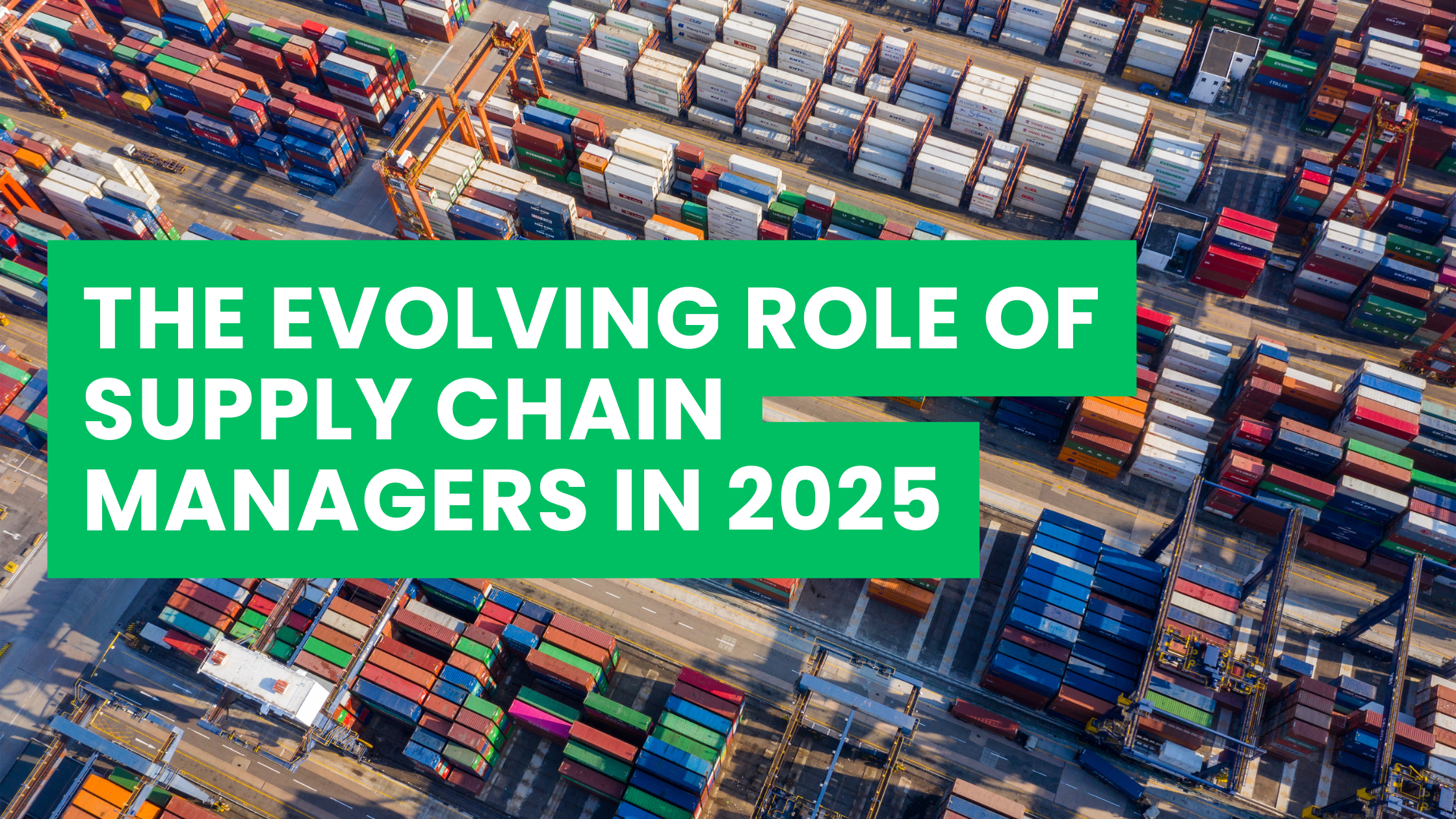
The Evolving Role of Supply Chain Managers in 2025
In an era marked by digital acceleration, geopolitical shifts, climate challenges, and evolving consumer expectations, the role of the supply chain manager has undergone a seismic transformation. By 2025, supply chain leaders are no longer confined to logistics and procurement functions. They have become strategic architects, digital enablers, sustainability champions, and risk mitigation specialists—all while driving agility, visibility, and resilience in increasingly complex global networks. This blog explores the evolving role of supply chain managers in 2025, the skills that define this new era, and the strategic impact they bring to global organizations. 1. From Operational to Strategic Leadership Traditionally, supply chain managers focused on cost control, on-time delivery, and operational efficiency. In 2025, their role is far more strategic. CEOs and boards now recognize the supply chain as a critical value driver and competitive differentiator. Key shift: Supply chain managers are participating in C-suite decision-making, influencing product development, customer experience strategies, and market expansion plans. Their insights on supplier ecosystems, logistics flows, and inventory optimization are pivotal to business agility and growth. Strategic Responsibilities Now Include: 2. Embracing Advanced Supply Chain Technologies Digital transformation has completely reshaped the supply chain landscape. By 2025, supply chain managers must not only understand but also champion emerging technologies to enhance efficiency, visibility, and predictability. Key technologies now shaping the role: Tech-savvy Supply Chain Managers: They are now data translators—connecting tech insights with operational realities and business goals. They work closely with IT, data scientists, and innovation teams to ensure supply chain systems are future-ready. 3. Leading Supply Chain Sustainability Efforts Sustainability is no longer a “nice to have”—it’s a business imperative. Governments, investors, and consumers demand green supply chains. As a result, supply chain managers play a leading role in achieving ESG (Environmental, Social, Governance) targets. Sustainability Integration Includes: In 2025, many organizations link supply chain performance with sustainability KPIs. Managers are expected to balance cost efficiency with eco-impact, driving systemic change across the value chain. 4. Managing Global Risk and Resilience The pandemic, trade wars, and geopolitical tensions revealed the fragility of global supply chains. In 2025, resilience has become a core strategic mandate. Supply chain managers are now risk managers and scenario planners. Critical Responsibilities in Risk Management: Supply chain leaders also work with cross-functional teams to develop agile response strategies—ensuring minimal disruption even in volatile environments. 5. Talent Management and Cross-Functional Collaboration The supply chain function is expanding, and so is the need for diverse skill sets—from data science to sustainability to stakeholder management. In 2025, supply chain managers are also people leaders and collaboration facilitators. Evolving HR Focus: Supply chain managers are investing in continuous learning and knowledge-sharing cultures, ensuring their teams can adapt to rapid changes and contribute proactively to business goals. 6. Orchestrating Customer-Centric Supply Chains Customer expectations are rising. From same-day delivery to product traceability and personalized experiences, supply chains must be more customer-centric than ever. Customer-Focused Responsibilities: By aligning closely with customer behavior patterns, supply chain managers are now playing a direct role in driving customer satisfaction, loyalty, and retention. 7. Leveraging Supplier Ecosystems and Strategic Partnerships In 2025, supply chain managers are ecosystem builders. Success depends not just on internal efficiency but on how well companies collaborate with suppliers, logistics providers, tech vendors, and third-party partners. Ecosystem Management Includes: The ability to manage these interdependencies—both operationally and relationally—has become a core competency of modern supply chain leaders. 8. Governance, Compliance, and Trade Regulation Mastery Supply chain managers must now navigate a labyrinth of global trade regulations, import/export laws, and compliance mandates. Whether it’s IOR services, duty optimization, or export control classifications, regulatory expertise is a must. Key Focus Areas: Managers are increasingly partnering with legal, compliance, and customs specialists to ensure smooth, risk-free global operations. 9. Measuring Supply Chain Performance with New KPIs Traditional KPIs like cost per unit and on-time delivery are no longer sufficient. In 2025, supply chain success is measured through a broader lens that includes agility, sustainability, resilience, and customer impact. Emerging KPIs in 2025: Supply chain managers must align these metrics with business objectives and ensure real-time visibility through advanced dashboards and analytics tools. 10. The Future Outlook: Supply Chain Leaders as Business Innovators Looking ahead, supply chain managers will continue to evolve as innovation leaders. With a strategic seat at the table, they are driving business transformation through: The most successful supply chain managers in 2025 are not just optimizing systems—they are shaping the future of business itself. Conclusion: Redefining the Supply Chain Leader The role of the supply chain manager in 2025 is a fusion of strategy, sustainability, digital leadership, and stakeholder collaboration. As supply chains become more interconnected and dynamic, these professionals are at the forefront of innovation and enterprise value creation. Organizations that empower their supply chain leaders—investing in skills, technology, and strategic alignment—will be best positioned to thrive in this new era of global commerce.

Supplier Diversification Strategies to Reduce Dependency Risks
In today’s dynamic global economy, supply chain resilience has become a critical priority for businesses across industries. The COVID-19 pandemic, geopolitical tensions, and economic instability have exposed vulnerabilities in highly concentrated supply chains. One of the most effective ways to mitigate such risks is through supplier diversification — the strategic approach of sourcing products, components, or services from multiple suppliers instead of relying on a single source. This blog post explores the importance of supplier diversification, various strategies businesses can adopt, the associated benefits and challenges, and how companies can implement a sustainable diversification framework to safeguard their operations. 1. Understanding Supplier Dependency Risk Supplier dependency risk refers to the potential disruptions or adverse impacts a business may face when it relies heavily on a single supplier or a limited number of suppliers for critical goods or services. This risk becomes particularly acute when: Key consequences of supplier dependency include: 2. The Case for Supplier Diversification Supplier diversification minimizes these risks by spreading sourcing across multiple vendors, geographies, and supply chain tiers. A well-diversified supplier base strengthens a company’s resilience and gives it greater leverage in price negotiations and contract terms. Benefits of supplier diversification: 3. Key Supplier Diversification Strategies Businesses can adopt a variety of approaches to achieve effective supplier diversification. Here are some of the most impactful strategies: a. Geographic Diversification Relying on suppliers from a single country or region poses a significant geopolitical risk. Expanding your supplier network across multiple regions reduces vulnerability to trade disputes, regulatory changes, or natural disasters. b. Multi-Supplier Sourcing Instead of awarding entire contracts to one vendor, divide sourcing among several suppliers to reduce dependence. c. Dual Sourcing for Critical Components For mission-critical parts or materials, dual sourcing ensures continuity even if one supplier fails. d. Tier 2 and Tier 3 Supplier Mapping Understand the full supply chain — not just your immediate (Tier 1) suppliers but also their suppliers (Tier 2 and Tier 3). e. Local Supplier Integration Integrating local or regional suppliers can reduce lead times and provide supply chain agility, especially for fast-moving consumer goods (FMCG) or time-sensitive sectors. f. Strategic Partnerships and Supplier Development Building long-term partnerships with a broader supplier base enhances reliability and transparency. Invest in supplier development programs to uplift the capability of small or emerging suppliers. 4. Challenges in Supplier Diversification While diversification is crucial, it is not without its challenges. Companies must be prepared to address the complexities that come with a broadened supplier network. a. Increased Management Complexity Handling multiple suppliers increases administrative overhead, communication complexity, and requires better coordination. b. Quality Consistency Maintaining consistent quality across different suppliers can be difficult. It necessitates robust quality control and standardization processes. c. Higher Costs Diversification may incur initial cost increases due to additional logistics, onboarding, and audits. However, these costs are often offset by long-term risk reduction. d. Data and Transparency Issues Gaining full visibility into multi-tier supplier networks is challenging, particularly in industries with opaque supply chains. e. Supplier Resistance Primary suppliers may resist diversification efforts, fearing loss of business. Managing these relationships tactfully is key. 5. Technology’s Role in Supplier Diversification Advanced technologies play a pivotal role in enabling successful supplier diversification strategies. a. Supply Chain Analytics Data-driven insights help assess supplier performance, risk indicators, and lead times to optimize sourcing decisions. b. Supplier Relationship Management (SRM) Tools SRM platforms centralize supplier data, monitor KPIs, and streamline communications. c. Blockchain for Transparency Blockchain improves visibility and traceability across supply chain tiers, enhancing trust and compliance. d. AI and Predictive Risk Management AI-powered tools forecast supply chain disruptions and suggest mitigation strategies based on real-time data. 6. Building a Sustainable Diversification Framework To implement supplier diversification effectively, businesses should adopt a structured framework: Step 1: Conduct Supplier Risk Assessment Evaluate current supplier dependencies and assess risks using a structured scoring model (e.g., geographic risk, financial health, delivery performance). Step 2: Develop a Diversification Roadmap Set clear objectives for diversification: number of suppliers, target geographies, product categories, and timelines. Step 3: Identify and Qualify New Suppliers Leverage industry directories, trade shows, and B2B platforms to identify potential suppliers. Perform thorough vetting, including quality audits and reference checks. Step 4: Strengthen Supplier Onboarding Develop standardized onboarding procedures with clear documentation, training, and compliance protocols. Step 5: Monitor Performance Continuously Use KPIs such as on-time delivery, defect rates, and responsiveness to monitor supplier performance regularly. Step 6: Foster Collaboration and Innovation Move beyond transactional relationships. Foster innovation by engaging suppliers in product development and process improvement. 7. Real-World Examples of Supplier Diversification Apple Inc. Apple’s supply chain relies on hundreds of suppliers globally. While it initially depended heavily on China, it is now diversifying production to India, Vietnam, and other Southeast Asian countries. Toyota Toyota’s multi-tier supplier system and just-in-time model once exposed it to vulnerabilities. Post-Fukushima, it implemented dual sourcing strategies and increased inventories of critical parts to prevent future disruptions. Unilever Unilever actively sources from local and regional suppliers in developing markets to build more inclusive and resilient supply chains. 8. Final Thoughts Supplier diversification is no longer just a strategic advantage — it’s a business imperative. While the process requires careful planning, investment, and ongoing management, the benefits far outweigh the challenges in the long run. In an era of uncertainty, building a resilient and agile supply chain through supplier diversification not only safeguards operations but also unlocks new avenues for growth and innovation. Companies that embrace diversification today will be better positioned to weather future disruptions, meet customer expectations, and thrive in a competitive global market.

How Data-Driven Insights Enhance Supply Chain Resilience
Introduction In an era of increasing global disruptions—ranging from pandemics and geopolitical tensions to supply shortages and cyber threats—businesses must prioritize supply chain resilience. A resilient supply chain ensures continuity, minimizes disruptions, and enhances competitiveness. Data-driven insights play a crucial role in achieving this by enabling businesses to anticipate challenges, optimize operations, and make informed decisions. This article explores how leveraging data analytics, artificial intelligence (AI), and real-time monitoring enhances supply chain resilience and fosters business sustainability. The Importance of Supply Chain Resilience Supply chain resilience refers to an organization’s ability to anticipate, prepare for, respond to, and recover from disruptions. Key benefits include: The Role of Data-Driven Insights Data-driven insights empower businesses to predict disruptions, streamline processes, and enhance decision-making. Here’s how: 1. Predictive Analytics for Risk Management Predictive analytics uses historical and real-time data to forecast potential supply chain disruptions. Companies can: For example, during the COVID-19 pandemic, organizations that leveraged predictive analytics adjusted their procurement strategies to avoid supplier failures. 2. Real-Time Visibility and Monitoring Real-time data collection through Internet of Things (IoT) sensors, GPS tracking, and blockchain technology provides greater supply chain transparency. Benefits include: Companies like Amazon and FedEx utilize real-time tracking to optimize logistics and ensure on-time deliveries. 3. AI-Driven Demand Forecasting AI-powered demand forecasting helps businesses optimize inventory levels by analyzing: By accurately predicting demand fluctuations, businesses can prevent stockouts and overstocking, thereby reducing carrying costs and improving cash flow. 4. Supply Chain Optimization through Big Data Big data analytics helps in: For instance, Walmart uses big data analytics to optimize inventory levels and reduce wastage, leading to significant cost savings. 5. Supplier Relationship Management with Data Data-driven insights foster stronger supplier relationships by: By leveraging blockchain and AI, businesses can ensure supplier compliance with quality and sustainability standards. 6. Cybersecurity and Data Protection With increased digitization, cyber threats pose a risk to supply chain resilience. Implementing data security measures such as: can help prevent data breaches and ensure uninterrupted operations. Case Studies: Real-World Applications Case Study 1: IBM and Blockchain-Powered Transparency IBM’s Food Trust Blockchain enhances traceability in the food supply chain. It enables retailers like Walmart to track food origins within seconds, preventing contamination outbreaks and improving consumer trust. Case Study 2: Cisco’s Risk Mitigation Strategy Cisco uses predictive analytics to assess supplier risks. By monitoring geopolitical events and economic shifts, Cisco proactively adjusts its supply chain to prevent disruptions. Case Study 3: Amazon’s AI-Driven Logistics Amazon integrates AI, real-time tracking, and robotics to enhance warehouse efficiency and delivery speed. Its data-driven logistics network ensures minimal disruption, even during peak shopping seasons. Implementing a Data-Driven Supply Chain Strategy To build a resilient, data-driven supply chain, businesses should: Conclusion In an increasingly unpredictable world, supply chain resilience is not a luxury but a necessity. Data-driven insights empower businesses to predict disruptions, enhance efficiency, and optimize decision-making. Companies that invest in AI, big data, and real-time monitoring will gain a significant competitive edge by ensuring smooth and uninterrupted operations. By leveraging technology and analytics, businesses can transform their supply chains from reactive to proactive, ensuring long-term sustainability and success.