

The construction industry operates on tight timelines, complex project schedules, and large-scale material requirements. From transporting heavy machinery and oversized components to coordinating the delivery of construction materials across international borders, logistics plays a critical role in the success of construction projects worldwide. Modern infrastructure development depends heavily on reliable supply chains. Whether it is a commercial skyscraper, renewable energy facility, transportation network, or industrial plant, construction companies rely on efficient logistics operations to ensure that materials, equipment, and components arrive on time and in compliance with international regulations. However, construction logistics is significantly more complex than standard freight movement. Projects often involve oversized cargo, heavy machinery, sensitive equipment, strict delivery schedules, and multiple suppliers located in different countries. This is where specialized logistics expertise becomes essential. ASL Logistics provides comprehensive global logistics solutions designed to support the unique demands of construction projects. With expertise in international freight forwarding, customs brokerage, supply chain coordination, and project logistics, ASL Logistics helps construction companies move materials and equipment efficiently across global markets. This article explores the key logistics needs of the construction industry, the challenges businesses face, and how specialized logistics solutions help ensure project success. The Growing Importance of Construction Logistics The global construction industry continues to expand as governments and private organizations invest heavily in infrastructure development. Major projects such as transportation systems, smart cities, renewable energy plants, commercial complexes, and industrial facilities require coordinated supply chains capable of handling large volumes of materials and equipment. Construction logistics refers to the planning, management, and execution of transporting materials, machinery, and resources required for construction projects. It involves coordinating suppliers, manufacturers, shipping carriers, customs authorities, and project teams to ensure seamless delivery. Unlike traditional logistics operations, construction logistics must adapt to highly dynamic environments. Project timelines frequently change, delivery windows can be extremely narrow, and unexpected delays may cause significant cost overruns. An effective logistics strategy helps construction companies: Without reliable logistics management, even well-funded construction projects can face significant delays and operational challenges. Types of Cargo in Construction Logistics Construction projects require a wide variety of materials and equipment sourced from global suppliers. Each type of cargo presents unique transportation requirements and handling considerations. Heavy Machinery and Equipment Construction sites depend on large equipment such as excavators, bulldozers, cranes, graders, loaders, and drilling machines. These machines are often manufactured in specialized industrial hubs and must be transported internationally to project locations. Transporting heavy machinery requires careful planning due to its size, weight, and transportation limitations. Logistics providers must select appropriate shipping methods such as flat-rack containers, roll-on/roll-off vessels, or heavy-lift cargo ships. Proper documentation, customs clearance, and safe handling procedures are essential to ensure the equipment arrives in operational condition. Oversized and Project Cargo Infrastructure projects frequently involve oversized cargo that exceeds standard shipping dimensions. Examples include steel beams, wind turbine components, bridge structures, and prefabricated building modules. These shipments often require special permits, route planning, and escort services to comply with transportation regulations in different countries. Handling oversized cargo requires experienced project logistics specialists who can coordinate complex shipping arrangements and ensure regulatory compliance. Construction Materials Construction materials represent the bulk of shipments involved in building projects. These materials include: These materials must arrive at the construction site according to specific project phases. Delays in material delivery can halt work and create costly disruptions. Efficient supply chain coordination ensures that materials are delivered precisely when needed. Specialized Equipment Modern construction projects rely on advanced technologies such as surveying instruments, geotechnical testing equipment, monitoring systems, and digital construction tools. These devices often require careful handling due to their sensitive nature. Logistics providers must ensure proper packaging, climate-controlled transport when necessary, and secure handling procedures. Key Logistics Challenges in the Construction Industry Construction logistics involves numerous operational and regulatory challenges that must be addressed to ensure successful project completion. Tight Project Deadlines Construction projects operate on strict schedules. Any delay in the delivery of materials or equipment can halt operations and create significant financial consequences. Logistics providers must coordinate shipments carefully to align with construction phases and avoid project disruptions. Real-time tracking, efficient routing, and proactive communication are essential for maintaining delivery timelines. Global Supplier Networks Construction companies often source materials and equipment from multiple countries to optimize costs and quality. This global sourcing strategy introduces additional logistics complexities, including: Managing these complexities requires logistics expertise and strong international networks. Customs Compliance Construction equipment and materials must comply with customs regulations in both exporting and importing countries. Incorrect documentation, classification errors, or missing permits can cause delays at ports and increase project costs. Experienced logistics providers manage the entire customs clearance process to ensure compliance with international trade regulations. Handling Oversized Cargo Many construction components exceed standard shipping dimensions, requiring specialized transport solutions. Oversized cargo transportation may involve: Without proper planning, oversized shipments can encounter regulatory issues and logistical obstacles. Remote Project Locations Many construction projects are located in remote or developing regions where logistics infrastructure may be limited. Delivering equipment to these sites requires careful planning, local expertise, and coordination with regional transportation providers. Reliable logistics partners help overcome infrastructure limitations and ensure successful delivery. The Role of Freight Forwarding in Construction Logistics Freight forwarding plays a critical role in managing the movement of construction materials and equipment across international borders. A professional freight forwarding partner coordinates all aspects of international shipping, including transportation planning, documentation management, customs clearance, and carrier coordination. Key freight forwarding services for construction logistics include: Freight forwarding specialists analyze each shipment’s requirements and determine the most efficient transport strategy. Project Logistics for Large-Scale Construction Projects Large infrastructure projects require comprehensive project logistics planning. Project logistics involves coordinating multiple shipments, suppliers, and transportation modes to support complex construction operations. Project logistics services include: Project logistics specialists develop detailed logistics plans that align with project timelines and construction milestones. Effective project logistics reduces risks, minimizes delays, and ensures consistent material flow throughout the project lifecycle. Supply Chain Visibility in Construction Logistics Construction companies require real-time visibility
IOR Services for Laboratory Equipment
Introduction The global demand for advanced laboratory equipment continues to grow as research institutions, pharmaceutical companies, healthcare organizations, and industrial laboratories expand their capabilities. From high-precision analytical instruments to specialized diagnostic systems, laboratory equipment is essential for innovation, testing, and scientific advancement. However, importing laboratory equipment across international borders is far from simple. Regulatory frameworks, compliance requirements, customs documentation, product certifications, and import licensing can quickly become complex—especially when equipment is shipped to countries where the buyer does not have a registered legal entity. This is where Importer of Record (IOR) services play a critical role. An Importer of Record assumes full legal responsibility for importing goods into a destination country, ensuring compliance with local laws, regulatory standards, tax obligations, and customs procedures. For organizations moving laboratory equipment globally, working with an experienced Importer of Record partner helps eliminate compliance risks, avoid shipment delays, and ensure seamless delivery. ASL Importer Of Record provides specialized IOR services that simplify the importation of laboratory equipment worldwide, enabling businesses to expand operations, support global research initiatives, and deploy equipment efficiently in new markets. Understanding Importer of Record (IOR) Services Importer of Record services are designed to support companies that need to import goods into a country where they do not have a registered entity or where managing regulatory compliance independently is difficult. The Importer of Record is the legally responsible party that manages: For laboratory equipment, this responsibility becomes even more significant due to the specialized nature of the products. Laboratory devices often fall under regulated categories such as: Each category may require unique certifications, import permits, or regulatory approvals depending on the destination country. Without proper compliance management, shipments may face customs holds, fines, or even confiscation. By partnering with ASL Importer Of Record, organizations can ensure that all legal and regulatory requirements are handled professionally, allowing them to focus on their core operations. Why Laboratory Equipment Imports Require Specialized Expertise Importing laboratory equipment is more complex than standard commercial shipments. These products are often high-value, technically sophisticated, and subject to regulatory oversight. Several factors contribute to this complexity. Regulatory Compliance Many countries regulate laboratory equipment due to safety standards, research controls, or healthcare regulations. Equipment used in diagnostics, biotechnology, or pharmaceutical research may require approvals from regulatory bodies before it can be imported. Failure to comply with these requirements can lead to shipment delays or rejected imports. Technical Product Classification Laboratory equipment must be correctly classified under international tariff systems. Incorrect classification can lead to incorrect duty calculations, compliance violations, or customs disputes. An experienced Importer of Record ensures that the equipment is accurately classified and documented. High-Value Shipments Laboratory instruments often cost tens or hundreds of thousands of dollars. Any delay in customs clearance can have serious financial consequences for businesses waiting to deploy equipment. Specialized Documentation Importing laboratory equipment frequently requires additional documentation such as: Managing these requirements requires expertise in global trade compliance. ASL Importer Of Record has extensive experience managing these complexities and ensuring smooth cross-border movement of specialized laboratory equipment. The Challenges Companies Face When Importing Laboratory Equipment Many companies encounter operational and regulatory challenges when attempting to import laboratory equipment internationally. Understanding these challenges highlights the value of professional IOR services. Lack of Local Legal Entity Companies expanding into new markets may need to ship equipment to countries where they do not have a registered business entity. Without a legal entity, they cannot act as the importer. An Importer of Record solves this issue by legally representing the shipment within the destination country. Complex Customs Procedures Each country has its own customs regulations and import requirements. Navigating these rules can be difficult for organizations unfamiliar with local trade regulations. Errors in documentation can result in customs holds or rejected shipments. Compliance Risks Laboratory equipment may fall under regulatory frameworks related to medical devices, environmental monitoring, or chemical testing. Non-compliance can lead to financial penalties and operational disruptions. Delays in Equipment Deployment Research labs, hospitals, and testing facilities often operate on strict timelines. Delays in equipment arrival can disrupt critical operations. Global Supply Chain Coordination Laboratory equipment shipments often involve multiple stakeholders, including manufacturers, logistics providers, customs brokers, and local distributors. Without proper coordination, the process becomes inefficient and prone to errors. IOR services simplify these challenges by centralizing compliance and import responsibilities under one experienced partner. Key Benefits of IOR Services for Laboratory Equipment Using Importer of Record services provides numerous operational and strategic advantages for organizations managing global laboratory equipment deployments. Seamless Market Entry IOR services allow businesses to deliver equipment into countries where they do not have a registered entity. This is particularly valuable for companies expanding research operations internationally. Full Regulatory Compliance An experienced Importer of Record ensures that all regulatory requirements are met before the shipment arrives at the destination port. This proactive compliance approach minimizes customs delays and regulatory risks. Reduced Administrative Burden Managing international trade compliance internally can be time-consuming and complex. IOR services eliminate this burden by handling documentation, customs declarations, and tax obligations. Faster Customs Clearance With proper documentation and regulatory preparation, shipments move through customs faster, reducing downtime and ensuring timely equipment deployment. Cost Efficiency Avoiding customs delays, fines, or shipment rejections helps businesses control logistics costs and maintain operational continuity. The Role of ASL Importer Of Record in Laboratory Equipment Logistics ASL Importer Of Record plays a critical role in supporting global organizations that need to move laboratory equipment across borders. The company offers comprehensive Importer of Record services designed specifically for regulated and high-value equipment. Global Compliance Expertise ASL Importer Of Record maintains deep knowledge of international trade regulations and local compliance requirements in multiple countries. This expertise ensures that laboratory equipment shipments meet all legal and regulatory standards. Documentation Management Accurate documentation is essential for successful imports. ASL manages the complete documentation process, including customs declarations, import permits, and regulatory paperwork. Customs Clearance Coordination ASL works closely with customs authorities and logistics partners to ensure efficient clearance of laboratory equipment shipments. Duty
Logistics in Oil and Gas Sector
The oil and gas industry is one of the most complex and capital-intensive sectors in the world. From upstream exploration to downstream distribution, every stage of operations depends on reliable, precise, and highly coordinated logistics. Equipment, materials, and technology must often be transported across continents, through remote environments, and under strict regulatory frameworks. In this environment, logistics is far more than simply moving cargo from one location to another. It is a strategic function that ensures operational continuity, project efficiency, regulatory compliance, and cost control. ASL Logistics supports energy companies, EPC contractors, and international suppliers by delivering specialized logistics solutions designed specifically for the oil and gas sector. Through global freight forwarding, customs brokerage, supply chain management, and project logistics expertise, ASL Logistics enables businesses to move critical equipment and materials safely, efficiently, and compliantly across borders. This article explores the role of logistics in the oil and gas industry, the challenges involved, and how experienced logistics partners help organizations maintain smooth operations in a demanding global environment. Understanding the Oil and Gas Supply Chain The oil and gas supply chain spans multiple phases, each requiring distinct logistics strategies. These phases include: Each phase involves the movement of highly specialized equipment, hazardous materials, and large-scale infrastructure components. For example, upstream exploration may require the shipment of drilling rigs, seismic equipment, pipes, and heavy machinery to remote offshore or desert locations. Midstream activities often involve pipelines, compressors, and storage systems, while downstream operations depend on steady supplies of refined petroleum products to distribution networks. Because many projects occur in remote or politically complex regions, logistics providers must coordinate international freight movements, customs clearance, regulatory compliance, and last-mile delivery to challenging locations. An experienced logistics partner ensures that these supply chains remain uninterrupted, enabling energy companies to maintain productivity and meet operational timelines. Why Logistics Is Critical to Oil and Gas Operations In the oil and gas sector, delays can cost millions of dollars per day. Equipment failures, drilling interruptions, or delayed installations can halt production and impact entire energy supply chains. Efficient logistics management is essential for several reasons: Maintaining Continuous Operations Oil and gas facilities operate around the clock. Any disruption in the supply of equipment, spare parts, or materials can lead to operational downtime. Logistics teams must ensure timely delivery of components required for drilling, production, and maintenance. Supporting Remote and Offshore Projects Many energy projects take place in remote deserts, offshore platforms, mountainous regions, or politically sensitive areas. Transporting cargo to these locations requires specialized planning, multimodal transport solutions, and coordination with local authorities. Handling Heavy and Oversized Equipment Oil and gas infrastructure often involves extremely large and heavy equipment, including drilling rigs, turbines, compressors, and pipeline components. These shipments require specialized project logistics planning, route surveys, heavy-lift transport, and compliance with local transportation regulations. Managing Regulatory Compliance International energy projects involve strict customs procedures, hazardous materials regulations, and import/export documentation requirements. A knowledgeable logistics partner ensures compliance with global trade regulations while minimizing delays. Ensuring Safety and Risk Management The transport of petroleum products, chemicals, and industrial equipment must adhere to strict safety standards. Proper packaging, handling procedures, and documentation are essential to prevent accidents and environmental hazards. Key Logistics Components in Oil and Gas Projects Oil and gas logistics is a multidisciplinary process involving several interconnected services. Each element must work seamlessly to ensure efficient project execution. Global Freight Forwarding Freight forwarding plays a central role in transporting equipment and materials internationally. Logistics providers coordinate shipments via air, sea, rail, and road to ensure timely delivery. For urgent spare parts or equipment failures, air freight may be required to minimize downtime. For large infrastructure components, ocean freight remains the most cost-effective solution. Multimodal transportation often combines several methods to reach remote destinations. Project Cargo Management Many oil and gas projects involve oversized and heavy cargo. Project cargo logistics requires detailed planning, engineering analysis, and specialized equipment. This may include: Proper project cargo management ensures that complex shipments reach their destination safely and on schedule. Customs Brokerage and Regulatory Compliance International shipments must comply with the import and export regulations of multiple countries. Customs brokerage services ensure that all documentation is accurate and that shipments clear customs without unnecessary delays. In the oil and gas sector, this often involves handling specialized documentation, regulatory permits, and compliance requirements for hazardous materials or controlled equipment. Warehousing and Inventory Management Strategic storage and inventory management are essential for maintaining operational continuity. Warehousing facilities near project sites allow companies to store spare parts, tools, and equipment that may be needed on short notice. Advanced inventory management systems enable companies to track equipment availability and ensure that critical components are readily accessible. Last-Mile Delivery to Remote Locations Delivering equipment to remote drilling sites or offshore platforms requires careful coordination. In some cases, cargo may need to be transported by helicopters, specialized trucks, barges, or temporary road infrastructure. Experienced logistics providers manage these complex delivery operations while ensuring safety and compliance with local regulations. Challenges in Oil and Gas Logistics The oil and gas industry presents unique logistical challenges that require expertise, adaptability, and precise coordination. Remote and Harsh Environments Many energy projects take place in isolated areas where infrastructure may be limited or nonexistent. Transporting equipment through deserts, arctic regions, offshore environments, or dense jungles requires advanced planning and specialized transportation methods. Oversized and Heavy Cargo Equipment used in drilling and production is often extremely large and heavy. These shipments require route planning, engineering assessments, and permits for oversized transport across different jurisdictions. Tight Project Timelines Energy projects operate under strict deadlines. Construction delays or equipment shortages can lead to significant financial losses. Logistics providers must coordinate shipments carefully to ensure that project schedules remain on track. Regulatory Complexity Oil and gas shipments often involve hazardous materials, specialized equipment, or dual-use technologies that are subject to strict international regulations. Navigating these regulatory frameworks requires in-depth knowledge of customs procedures and trade compliance. Supply Chain Disruptions Global supply chains are vulnerable to
Event Logistics Planning
In today’s globalized economy, events have become powerful platforms for businesses to showcase products, launch innovations, connect with partners, and strengthen their market presence. From international trade shows and technology expos to corporate conferences and product launches, events require precise planning and flawless execution. Behind every successful event is a complex logistics operation that ensures equipment, displays, materials, and technical assets arrive at the right place, at the right time, and in perfect condition. Event logistics planning is a specialized area of supply chain management that involves coordinating transportation, customs clearance, temporary imports, storage, installation timelines, and return shipments. Without a structured logistics strategy, even a well-organized event can face costly delays, compliance issues, or operational disruptions. For companies participating in international events, the stakes are even higher. Cross-border regulations, customs requirements, tight delivery schedules, and fragile equipment add layers of complexity. Businesses must work with experienced global logistics partners who understand the unique challenges of event logistics. ASL Logistics supports organizations worldwide with strategic event logistics solutions designed to ensure seamless coordination, regulatory compliance, and timely delivery. By combining global freight expertise with precise operational planning, ASL Logistics enables businesses to focus on the success of their events while the logistics process is handled professionally. This guide explores the key components of event logistics planning, the challenges businesses face, and the strategies that ensure events run smoothly across international markets. Understanding Event Logistics Planning Event logistics planning refers to the structured process of managing the movement, handling, and coordination of materials required for an event. This includes transportation, customs clearance, inventory tracking, storage, and on-site delivery of equipment and materials. Unlike traditional shipping operations, event logistics involves strict timelines and zero tolerance for delays. Materials often must arrive within specific time windows aligned with venue access schedules, setup periods, and technical installation requirements. Event logistics typically includes: A well-structured logistics plan ensures that all materials move efficiently through each stage of the supply chain without disruptions. Why Event Logistics Is More Complex Than Standard Freight Many businesses assume event logistics works the same way as standard freight forwarding. In reality, event logistics involves additional operational challenges that require specialized expertise. Time-Sensitive Delivery Event schedules are fixed. Booth installation, product demonstrations, and opening ceremonies depend on materials arriving on time. Even minor delays can disrupt the entire event setup. Temporary Imports Many events require temporary imports of equipment that will leave the country after the event. This requires specific customs documentation and compliance procedures. Fragile and High-Value Equipment Technology equipment, display systems, lighting rigs, and demonstration units are often sensitive or high-value items that require careful handling and specialized packaging. Multiple Shipment Points Large events may involve shipments coming from multiple countries and suppliers. Coordinating these shipments to arrive simultaneously requires precise logistics management. Limited Venue Access Event venues often have strict loading schedules and space restrictions. Deliveries must be carefully scheduled to avoid congestion and delays. Because of these complexities, businesses rely on logistics providers with experience in handling international event logistics. Key Components of Successful Event Logistics Planning A structured approach to logistics planning ensures every element of the supply chain is aligned with event timelines and operational requirements. 1. Early Planning and Timeline Development Successful event logistics begins months before the event takes place. Planning includes identifying shipment requirements, delivery deadlines, and documentation needs. A detailed logistics timeline typically includes: Early planning reduces the risk of last-minute complications and allows logistics teams to proactively address potential challenges. 2. Freight Forwarding Strategy Selecting the right transportation method is essential for ensuring timely delivery. Event logistics often requires a mix of transportation modes, including: Logistics providers evaluate factors such as shipment size, delivery deadlines, budget constraints, and customs requirements to determine the most efficient shipping strategy. 3. Customs Clearance and Trade Compliance Cross-border events involve customs procedures that must be carefully managed to avoid delays. Common customs requirements for event shipments include: Proper documentation ensures shipments move smoothly through customs and arrive at the event venue without regulatory issues. Experienced logistics providers work closely with customs authorities to ensure compliance with local import regulations. 4. Specialized Packaging and Protection Event equipment often includes delicate materials such as electronics, demonstration devices, and exhibition displays. Improper packaging can lead to damage during transit. Professional event logistics planning includes: Proper packaging reduces the risk of damage and ensures materials arrive ready for installation. 5. On-Site Delivery and Venue Coordination Delivering shipments to an event venue requires precise coordination with venue management and event organizers. Logistics teams must consider: Coordinating these factors ensures materials are delivered directly to the correct location within the venue, reducing setup delays. 6. Inventory Tracking and Shipment Visibility Real-time shipment tracking is essential for managing event logistics effectively. Businesses need visibility into the location and status of shipments throughout the transportation process. Modern logistics solutions provide: Shipment visibility allows businesses to anticipate potential delays and adjust plans accordingly. 7. Reverse Logistics After the Event Once the event concludes, equipment and materials must be safely returned to their origin or shipped to the next destination. Reverse logistics planning includes: Efficient reverse logistics ensures materials return safely and can be reused for future events. Common Challenges in Event Logistics Despite careful planning, event logistics often presents operational challenges. Understanding these risks allows businesses to develop proactive solutions. Tight Delivery Windows Event venues typically allow limited time for unloading and installation. Missed delivery slots can delay setup and increase costs. Customs Delays Incomplete documentation or regulatory issues can cause customs clearance delays, putting event schedules at risk. Multi-Country Coordination Large international events often involve shipments from multiple countries, requiring synchronized transportation planning. Unexpected Regulatory Requirements Some countries impose special import requirements for exhibition materials, electronics, or promotional goods. Equipment Damage Improper handling or packaging can lead to damaged equipment, affecting product demonstrations or displays. Working with experienced logistics professionals helps mitigate these risks through proactive planning and operational expertise. Best Practices for Event Logistics Success Businesses can significantly improve event
How to Handle Logistics Disruptions
Global trade has never been more interconnected—or more vulnerable to disruption. From port congestion and geopolitical tensions to extreme weather and sudden regulatory changes, supply chains face challenges that can interrupt the movement of goods across borders. For importers, exporters, procurement leaders, and supply chain professionals, logistics disruptions are no longer rare events; they are operational realities that require strategic planning and resilient logistics partnerships. Organizations that respond effectively to disruptions maintain customer satisfaction, protect revenue, and strengthen market competitiveness. Those that fail to adapt risk delays, financial losses, compliance issues, and damaged reputations. This is where experienced logistics partners play a critical role. Companies like ASL Logistics, with expertise in global freight forwarding, customs brokerage, and supply chain management, help businesses anticipate disruptions and build systems that ensure continuity even during challenging circumstances. This guide explores the causes of logistics disruptions, their impact on global trade, and the practical strategies businesses can use to manage and mitigate supply chain interruptions. Understanding Logistics Disruptions in Global Trade Logistics disruptions occur when the planned movement of goods through the supply chain is interrupted. These interruptions may occur during manufacturing, transportation, customs clearance, warehousing, or final delivery. Modern supply chains depend on complex networks that span multiple countries, transportation modes, and regulatory systems. Because of this complexity, even small disruptions can cascade across the entire supply chain. Common disruptions include: For global companies moving products across continents, disruption management has become a core supply chain capability rather than a reactive emergency response. Organizations that proactively plan for disruptions can reduce financial losses and maintain operational stability during uncertain conditions. The Most Common Causes of Logistics Disruptions Understanding the root causes of logistics interruptions allows businesses to develop preventive strategies. 1. Port Congestion and Transportation Bottlenecks Major global ports handle enormous volumes of cargo daily. When ports experience congestion due to labor shortages, increased shipping demand, or operational inefficiencies, cargo may remain stuck for days or weeks. These delays can create ripple effects across supply chains, affecting production schedules and customer deliveries. Transportation bottlenecks also occur on: Companies that rely on a single shipping route often experience the greatest impact during such disruptions. 2. Geopolitical and Regulatory Changes International trade operates within complex regulatory frameworks. Sudden policy changes can disrupt established logistics routes and documentation requirements. Examples include: Businesses shipping globally must continuously monitor regulatory developments to avoid delays and compliance risks. Experienced customs brokers and logistics partners help companies navigate these changes and maintain compliant supply chains. 3. Natural Disasters and Extreme Weather Severe weather events can disrupt transportation infrastructure and halt cargo movement. Hurricanes, floods, earthquakes, and winter storms can close ports, airports, and roads. Climate-related disruptions are increasing in frequency and intensity, making resilience planning essential for international logistics operations. Businesses operating without contingency plans may face extended delays when transportation networks are affected by environmental events. 4. Capacity Constraints and Equipment Shortages Global supply chains depend on equipment such as shipping containers, cargo aircraft, trucks, and specialized handling units. During periods of high demand, shortages can occur, leading to increased freight rates and limited transportation availability. Capacity disruptions frequently occur in: Businesses that plan shipments early and secure logistics capacity through reliable partners can avoid last-minute shipping challenges. 5. Supply Chain Dependencies Many companies rely on single-source suppliers or centralized manufacturing hubs. When production delays occur at these locations, the entire supply chain may slow down. This risk becomes particularly visible during global crises when manufacturing hubs experience shutdowns or workforce shortages. Supply chain diversification is increasingly becoming a critical strategy to reduce dependency-related disruptions. The Business Impact of Logistics Disruptions When logistics disruptions occur, the consequences can extend far beyond delayed shipments. Financial Losses Delays can increase transportation costs, storage fees, and penalties from customers. Businesses may also lose revenue when products fail to reach markets on time. Production Interruptions Manufacturers relying on just-in-time inventory models may halt production when components fail to arrive as scheduled. Customer Dissatisfaction Late deliveries can damage relationships with customers and distributors, especially in competitive industries where reliability is essential. Compliance Risks Unexpected changes in documentation or customs procedures can lead to regulatory violations, fines, or shipment seizures. Supply Chain Instability Repeated disruptions can create long-term operational uncertainty, making it difficult for companies to maintain predictable delivery schedules. Businesses that implement structured disruption management strategies significantly reduce these risks. Proactive Strategies to Manage Logistics Disruptions Successful organizations treat disruption management as an ongoing supply chain strategy rather than a reactive solution. Below are key strategies that help businesses maintain logistics continuity. Build Supply Chain Visibility Visibility is the foundation of disruption management. Companies must know where their shipments are, what stage they are in, and whether potential risks exist. Real-time shipment tracking enables businesses to: Advanced logistics providers integrate digital tracking systems that provide end-to-end shipment visibility. This transparency enables supply chain managers to make faster, data-driven decisions during disruptions. Diversify Transportation Routes and Modes One of the most effective ways to reduce disruption risk is to diversify transportation options. Companies relying solely on one shipping route or one transportation mode may experience severe delays when disruptions occur. Diversification strategies include: Flexible logistics networks allow businesses to reroute shipments quickly when disruptions arise. Global logistics partners help identify alternative routes and coordinate complex transportation adjustments. Strengthen Supplier and Vendor Networks Supplier diversification reduces risk when disruptions occur in manufacturing regions. Businesses can strengthen resilience by: These measures ensure that production can continue even if one supplier experiences operational disruptions. Procurement leaders increasingly prioritize supplier flexibility and reliability alongside cost considerations. Implement Risk Assessment and Scenario Planning Supply chain disruptions are unpredictable, but their impact can be reduced through scenario planning. Risk assessment involves identifying vulnerabilities in logistics operations and preparing contingency strategies. Organizations should evaluate: Scenario planning allows companies to prepare action plans for potential disruption events. Businesses that regularly review supply chain risks are better equipped to maintain operational stability during crises. Maintain Strategic Inventory Buffers Just-in-time inventory systems improve efficiency
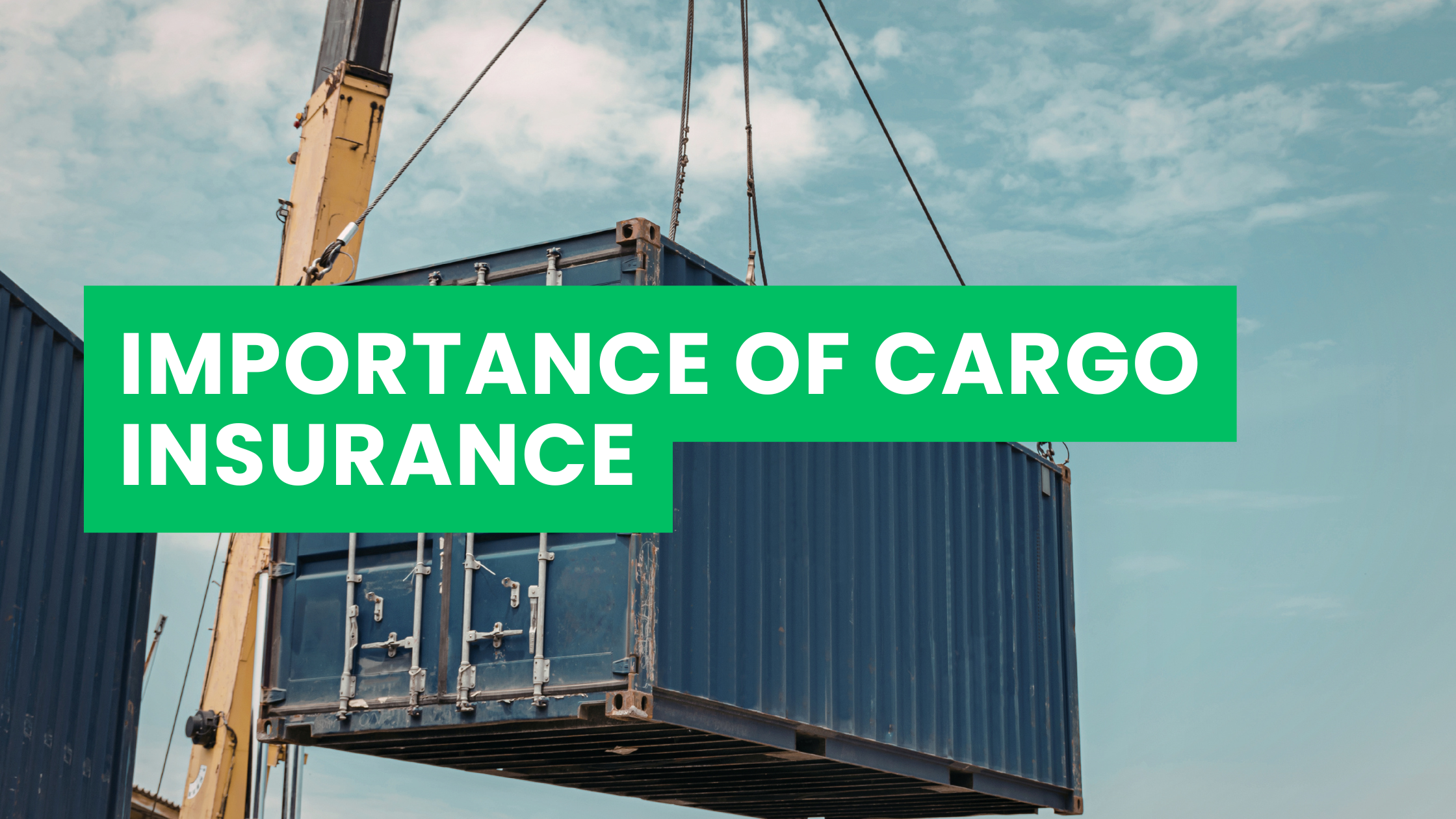
Importance of Cargo Insurance
Global trade moves at the speed of opportunity. Businesses source raw materials from one continent, manufacture in another, and deliver finished products worldwide. While international logistics enables this growth, it also exposes cargo to risks at every stage of the journey. From port congestion and severe weather to theft, handling damage, and geopolitical disruptions, goods in transit face unpredictable challenges. The financial consequences of a single uninsured shipment can ripple across a company’s balance sheet, disrupt supply chains, and damage customer relationships. Cargo insurance is not a luxury. It is a strategic risk management tool. For importers, exporters, procurement leaders, and supply chain managers, understanding the importance of cargo insurance is essential to building resilient and profitable global operations. At ASL Logistics, we help businesses protect their shipments, minimize financial exposure, and maintain continuity across international supply chains. This article explores why cargo insurance matters, how it works, and how businesses can use it to strengthen global trade performance. Understanding Cargo Insurance Cargo insurance provides financial protection against physical loss or damage to goods while in transit. It covers shipments transported by sea, air, rail, or road, whether domestic or international. Unlike carrier liability, which is limited and governed by international conventions, cargo insurance protects the full declared value of goods. This distinction is critical. Carrier Liability vs. Cargo Insurance Many businesses assume that freight carriers automatically cover cargo in full. This is a costly misconception. Carriers operate under liability conventions that limit compensation based on weight or standardized formulas—not the commercial value of goods. For high-value shipments such as electronics, medical equipment, automotive components, or luxury goods, these limits are often insufficient. If a $100,000 shipment is damaged and the carrier’s liability cap allows only partial compensation, the shipper bears the financial loss. Cargo insurance fills this gap. It ensures that businesses recover the actual value of goods, protecting margins and financial stability. Why Cargo Insurance Is Essential in Global Trade 1. Protection Against Financial Loss Global logistics involves multiple handling points—factories, warehouses, ports, airports, customs facilities, and last-mile delivery hubs. Each transfer increases risk. Losses can occur due to: Without cargo insurance, these incidents directly impact profitability. With cargo insurance, businesses safeguard revenue and preserve working capital. 2. Risk Management in an Uncertain World The global supply chain has become more complex and interconnected. Political instability, labor strikes, extreme weather events, and infrastructure disruptions can interrupt transit routes with little warning. Supply chain leaders must plan for volatility, not perfection. Cargo insurance forms part of a broader risk mitigation strategy that enables organizations to: In a competitive global environment, resilience is a strategic advantage. 3. Protection of Profit Margins International trade operates on tight margins. A single uninsured incident can eliminate profits from multiple successful shipments. For procurement heads and finance leaders, protecting gross margins is critical. Cargo insurance ensures that unexpected damage does not turn profitable transactions into losses. This stability supports better forecasting, stronger cash flow management, and improved financial reporting. 4. Compliance with Trade Contracts and Incoterms Global trade agreements often specify responsibility for cargo risk based on Incoterms. Depending on whether goods are sold under FOB, CIF, EXW, DDP, or other terms, the responsibility for insurance may shift between buyer and seller at different stages of transit. Failure to secure appropriate coverage can result in: Professional cargo insurance planning ensures compliance with contractual obligations and reduces commercial risk. 5. Enhancing Customer Confidence Reliable delivery builds trust. When customers know that shipments are protected, they gain confidence in the supply chain. In industries such as pharmaceuticals, electronics, aerospace, and industrial manufacturing, reliability is a competitive differentiator. Cargo insurance reinforces a company’s commitment to safeguarding products and delivering on time, even when disruptions occur. Common Risks in International Logistics Understanding the types of risks faced in global shipping highlights why insurance is necessary. Physical Damage Improper handling, vibration, stacking pressure, or inadequate packaging can result in damage. Even well-packaged cargo can be compromised during container loading or unloading. Weather-Related Loss Storms, heavy rainfall, flooding, and extreme temperatures can damage goods in transit. Ocean freight, in particular, is exposed to unpredictable maritime conditions. Theft and Pilferage High-value cargo is vulnerable to organized theft, particularly during road transport or at unsecured terminals. General Average In maritime shipping, if a vessel encounters danger and cargo must be sacrificed to save the voyage, all cargo owners share the financial burden. Even undamaged cargo can incur significant charges. Without insurance, businesses must pay these costs before goods are released. Delays and Supply Chain Disruption While cargo insurance primarily covers physical loss or damage, certain policies can be extended to address additional risk exposures. Tailored solutions are essential for comprehensive protection. Types of Cargo Insurance Coverage Cargo insurance policies vary based on risk appetite, shipment value, and trade routes. All-Risk Coverage This provides broad protection against most physical loss or damage unless specifically excluded. It is the most comprehensive option and is often recommended for high-value or sensitive cargo. Named Perils Coverage This policy covers only specific risks explicitly listed in the contract. While less expensive, it may leave gaps in coverage. Open Cargo Policies Designed for businesses shipping regularly, open policies cover multiple shipments over a defined period. This approach reduces administrative burden and ensures consistent protection. Single Shipment Coverage Suitable for occasional exporters or project-based cargo movements. Selecting the right policy requires a clear understanding of supply chain structure, cargo characteristics, and trade routes. The Cost of Not Having Cargo Insurance The true cost of uninsured cargo goes beyond immediate financial loss. It may include: For small and mid-sized enterprises, a single uninsured incident can threaten business continuity. For large corporations, repeated losses erode shareholder confidence and operational efficiency. Cargo insurance is a small percentage of shipment value compared to the financial risk it mitigates. Cargo Insurance Across Different Modes of Transport Ocean Freight Maritime shipping handles the majority of global trade volume. Risks include heavy weather, container loss overboard, fire, and general average contributions. Air Freight Air transport
Managing Political Risks in Global Logistics
Global trade has never been more interconnected — or more vulnerable to political disruption. For importers, exporters, and multinational businesses, political instability can halt shipments, inflate costs, disrupt supply chains, and threaten long-term growth. From sudden tariff changes and sanctions to civil unrest, regulatory shifts, and border restrictions, political risk has become one of the most critical variables in global logistics management. For organizations operating across continents, managing political risks is not optional. It is a strategic necessity. At ASL Logistics, we work with businesses worldwide to design resilient, compliant, and adaptive supply chain strategies. In this comprehensive guide, we explore what political risk means in global logistics, how it impacts international trade, and the proven strategies businesses can use to protect their operations. Understanding Political Risk in Global Logistics Political risk refers to the possibility that political events, decisions, or instability in a country may negatively affect business operations. In global logistics, this can include: These disruptions often occur with little warning and can affect: Political risk does not only impact companies operating in high-conflict regions. Even stable economies can introduce regulatory changes that affect supply chains overnight. Why Political Risk Is a Growing Concern Global supply chains are more complex than ever. Businesses rely on: When a political event disrupts one node in the supply chain, ripple effects can spread across multiple regions. In recent years, businesses have faced: These realities demand a proactive, structured approach to political risk management. Key Types of Political Risks in International Logistics 1. Trade Policy Changes Governments can alter tariffs, quotas, or trade agreements without long transition periods. These changes can: For example, a sudden tariff increase on electronic components can disrupt production for manufacturers dependent on overseas suppliers. 2. Sanctions and Embargoes Sanctions can prohibit trade with specific countries, companies, or individuals. Violating sanctions can result in: Businesses must ensure strict compliance screening across all shipments and counterparties. 3. Political Instability and Civil Unrest Protests, government transitions, or regional conflicts can: Even short-term instability can create weeks of backlog in global logistics chains. 4. Regulatory and Compliance Changes Governments frequently update: Failure to adapt quickly can result in cargo holds, penalties, or denied entry. 5. Currency Controls and Financial Restrictions Some countries impose currency conversion restrictions or limit foreign currency transactions. These controls can: Logistics providers must coordinate closely with finance teams to manage these constraints. The Business Impact of Political Risk Political disruptions affect more than shipping schedules. They directly impact financial performance and strategic growth. Increased Operational Costs Unexpected duties, rerouting, demurrage, warehousing, and compliance costs can rapidly erode margins. Supply Chain Disruption Production lines can stop if critical components are delayed. Inventory shortages damage customer trust. Contractual Liabilities Late deliveries may trigger penalties or breach-of-contract claims. Reputational Risk Customers expect reliability. Persistent disruptions without contingency planning can damage long-term relationships. Compliance Exposure Regulatory violations, even unintentional ones, can lead to severe penalties. For businesses operating globally, unmanaged political risk can escalate quickly from operational inconvenience to strategic crisis. Strategic Approaches to Managing Political Risks Managing political risk requires structured planning, expert oversight, and agile execution. Below are proven strategies used by resilient global organizations. 1. Diversify Sourcing and Supply Chains Overreliance on a single country or supplier significantly increases exposure. Businesses should: Supply chain diversification reduces dependency and ensures continuity during disruptions. 2. Implement Scenario Planning and Risk Mapping Proactive organizations conduct risk mapping across all supply chain nodes. This includes: Scenario planning allows companies to simulate potential disruptions and prepare contingency plans in advance. 3. Strengthen Customs and Compliance Management Political risk often manifests through regulatory change. Strong customs brokerage expertise ensures: Experienced customs professionals play a critical role in protecting global shipments. 4. Build Flexible Logistics Networks Rigid routing structures increase vulnerability. Flexible networks include: If one route closes due to political events, shipments can be rerouted efficiently. 5. Invest in Real-Time Visibility Technology-driven visibility systems enable: Without visibility, companies react too late. With data intelligence, they act early. 6. Secure Political Risk Insurance Insurance products can protect against: While insurance does not eliminate operational disruption, it reduces financial exposure. 7. Develop Strong Local Partnerships Local expertise is invaluable in politically complex environments. Trusted logistics partners provide: Global reach combined with local knowledge strengthens resilience. 8. Maintain Strategic Inventory Buffers Just-in-time models reduce holding costs but increase vulnerability during political disruptions. Strategic safety stock in critical regions can: Inventory strategy should align with political risk exposure. 9. Monitor Geopolitical Developments Continuously Political risk management is not a one-time assessment. It requires continuous monitoring. Key areas to track include: Regular updates enable early intervention. 10. Align Procurement, Legal, and Logistics Teams Political risk spans multiple business functions. Integrated coordination ensures: Siloed departments increase vulnerability. Collaboration enhances protection. Building a Politically Resilient Supply Chain Framework A structured political risk framework should include: This structured approach transforms political risk management from reactive firefighting into proactive strategy. How ASL Logistics Supports Political Risk Management Managing political risk requires global expertise, operational agility, and regulatory depth. ASL Logistics supports clients through: Global Freight Forwarding with Route Flexibility We design multi-route transportation strategies across air, ocean, and land networks to minimize exposure to regional instability. Advanced Customs Brokerage and Compliance Our specialists monitor regulatory changes and sanctions developments to ensure compliant, seamless clearance. End-to-End Supply Chain Solutions From sourcing to final delivery, we help businesses structure diversified and resilient logistics frameworks. Risk Monitoring and Advisory We provide ongoing risk insights, route assessments, and strategic planning to help clients adapt quickly. Strategic Warehousing and Distribution Regional warehousing options enable buffer inventory and alternative fulfillment strategies during disruptions. Strong Global Partner Network Our international presence ensures local intelligence and operational agility across key markets. Practical Example: Managing Sudden Trade Restrictions Consider a scenario where a country unexpectedly increases tariffs on imported machinery components. Without preparation: With structured risk management: The difference lies in preparation and expert coordination. Political Risk Is Now a Core Supply Chain Metric Businesses once viewed political disruption as rare.
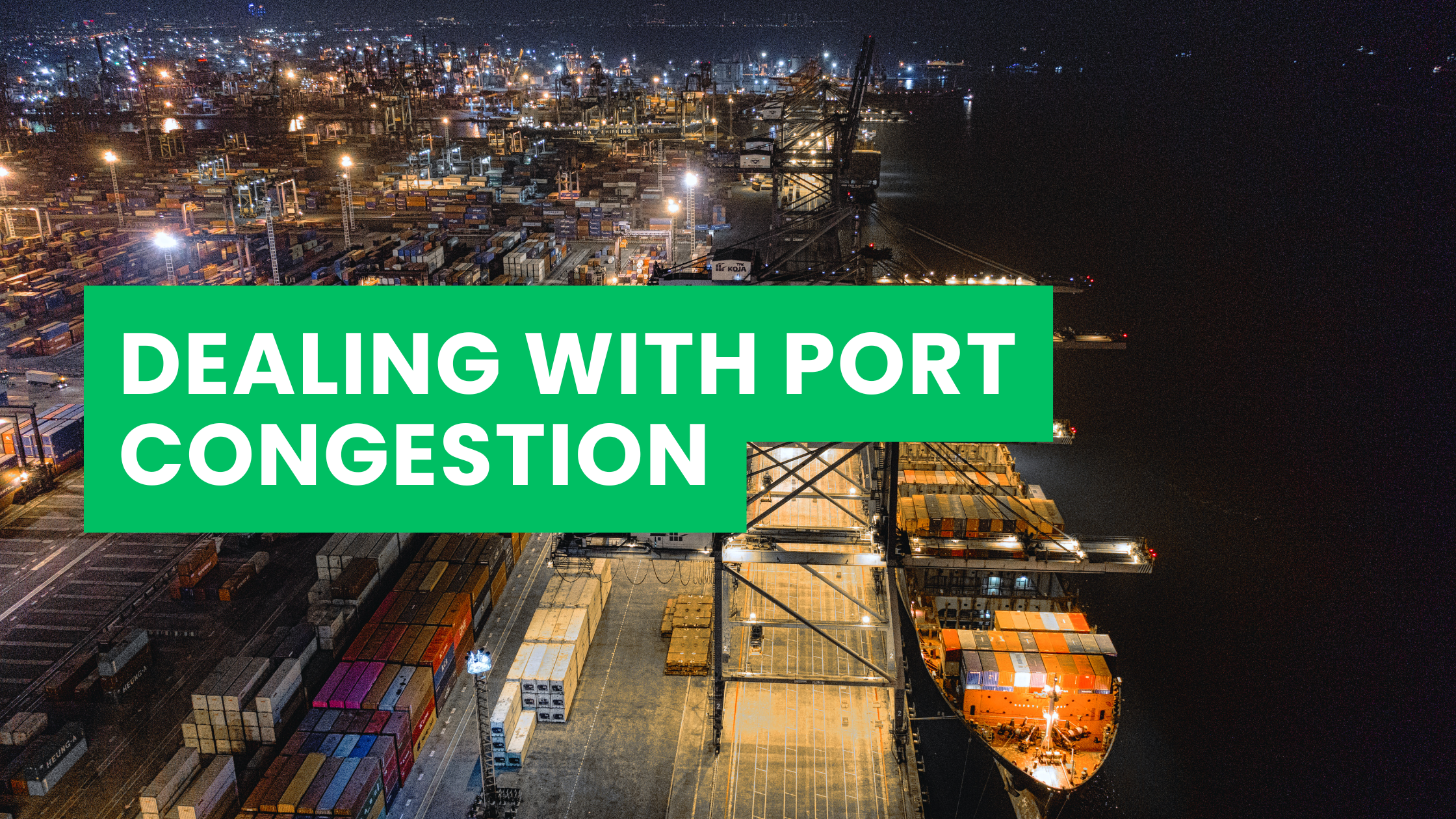
Dealing with Port Congestion
Port congestion has become one of the most persistent and complex challenges in global trade. For importers, exporters, and supply chain leaders, congestion is not just an operational inconvenience—it directly impacts cost structures, delivery reliability, customer commitments, and overall business performance. As global trade volumes fluctuate and shipping networks evolve, the ability to manage port congestion effectively has become a defining factor in supply chain resilience. At ASL Logistics, port congestion is addressed through structured planning, global carrier coordination, multi-modal flexibility, and deep customs expertise. Understanding the causes, consequences, and mitigation strategies behind port congestion allows businesses to maintain control even in volatile trade environments. What Is Port Congestion? Port congestion occurs when cargo volumes exceed a port’s handling capacity. This imbalance leads to vessel queues, container backlogs, yard overcrowding, and extended dwell times. Congestion may appear as: While congestion can be temporary, its ripple effects often extend across global supply chains for weeks or months. Primary Causes of Port Congestion Port congestion rarely stems from a single factor. It is usually the result of overlapping operational, economic, and regulatory conditions. 1. Surges in Cargo Volume Sudden increases in import or export activity—driven by seasonal demand, economic stimulus, or shifting trade patterns—can overwhelm port infrastructure. Peak seasons often amplify this pressure, particularly for retail, electronics, and consumer goods sectors. 2. Vessel Schedule Disruptions When shipping lines experience delays in one region, the disruption cascades across subsequent port calls. Late vessel arrivals compress terminal handling windows and reduce operational efficiency. Blank sailings, schedule changes, and port omissions further complicate planning. 3. Labor Constraints Port operations depend heavily on skilled labor. Labor shortages, strikes, or productivity slowdowns can significantly reduce throughput capacity. Even minor reductions in crane productivity can lead to substantial vessel queues. 4. Equipment Imbalances Container shortages, chassis limitations, and railcar constraints restrict cargo movement beyond the terminal. When containers cannot exit quickly, yard congestion intensifies. Equipment repositioning delays often exacerbate congestion in import-heavy regions. 5. Inland Transportation Bottlenecks Ports function as part of a broader logistics ecosystem. When trucking networks, rail corridors, or distribution centers face capacity limitations, container evacuation slows. This creates yard overcrowding, preventing new vessels from discharging cargo efficiently. 6. Regulatory and Inspection Delays Increased customs inspections, documentation errors, or compliance audits can extend cargo dwell times. When containers remain uncleared, they occupy valuable terminal space. Efficient customs brokerage becomes critical in minimizing administrative delays. The Financial Impact of Port Congestion Port congestion significantly increases logistics costs. Businesses often underestimate the cumulative financial burden. Direct Costs Indirect Costs For procurement heads and finance teams, congestion-related expenses can erode margins quickly. Operational Consequences Across Supply Chains Port congestion disrupts more than just ocean freight schedules. Its impact spreads across multiple operational layers. Inventory Imbalances Delayed inbound shipments create shortages at manufacturing facilities and distribution centers. Meanwhile, outbound goods may accumulate at origin due to vessel delays. Production Interruptions Industries operating under just-in-time models—such as automotive, electronics, and industrial manufacturing—are particularly vulnerable. A delayed container of components can halt entire assembly lines. Extended Lead Times Congestion makes transit time forecasting unreliable. Businesses struggle to provide accurate delivery commitments to customers. Increased Working Capital Longer cargo dwell times tie up capital in transit inventory. Businesses must often increase safety stock to offset uncertainty. High-Risk Industries During Congestion While all sectors are affected, certain industries experience heightened exposure. Retail and Consumer Goods Seasonal cycles amplify risk. Missed peak sales windows cannot be recovered. Technology and Electronics Product life cycles are short. Delays reduce product relevance and market competitiveness. Pharmaceuticals Temperature-controlled shipments face compliance risks if port dwell times extend. Industrial Equipment Project cargo delays can impact infrastructure timelines and contractual obligations. Understanding industry-specific vulnerabilities is essential when designing congestion mitigation strategies. Strategic Approaches to Dealing with Port Congestion Managing congestion requires proactive planning rather than reactive problem-solving. 1. Diversified Port Strategy Relying on a single gateway increases vulnerability. Evaluating alternative ports provides routing flexibility when congestion intensifies. Diversification may involve secondary ports, inland container depots, or regional transshipment hubs. 2. Advanced Booking and Forecasting Early space bookings and accurate volume forecasting help secure vessel allocations during peak periods. Strong carrier relationships improve flexibility when schedules shift. 3. Multi-Modal Transportation Integration Combining ocean, air, rail, and road solutions enables dynamic adjustments. When port delays escalate, partial air freight or rail diversions may protect critical shipments. 4. Inland Pre-Clearance and Efficient Customs Brokerage Reducing customs clearance time shortens container dwell periods. Accurate documentation, proactive compliance checks, and digital filing systems accelerate cargo release and reduce inspection risk. 5. Strategic Warehousing Near Gateways Positioning inventory near major trade corridors allows faster response to delays. Temporary storage solutions can relieve terminal congestion while maintaining supply continuity. 6. Real-Time Visibility and Data Analytics Modern tracking platforms provide early warning indicators of congestion risks. Visibility tools support: Data-driven decisions minimize uncertainty. The Role of Strong Carrier and Port Relationships Effective congestion management depends on collaboration. Established relationships with shipping lines, terminal operators, and inland carriers create: Strategic partnerships enhance responsiveness during peak congestion periods. Communication as a Competitive Advantage When congestion occurs, transparent communication is critical. Best practices include: Businesses that communicate early and accurately preserve customer trust even during disruptions. Technology and Digital Coordination Digital platforms enable centralized supply chain management. Integrated systems support: Technology enhances agility, but it must be paired with experienced logistics professionals who can interpret data and execute practical solutions. Long-Term Planning for Congestion Resilience Port congestion is not a temporary anomaly. It is a structural reality of global trade. Forward-looking businesses invest in: Congestion resilience should be embedded into procurement and logistics strategies—not treated as an occasional crisis response. Leadership Perspective: Turning Disruption into Stability Organizations that anticipate congestion outperform competitors that react too late. Proactive congestion management delivers: The ability to maintain operational stability during congested conditions becomes a competitive differentiator. Why Partnering with an Experienced Global Logistics Provider Matters Dealing with port congestion requires global visibility, regulatory expertise, and operational flexibility. A comprehensive logistics partner provides: At
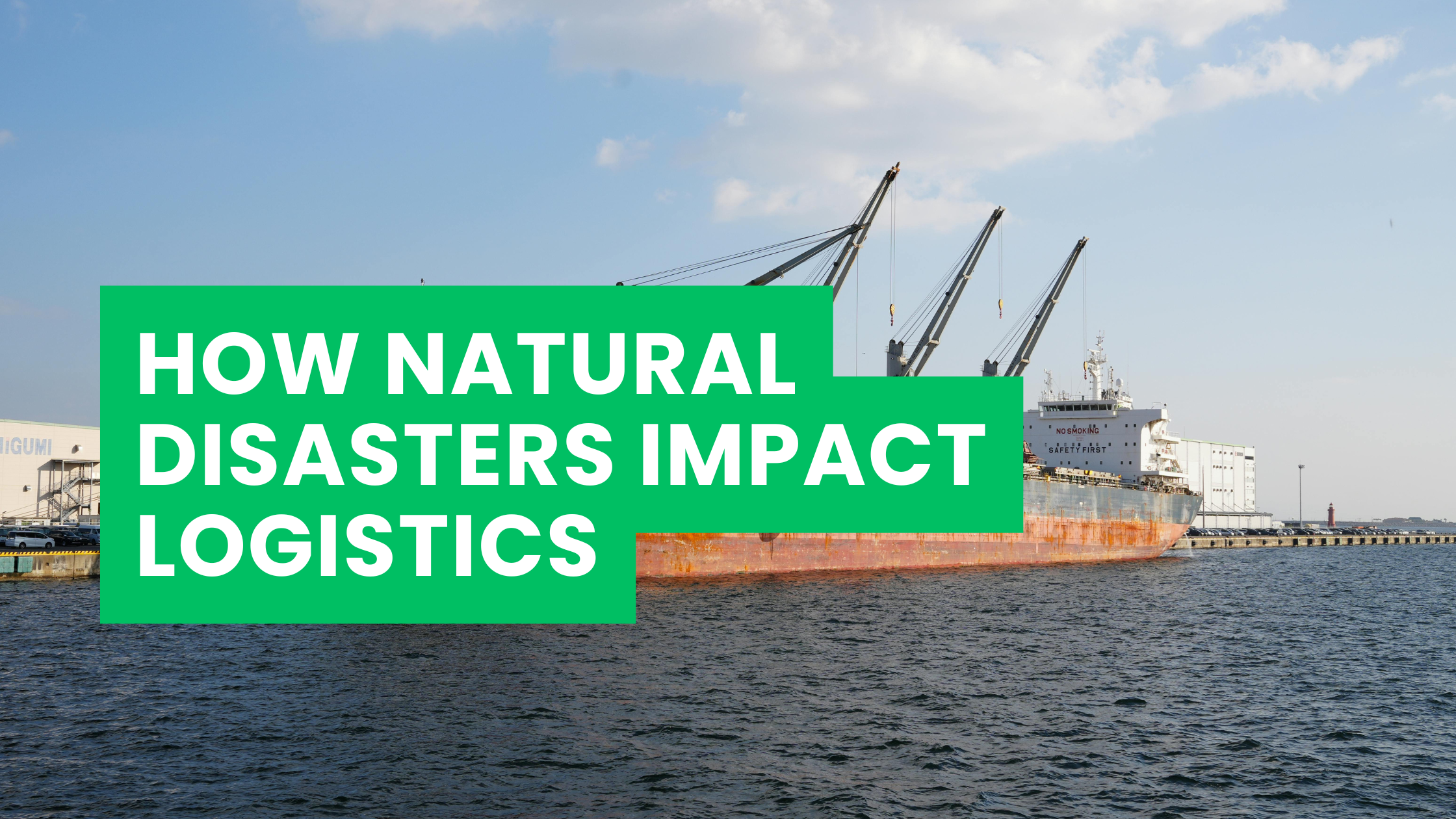
How Natural Disasters Impact Logistics
Global supply chains are designed for efficiency. They are built on precision timing, optimized routes, lean inventories, and interconnected networks that stretch across continents. But when natural disasters strike, that precision is tested. Earthquakes, hurricanes, floods, wildfires, typhoons, and extreme weather events can disrupt transportation, damage infrastructure, halt production, and create regulatory bottlenecks. For importers, exporters, supply chain managers, and procurement leaders, the consequences can be immediate and costly. Understanding how natural disasters impact logistics is no longer optional. It is a strategic necessity. At ASL Logistics, we work closely with global businesses to build resilient, adaptive supply chains that withstand disruption. This article explores how natural disasters affect logistics, what risks they create, and how companies can prepare and respond effectively. The Growing Frequency of Natural Disasters Natural disasters are increasing in both frequency and intensity. Climate shifts and environmental changes have amplified extreme weather patterns across many regions. Flood-prone areas are experiencing heavier rainfall. Coastal zones are seeing stronger storms. Wildfires are expanding into industrial and transportation corridors. For global logistics operations, this means disruption is not a rare exception. It is an operational risk that must be planned for. The challenge is not only the disaster itself. It is the cascading impact that follows across ports, airports, highways, warehouses, suppliers, and customs checkpoints. Direct Impacts on Transportation Networks Transportation is the backbone of global trade. When natural disasters hit, the first visible damage often occurs in transport infrastructure. 1. Port Closures and Congestion Hurricanes, typhoons, and tsunamis can shut down seaports for days or weeks. High winds, flooding, and damaged cranes make operations unsafe. Even after reopening, congestion builds quickly as vessels queue for berths. Delays at a single major port can disrupt entire regional supply chains. Containers may sit idle, demurrage charges accumulate, and delivery schedules collapse. 2. Airport Disruptions Air freight is critical for high-value, time-sensitive, and perishable goods. Severe storms, volcanic ash, heavy snowfall, or runway flooding can ground flights and suspend cargo handling. For businesses relying on just-in-time delivery, even a 24-hour disruption can halt production lines. 3. Road and Rail Damage Flooded highways, collapsed bridges, landslides, and damaged rail tracks restrict inland transport. Even if ports and airports are operational, cargo may not reach distribution centers or final destinations. In many regions, road transport is the last-mile connector. When it fails, supply chains stall. Manufacturing and Supplier Disruptions Logistics does not begin at the port. It starts at the source. Natural disasters frequently impact manufacturing hubs. Industrial zones are often located near coastal areas for port access, which increases vulnerability to hurricanes and flooding. When factories shut down: For global companies sourcing from a single geographic cluster, this can create significant exposure. A single disrupted supplier can affect dozens of downstream businesses across multiple countries. Warehouse and Inventory Risks Warehousing facilities are critical nodes in the supply chain. Natural disasters can: Flooding and fires are especially destructive. Even if the building remains structurally intact, water damage can render goods unusable. For temperature-sensitive cargo such as pharmaceuticals or food products, power loss can lead to complete inventory loss. Customs and Regulatory Delays In the aftermath of natural disasters, customs operations may slow down due to: Authorities may implement temporary restrictions, revised inspection procedures, or emergency import/export controls. This can create uncertainty for businesses attempting to move goods through affected regions. Experienced customs brokerage support becomes essential during such times to navigate changing regulations and minimize delays. Ripple Effects Across Global Supply Chains One of the most underestimated impacts of natural disasters is the ripple effect. Modern supply chains are interconnected. A disruption in one region can affect production schedules thousands of miles away. For example: These secondary effects often last longer than the initial disaster. Businesses that lack supply chain visibility may not realize the full extent of the disruption until orders are already delayed. Financial Consequences for Businesses The financial impact of natural disasters on logistics is substantial. Increased Transportation Costs When standard routes are unavailable, alternative routing becomes necessary. This may involve: All of these increase costs. Storage and Demurrage Charges Port congestion and delayed pickup can lead to: These unplanned expenses erode profit margins. Production Downtime For manufacturers operating on lean inventory models, supply disruption can halt production. Idle production lines translate directly into revenue loss. Impact on Time-Critical and Perishable Shipments Certain industries are particularly vulnerable. Pharmaceuticals and Healthcare Medical supplies often require strict temperature control and precise delivery schedules. Disruption can compromise product integrity and patient care. Food and Agriculture Perishable goods have limited shelf life. Transportation delays can result in spoilage and waste. Automotive and High-Tech Manufacturing These industries depend on synchronized component delivery. A single missing part can stop an entire assembly line. For these sectors, proactive logistics planning is essential. Insurance and Risk Allocation Challenges Natural disasters also complicate insurance claims and liability allocation. Questions often arise: Without clear contractual terms and proper cargo insurance coverage, businesses may face unexpected losses. Professional logistics partners assist clients in structuring shipments with appropriate coverage and clear documentation. The Role of Supply Chain Visibility Visibility is one of the most powerful tools in managing disaster-related disruptions. Real-time tracking, digital documentation, and centralized communication platforms allow businesses to: Without visibility, companies react too late. With visibility, they make informed decisions quickly. Strategies to Mitigate the Impact of Natural Disasters While natural disasters cannot be prevented, their impact can be reduced through strategic planning. 1. Diversified Sourcing Relying on a single geographic region for sourcing increases vulnerability. Multi-region sourcing reduces risk exposure. Businesses should evaluate supplier concentration and develop alternative sourcing strategies. 2. Flexible Transportation Planning Pre-approved alternative routes and carriers allow rapid response when primary routes are compromised. Having established relationships with multiple carriers and freight options enhances agility. 3. Strategic Inventory Buffers Lean inventory models maximize efficiency but reduce resilience. Maintaining strategic safety stock for critical components can prevent production shutdowns. 4. Risk Assessment and Scenario Planning Regular supply chain risk assessments identify: Scenario planning enables companies
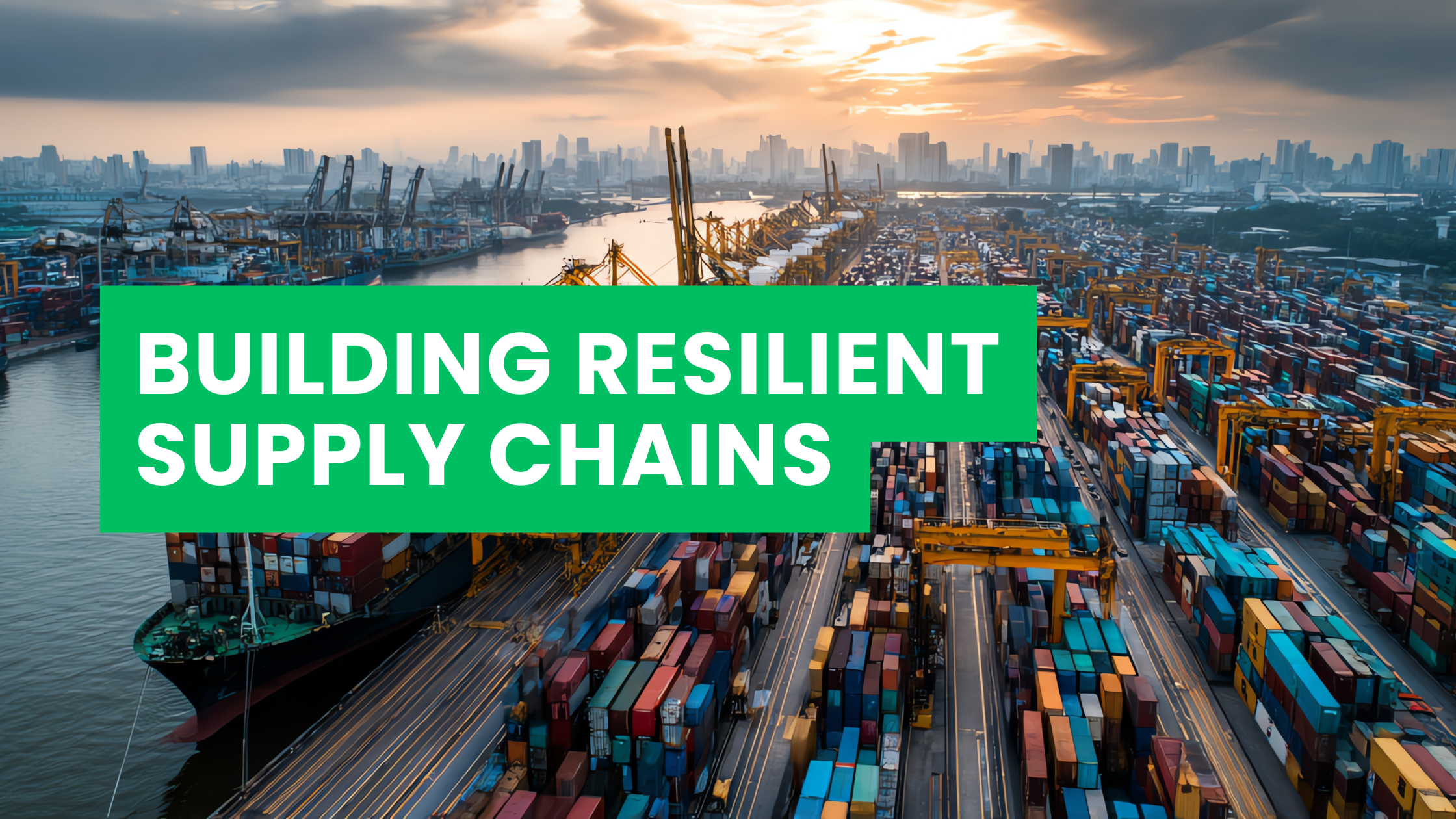
Building Resilient Supply Chains
In today’s interconnected economy, supply chains are no longer background operations. They are strategic assets that determine profitability, customer satisfaction, and competitive advantage. For importers, exporters, and global enterprises, resilience is not optional—it is essential. Over the past decade, global trade has faced unprecedented disruptions: port congestion, geopolitical tensions, regulatory shifts, volatile freight rates, extreme weather events, and sudden demand fluctuations. Companies that relied on rigid, single-source models struggled. Those with adaptable, diversified, and well-managed supply chains endured—and in many cases, outperformed competitors. At ASL Logistics, we work with businesses worldwide to design, manage, and optimize supply chains that withstand uncertainty while maintaining efficiency. This article explores what supply chain resilience truly means, why it matters more than ever, and how organizations can build stronger, future-ready logistics networks. What Is Supply Chain Resilience? Supply chain resilience is the ability of a logistics network to anticipate, prepare for, respond to, and recover from disruptions while maintaining continuity of operations. It goes beyond risk management. Resilience is about: Resilience ensures that when disruptions occur—and they will—your operations continue with minimal impact on cost, timelines, and customer commitments. Why Supply Chain Resilience Is Now a Business Imperative 1. Globalization Increases Exposure Modern supply chains span continents. Raw materials may originate in one country, manufacturing in another, and final distribution across multiple regions. While globalization creates opportunity, it also increases exposure to risk. A delay in one port can disrupt production thousands of miles away. 2. Customer Expectations Are Higher End customers expect faster deliveries, consistent inventory availability, and transparent tracking. Delays damage brand credibility. 3. Regulatory Complexity Is Growing Customs regulations, trade agreements, tariffs, and compliance requirements constantly evolve. Non-compliance can result in shipment holds, penalties, and reputational damage. 4. Freight Volatility Is Real Air and ocean freight markets fluctuate rapidly. Rate spikes, capacity shortages, and carrier schedule changes require agile logistics planning. Resilient supply chains account for these realities and adapt proactively rather than reactively. Core Pillars of a Resilient Supply Chain 1. End-to-End Visibility Visibility is the foundation of resilience. Organizations must know: Advanced tracking systems, digital documentation, and centralized logistics management allow decision-makers to act quickly when issues arise. At ASL Logistics, we provide integrated tracking and communication systems that give clients clarity across air, ocean, and ground shipments. 2. Diversified Supplier and Carrier Networks Relying on a single supplier, single port, or single carrier increases vulnerability. Resilient supply chains diversify: This approach ensures that if one lane is disrupted, alternative routes remain available. Our global freight forwarding network enables clients to shift between carriers, routes, and transport modes with minimal operational friction. 3. Multi-Modal Transportation Strategy A resilient supply chain is not locked into one transport mode. The ability to switch between modes based on urgency, cost pressures, and disruption risk provides flexibility. For example, when ocean congestion impacts timelines, time-sensitive goods can be moved via air freight. Strategic mode selection reduces downtime and preserves client commitments. 4. Strategic Inventory Planning Just-in-time models reduce holding costs but increase vulnerability during disruptions. Resilient businesses balance efficiency with strategic buffer inventory. This may include: ASL Logistics supports clients with warehousing and distribution strategies that align with their risk tolerance and demand forecasting models. 5. Proactive Risk Assessment and Scenario Planning Resilience requires anticipation. Organizations must regularly assess: Scenario planning allows companies to identify potential disruptions before they escalate. A professional logistics partner brings industry intelligence and global monitoring capabilities that internal teams may not have access to independently. The Role of Customs Compliance in Supply Chain Resilience Customs delays are one of the most underestimated risks in global trade. Incorrect documentation, misclassified HS codes, improper valuation, or non-compliance with import/export regulations can result in: Resilience requires robust customs brokerage expertise. ASL Logistics integrates customs compliance into every shipment plan. Our team ensures: By reducing border-related risks, we strengthen continuity in global supply chains. Technology as a Resilience Enabler Digital transformation has redefined logistics management. Modern resilient supply chains leverage: Technology reduces blind spots and enables faster decision-making. However, technology alone is not enough. It must be combined with experienced logistics professionals who interpret data and execute solutions effectively. At ASL Logistics, we combine digital tools with hands-on operational expertise to deliver actionable insights—not just data. Building Strong Logistics Partnerships Resilience is not built in isolation. A reliable global logistics partner provides: Working with a trusted freight forwarder ensures continuity even when markets tighten. ASL Logistics acts as an extension of your supply chain team. We focus on long-term partnerships, not transactional shipments. Regionalization and Nearshoring Trends To reduce dependency on distant suppliers, many companies are adopting regionalization strategies. This includes: Regionalization reduces transit time, lowers exposure to geopolitical risks, and increases agility. However, transitioning requires expertise in: ASL Logistics helps organizations evaluate and implement regional logistics strategies that align with operational goals. Sustainability and Resilience Go Hand in Hand Sustainability is no longer optional—it is integrated into supply chain planning. Environmentally responsible logistics practices contribute to resilience by: Green logistics initiatives such as route optimization, consolidation planning, and efficient packaging contribute to both operational efficiency and environmental responsibility. A sustainable supply chain is often more structured, optimized, and therefore more resilient. Financial Resilience in Logistics Planning Cost volatility is a major risk factor in global trade. Freight rates fluctuate due to: Financial resilience includes: ASL Logistics works with clients to create stable freight strategies that balance cost efficiency with flexibility. Case-Based Approach to Resilience (Without Naming Clients) Through years of global logistics operations, we have seen common resilience challenges: In each case, proactive planning, diversified routing, and expert coordination restored stability. The lesson is clear: resilience requires preparation, not improvisation. Steps to Build a Resilient Supply Chain For businesses seeking practical direction, here is a structured approach: Step 1: Conduct a Supply Chain Risk Audit Map suppliers, routes, carriers, and regulatory dependencies. Step 2: Identify Single Points of Failure Eliminate over-reliance on one supplier, port, or transport mode. Step 3: Strengthen Customs and Compliance Frameworks Ensure documentation accuracy and regulatory